
Plants
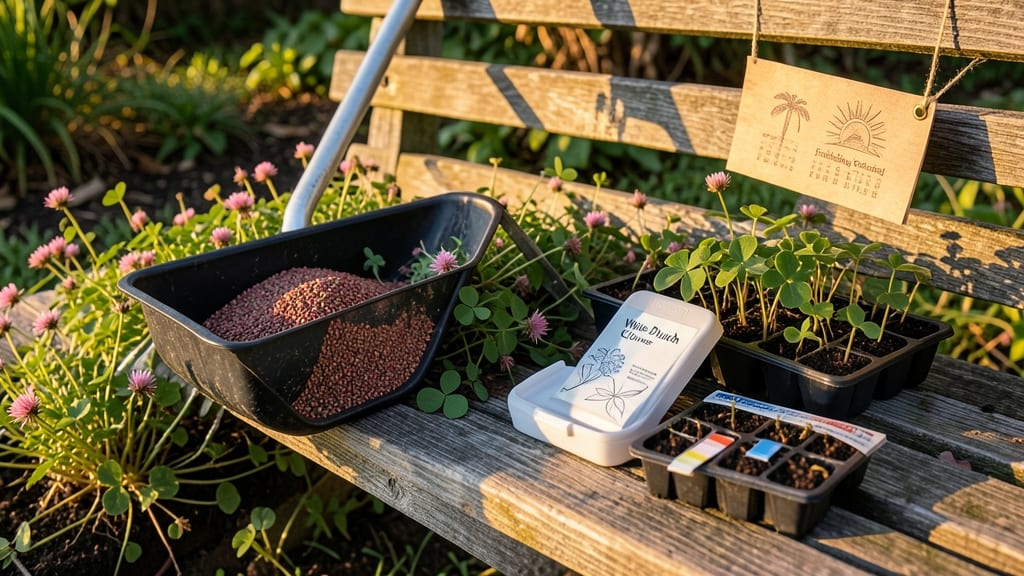
If you’re planting food plots in Florida to lure in deer and boost your hunting success, timing is the game-changer—and getting it wrong means wasted seeds and missed opportunities.
Florida’s frost-free climate lets you grow year-round, but warm-season and cool-season crops demand different approaches, especially with the state’s 8a-11 zones and microclimates.
Picture this: You spend hours preparing your plot, only to watch it bolt in summer heat or struggle in soggy fall soil. That’s why I’ve broken down the exact month-by-month schedule Florida hunters use to maximize forage, from clover in spring to sorghum in summer.
No more guesswork—just proven strategies to turn your land into a deer magnet.
We’ll cover soil prep, regional tweaks (Panhandle vs. South Florida), and post-planting care to keep your 🌱 food plots thriving. Whether you’re a beginner or a seasoned landowner, these tips will help you avoid common pitfalls and make every planting season count.
Ready to transform your property into a year-round deer destination? Let’s dive into the ideal planting windows and secrets to keeping your plots lush—no matter the season.
Florida food plot planting calendar: best months for each season
Florida’s frost-free climate means you can plant food plots almost year-round—but not all months are created equal. The best planting windows depend on whether you’re growing cool-season crops (like clover and brassicas) or warm-season crops (like sorghum and millet).
For maximum deer attraction, align your planting with peak forage availability and avoid Florida’s harshest heat or wet seasons.
In North Florida (Zones 8a-9a), where temperatures dip slightly in winter, cool-season plots thrive from September through March. Meanwhile, South Florida (Zones 10a-11) can grow warm-season crops like cowpeas or sunflowers year-round, but even here, timing matters to avoid stress from summer storms or drought.
Let’s break down the ideal planting months for each crop type and Florida region.
| Season | Best Planting Months | Top Crops | Florida Region | Key Notes |
|---|---|---|---|---|
| Cool Season | September–October | Clover, Rye, Winter Peas | North & Central FL | Plant 6–8 weeks before first frost (rare but possible in Zone 8a). |
| Cool Season | November–December | Brassicas (Turnips, Radishes), Winter Wheat | All Regions | Avoid planting too late—bolting risk increases in South FL. |
| Warm Season | March–April | Sorghum, Millet, Cowpeas | North & Central FL | Soil temps should be 65°F+ for germination. |
| Warm Season | May–June | Sunflowers, Peanuts, Soybeans | All Regions | Use shade cloth if planting in peak summer heat (June–July). |
| Year-Round | January–February | Cover Crops (Rye, Clover) | South FL Only | Prevents erosion and adds organic matter for warm-season plots. |
| Year-Round | July–August | Shade-Tolerant (Amaranth, Teff Grass) | All Regions | Plant after summer rains to avoid drought stress. |
For North Florida, focus on early fall plantings (September–October) for cool-season crops like lady’s finger clover or austrian winter peas. These thrive in 50–70°F soil temps and provide forage through winter, a critical time when natural food sources dwindle.
In South Florida, where frost is nearly nonexistent, you can plant warm-season crops like sorghum as early as February, but avoid peak summer (June–July) unless using shade-tolerant varieties.
One critical Florida-specific rule: Never plant during hurricane season (June–November). Heavy rains and flooding can drown seeds or wash them away. Instead, time your planting for dry periods within these months—like late May or early October—to give seeds a fighting chance.
I’ve seen food plots fail spectacularly after tropical storms, so always check the National Hurricane Center forecast before sowing.
Pro tip: If you’re hunting white-tailed deer, align your planting with their rutting season. Fall food plots (September–October) coincide with the pre-rut, while spring plots (March–April) attract bucks during the post-rut recovery phase.
For example, clover plots planted in early September will be lush by October, just as bucks are gearing up for breeding. Timing is everything!
Don’t overlook microclimates within Florida. A panhandle property in Zone 8a might experience light frosts, while Miami (Zone 11) can grow tropical forage like mango or guineagrass year-round. Always adjust your planting schedule based on your local USDA zone and historical weather patterns.
For instance, Apalachicola hunters plant 1–2 weeks earlier than those in Orlando to account for cooler nights.
Finally, soil temperature is your best friend when deciding when to plant. Use a soil thermometer to confirm 60°F+ for cool-season crops and 65°F+ for warm-season crops. In Florida, this often means waiting until late March for warm-season plots, even if the air feels warm earlier.
I’ve made this mistake—planting sorghum in February only to watch it rot in 55°F soil. Patience pays off!
Ready to dive deeper? The next section covers the 5 critical factors that can make or break your Florida food plot—from soil prep to deer pressure management. Trust me, skipping these will cost you more than just a failed plot! 🌱
5 Critical factors that determine your planting success in Florida
Florida’s humid subtropical climate makes food plots a year-round possibility—but success hinges on 5 key factors most hunters overlook. Ignore these, and your deer-attracting forage could fail before it even sprouts. Let’s break down what truly matters beyond just the calendar.
First, soil temperature dictates planting windows more than air temperature. Warm-season crops like sorghum need soil at 65°F+, while cool-season clover thrives when soil cools below 80°F.
Use a soil thermometer—don’t guess! Florida’s sandy soils heat up faster than northern states, so plant warm-season crops in March-April (not May) to avoid stress.
🌱
Master these 5 factors, and your Florida food plots will outperform 90% of hunters’ attempts. Start by testing your soil temperature this week—your deer’s next meal depends on it! For a Florida-specific planting