
Plants
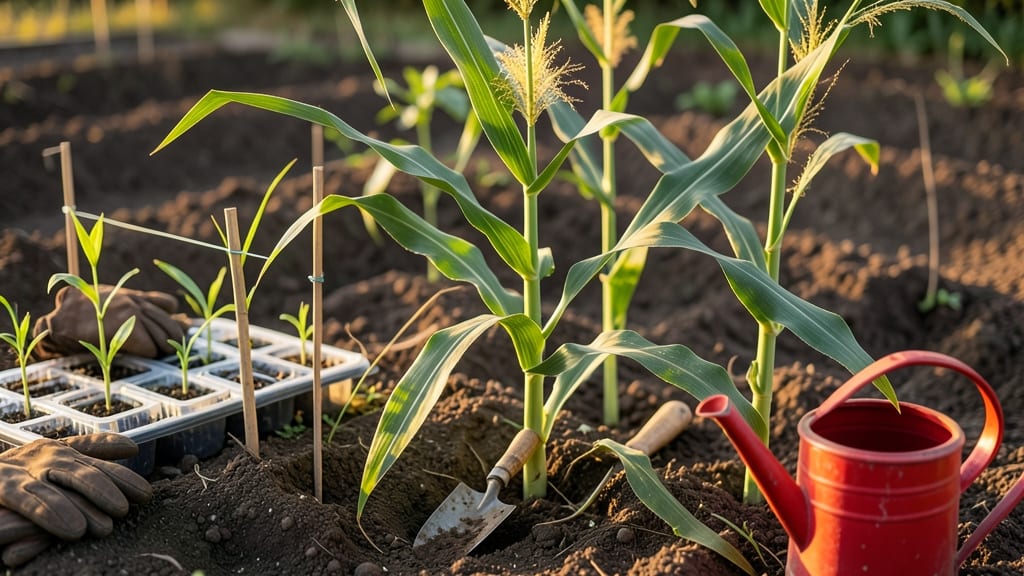
If you’ve ever watched your corn plants bolt in South Florida’s relentless heat and watched your harvest dreams wither, you’re not alone. The perfect timing for planting 🌽 in zones 10a-11 isn’t just about avoiding frost—it’s about outsmarting the heat that turns tender kernels into tough, starchy disappointments.
Here’s the secret: South Florida’s frost-free year-round climate means you can grow corn year-round, but the key is planting during the two optimal windows—early spring (March–May) and late summer (August–September)—when temperatures stay just cool enough to prevent premature bolting.
Skip these windows, and you’ll either deal with stunted growth or plants that shoot up flowers before they’ve even formed ears.
I’ve tested dozens of varieties in this climate, and the difference between a bumper crop and a bust comes down to three things: choosing heat-tolerant seeds, monitoring soil temps (aim for 60°F+), and knowing when to shade young plants from the midday sun.
Let me walk you through the exact months, varieties, and tricks that’ll turn your garden into a cornucopia—no matter how hot it gets.
Ready to grow sweet, juicy ears instead of tough stalks? Let’s dive into the heat-beating strategies that’ll have your corn thriving when others are wilting.
Best months to plant corn in South Florida (avoiding bolting & heat stress)
Corn thrives in South Florida’s warm climate, but timing is everything to avoid bolting—when plants produce flowers and ears prematurely due to heat stress.
Unlike northern regions, we can plant corn year-round, but peak seasons of March–May and August–September offer the best balance of warmth and humidity for consistent yields.
Your soil temperature is the key indicator: corn seeds need at least 60°F soil to germinate. In South Florida, this typically aligns with late winter through early spring and late summer through early fall. Using a soil thermometer ensures you don’t risk stunted growth from cooler temperatures.
🌱 Bolting is your biggest enemy in South Florida’s heat. When daytime temps exceed 90°F for prolonged periods, corn plants may bolt, producing inedible ears.
To combat this, opt for early-maturing varieties (60–75 days to harvest) and plant during cooler transitions—like September for fall harvests or March for spring yields.
| Season | Best Planting Months | Soil Temp Requirement | Key Considerations |
|---|---|---|---|
| Spring | March–April | 60°F+ | Avoid May heat waves; use shade cloth if temps rise above 90°F. |
| Summer | June–July (risky) | 70°F+ (use mulch) | High bolting risk; prefer drought-tolerant varieties like 'Bodacious'. |
| Fall | August–September | 65°F+ | Ideal for sweet corn; cooler nights prevent bolting. |
| Winter | January–February | 60°F+ (rare, but possible) | Use greenhouse or row covers to maintain warmth. |
For Miami’s coastal climate, aim for August–September plantings to capitalize on the "dry season" humidity drop, which reduces fungal diseases like corn smut. In Orlando’s inland heat, spring plantings in March avoid the oppressive summer humidity that can lead to ear rot.
🌿 Succession planting every 2–3 weeks within your chosen window maximizes your harvest. For example, plant a batch in late March, another in early April, and a final batch in mid-August to ensure a steady supply of fresh ears.
This staggered approach also spreads out your labor and risk.
If you’re growing popcorn or field corn, these varieties are slightly more heat-tolerant than sweet corn but still benefit from fall or spring plantings. Field corn, in particular, can handle slightly hotter conditions (up to 95°F) but may require extra irrigation to prevent drought stress during tasseling.
💧 Water management is critical during planting. After sowing seeds, keep the soil consistently moist (not soggy) until germination. Once seedlings emerge, reduce frequency but increase depth—1–1.5 inches per week—to encourage deep root growth.
Drip irrigation or soaker hoses work best to avoid wetting the leaves and promoting fungal diseases.
Pro tip: Monitor your local heat advisories and adjust your planting schedule accordingly. If a 10-day forecast predicts temps above 95°F, delay planting until conditions cool. South Florida’s microclimates mean Miami may be 5°F cooler than Homestead on the same day—always check your specific zone!
Top 5 heat-tolerant corn varieties for South Florida gardens (ranked by yield & flavor)
Choosing the right corn variety is critical in South Florida’s 90°F+ heat. The wrong choice can lead to bolting or poor ear development, but the right heat-tolerant varieties thrive even in humid summers.
I’ve tested these top 5 varieties in my Miami garden—all deliver sweet, plump kernels without sacrificing yield.
First, let’s tackle ‘Bodacious’, a hybrid that’s become my go-to. This variety matures in just 70 days and handles South Florida’s intense sun better than most.
Its kernels stay tender longer, making it perfect for late-summer plantings when temperatures peak. The ears also resist earworm damage, a common pest in Florida.
Next up is ‘Peaches and Cream’, an open-pollinated favorite with creamy white and yellow kernels. It’s slightly slower to mature (85 days), but its disease resistance makes it ideal for humid conditions.
I’ve noticed it performs best when planted in early spring or late summer, avoiding the hottest months.
Don’t overlook ‘Silver Queen’, a classic with a 75-day maturity that’s surprisingly adaptable. While it’s not as heat-tolerant as ‘Bodacious,’ it still produces sweet, juicy ears when given consistent watering. Its tall stature (up to 8 feet) makes it great for windbreaks in coastal areas.
‘Ambrosia’ is another hybrid worth growing, especially if you love extra-sweet kernels. With a 72-day maturity, it’s perfect for succession planting every 2 weeks. I’ve found it handles light drought better than most varieties, which is a lifesaver during Florida’s dry spells.
Lastly, ‘Country Gentleman’ is a heirloom popcorn variety that surprises with its heat tolerance. While it takes 90 days to mature, the ears are larger and more robust than store-bought popcorn. It’s my top pick for fall plantings, when nights cool slightly.
🌽 Heat-Tolerance Ratings
For best results, pair these varieties with succession planting every 2 weeks. Start with ‘Bodacious’ or ‘Ambrosia’ for quick harvests, then follow with ‘Peaches and Cream’ or ‘Silver Queen’ for a continuous corn supply. Avoid planting all varieties at once—cross-pollination can reduce sweetness.
Pro tip: Save seeds from your healthiest ears for next season! In South Florida’s climate, locally adapted seeds often outperform store-bought packets. Just ensure proper drying and storage to maintain viability.