
Plants
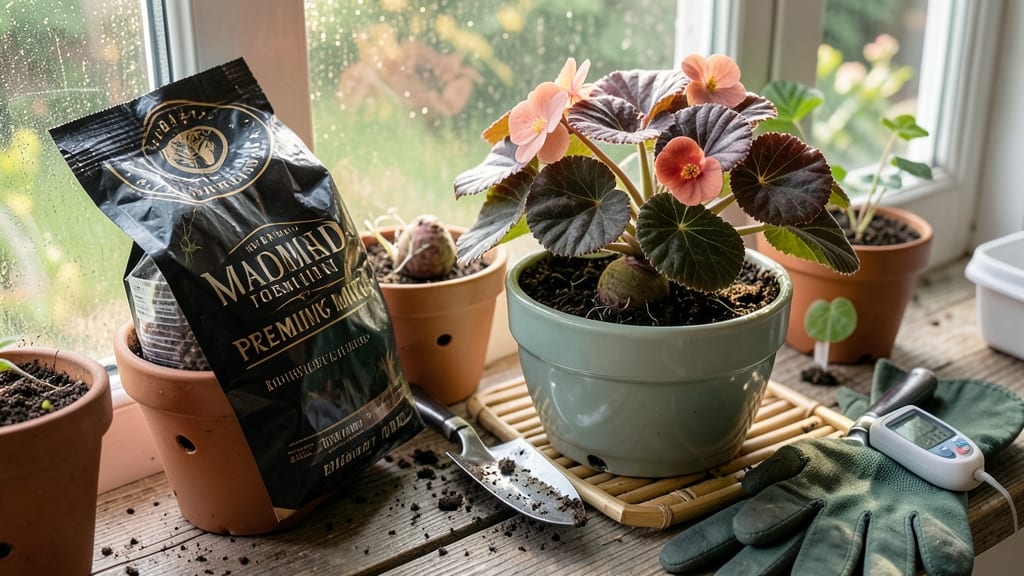
Timing is everything when it comes to planting begonias in pots—get it wrong, and your 🌸 begonias might struggle to bloom or even survive the season. Whether you're a beginner or a seasoned gardener, knowing the perfect window can mean the difference between vibrant, year-round color and disappointing results.
In USDA Zone 6a, the ideal time to plant begonias in pots is after the last frost, typically between April and May. This ensures your plants have warm soil and stable temperatures to thrive, especially for fibrous-rooted varieties that hate cold snaps.
But don’t wait too long—planting too late can stunt growth before summer’s heat sets in.
What makes begonias so special is their ability to bloom almost year-round when given the right care. By planting at the perfect time, you’ll set them up for lush, continuous flowers—but it’s not just about the calendar.
Container-specific factors like drainage, sunlight exposure, and even pot size play a role in keeping your begonias happy and healthy.
Ready to unlock the secret to stunning potted begonias? I’ll walk you through the exact steps, from choosing the right pot to adjusting care as seasons change. Let’s get those 🌸 begonias growing strong and beautiful!
Best months to plant begonias in pots by climate zone
Begonias love containers but struggle with temperature extremes. Planting too early risks frost damage, while late planting delays blooms. The ideal window depends on your USDA zone and begonia type—tuberous varieties need warmer soil than fibrous-rooted types.
Let’s break down the perfect timing for zones 7-11, including indoor/outdoor transitions.
For most gardeners in USDA zones 8-11, the sweet spot is April through early June. This gives begonias time to establish roots before summer heat peaks.
In cooler zones (7), wait until after your last frost date—typically late May—to avoid stunted growth. Always check your local frost-free dates for precision.
Tuberous begonias, like Begonia × tuberhybrida, are frost-sensitive and should never face below 50°F soil temps. Start these indoors 8-10 weeks before your last frost, then transplant after nighttime temps stay above 55°F.
Fibrous-rooted types (e.g., Begonia semperflorens) tolerate cooler soil and can go out 2 weeks earlier.
| Zone | Ideal Planting Window | Key Cues | Notes |
|---|---|---|---|
| 7 | Late May–Early June | Soil ≥55°F, night temps ≥50°F | Use black pots to warm soil faster |
| 8 | April–Mid-May | Last frost passed, soil ≥60°F | Hardier varieties like B. semperflorens thrive |
| 9-10 | March–April | Daytime temps ≥65°F consistently | Stagger plantings for extended blooms |
| 11 | Year-round (indoor/outdoor) | No frost risk; monitor humidity | Use shade cloth for afternoon sun |
Indoor begonia lovers can start seeds 6-8 weeks before your last frost, using grow lights for 12-14 hours daily. Transplant seedlings outdoors only after hardening off for 7-10 days—harden by placing pots outside for 2 hours daily, gradually increasing time. This prevents transplant shock from temperature swings.
For container-specific tips, choose pots with drainage holes and use a lightweight potting mix (e.g., 60% peat, 30% perlite, 10% compost). Tuberous begonias need larger pots (10"+ diameter) to accommodate their thick roots, while fibrous types thrive in 6-8" containers.
Always water thoroughly after planting to settle soil.
Watch for leaf yellowing or drooping foliage—signs of overwatering or poor drainage. In hot zones (9-11), mulch pots with orchid bark to retain moisture and protect roots. Adjust watering to every 2-3 days in summer, but never let pots sit in standing water.
Pro tip: Use slow-release fertilizer at planting time (e.g., osmocote) to give begonias a 3-month nutrient boost. Follow up with liquid feed every 4-6 weeks during active growth. Avoid high-nitrogen fertilizers—they promote leafy growth over blooms.
In cooler climates (zones 7-8), overwinter begonias indoors by reducing water and stopping fertilizer in fall. Move pots to a cool, bright spot (50-60°F) and resume care in late winter for a spring rebloom.
Timing isn’t just about months—it’s about weather cues. Begonias signal readiness with new leaf growth and bud formation. Plant when you see these signs, and your potted begonias will reward you with nonstop color from spring to frost.
How to extend begonia blooming season with proper pot planting timing
Staggered planting is the secret to year-round begonias in pots. By spacing out your plantings every 4-6 weeks from late spring to early fall, you create a continuous display of blooms. This works especially well for tuberous begonias, which store energy underground for future growth.
Start your first batch indoors 8-10 weeks before your last frost date—this gives them a head start. For USDA Zone 7+, that means beginning in mid-March. Move them outdoors only after nighttime temperatures stay above 55°F (13°C) consistently.
🌸
Start seeds indoors or transplant tuberous begonias for summer blooms. Use grow lights if natural light is limited.
Hardening off begins—acclimate plants to outdoor conditions over 7-10 days before permanent placement.
Plant new pots every 4 weeks for fall/winter blooms. Choose heat-tolerant varieties like Angel Wing begonias.
Bring tuberous begonias indoors before first frost. Reduce watering and stop fertilizing to prepare for dormancy.
Keep plants in bright, cool conditions (60-65°F). Water sparingly to prevent root rot during dormancy.
Light requirements shift with seasons—begonias need 4-6 hours of bright indirect light daily. In winter months, supplement with grow lights 12-14 hours/day to maintain blooming. A south-facing window works best, but avoid harsh afternoon sun that can scorch leaves.
Adjust your fertilization schedule seasonally: feed lightly in spring to encourage growth, then switch to a bloom-boosting formula (20-20-20) every 3-4 weeks during peak blooming seasons. In fall and winter, reduce feeding to once every 6-8 weeks or stop entirely for dormant tuberous types.
💧 With these timing strategies, your begonias will reward you with non-stop color from spring through winter—even in containers! The key is matching planting windows to your local climate while adapting care routines to seasonal changes.