
Plants
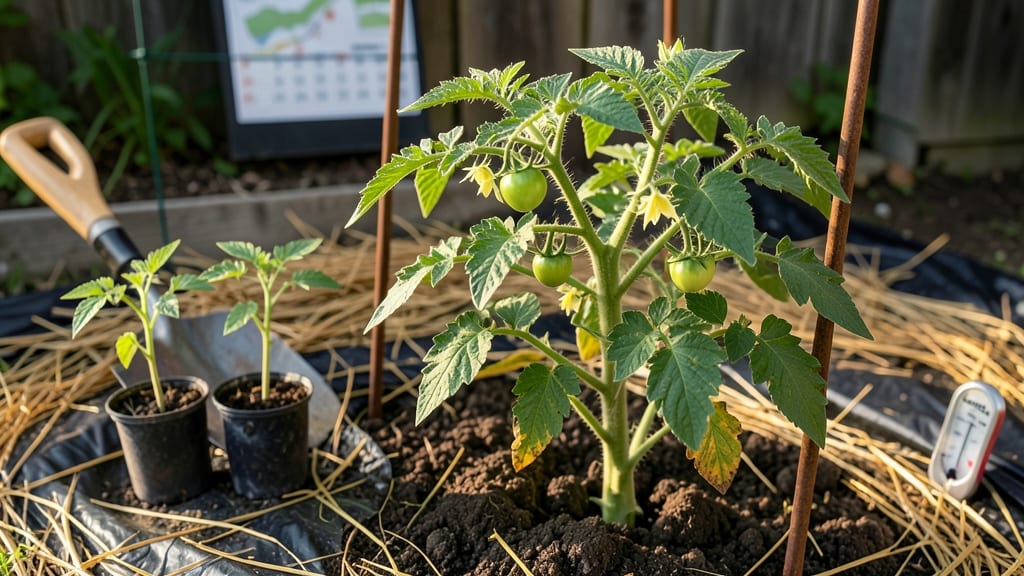
Ohio’s last safe planting dates for tomatoes (and how to extend the season)
Ohio’s average last frost date is around April 15, but that doesn’t mean you’re out of luck if you’re still holding tomato seedlings in early May. The real deadline depends on your USDA zone (typically 6a in Ohio), soil temperature, and the variety you’re planting.
With the right approach, you can push that window well past Memorial Day.
For most Ohio gardeners, the absolute last date to plant tomatoes—especially for determinate varieties—is around June 1. However, heat-loving indeterminate types like 'Solar Fire' can be planted as late as July 1 if you’re willing to use protective measures.
The key is soil warmth: tomatoes need at least 55°F (13°C) to germinate and thrive.
Don’t rely solely on the calendar. Check your local microclimate: urban areas may stay warmer longer, while rural spots near lakes or valleys can cool faster. A soil thermometer is your best friend—plant when temps consistently hit 60°F (16°C) during the day.
Here’s the hard truth: planting after July 15 in Ohio is risky unless you’re using season-extending tools. But with the right varieties and techniques, you can still harvest 50-70% of your usual yield even with late starts.
| Stage | Action | Ohio Deadline | Notes |
|---|---|---|---|
| Soil Prep | Test pH (6.2-6.8), add compost | March 15 | Warmer microclimates can start earlier |
| Seed Starting | Indoor seeds (6-8 weeks before last frost) | February 1 | Use grow lights for 14+ hours/day |
| Transplanting | Move seedlings outdoors (soil 55°F+) | June 1 (standard), July 1 (heat-tolerant) | Hardening off required for late starts |
| First Frost Risk | Protect plants from October 15 | N/A | Use row covers or cold frames |
| Harvest Window | Pick ripe tomatoes before frost | September-October | Green tomatoes can ripen indoors |
Ohio’s northern regions (like Toledo) have a shorter growing season than southern areas (like Cincinnati). If you’re in Zone 5b, aim for May 15 as your cutoff, while Zone 6b gardeners can push to June 10.
Always check your local cooperative extension service for updated frost data—last year’s average might not match this year’s weather patterns.
One game-changer for late planting is choosing fast-maturing varieties with 45-50 day harvest times. Examples include 'Early Girl' (52 days) or 'Stupice' (50 days), which can produce fruit even when planted in mid-June. Pair these with vertical trellising to maximize sunlight exposure and speed up ripening.
Urban gardeners often have an advantage due to heat islands—concrete and buildings retain warmth, delaying frost. If you’re in a city like Columbus or Cleveland, you might safely plant 10-14 days later than rural areas. Monitor your garden’s microclimate with a minimum-maximum thermometer to track nighttime lows.
Remember: soil temperature matters more than air temperature. Use a soil thermometer to confirm 60°F (16°C) before planting. If your soil is cooler, consider black plastic mulch to warm it up 5-10°F faster than bare earth. This simple trick can add 2-3 weeks to your planting window.
For those bold enough to try July planting, focus on indeterminate varieties like 'Heatmaster' or 'Solar Fire'. These heat-tolerant types can handle 90°F+ temperatures and continue producing until frost. Just be prepared to prune aggressively to prevent disease in Ohio’s humid summers.
5 Fast-growing tomato varieties that thrive when planted late in Ohio
Ohio’s short growing season can feel like a race against time, but some tomato varieties are built for late planting. These heat-tolerant and disease-resistant types mature quickly—often in 60-70 days—so they can produce fruit before frost hits.
My top picks for late-season Ohio gardens focus on speed, flavor, and resilience to hot summers and early autumn chills.
Don’t assume all tomatoes need months to ripen. Varieties like 'Solar Fire' and 'Heatmaster' are bred to thrive in high-heat conditions and still deliver sweet, juicy fruit.
These aren’t just fast—they’re reliable for Ohio’s unpredictable weather. I’ve grown them in Zone 6a as late as mid-July and still harvested ripe tomatoes by October.
Here’s the catch: late planting means prioritizing determinate varieties (bush types) over indeterminate (vining) ones. Determinates set fruit all at once, ripening faster, while indeterminates focus on foliage growth when days shorten. For Ohio’s 165-day frost-free window, I stick to determinate or semi-determinate types for late starts.
Pros & Cons of Late-Season Tomato Varieties
✅ Heat-tolerant to 100°F+
✅ 60-day maturity
✅ Determinate (compact)
❌ Small fruit (1-2 oz)
❌ Susceptible to blossom end rot
✅ 70-day maturity
✅ Large fruit (8+ oz)
✅ Disease-resistant
❌ Needs staking (semi-determinate)
❌ Slower than Solar Fire
✅ 75-day maturity
✅ Crack-resistant
✅ Indeterminate option for late starts
❌ Needs trellis (takes space)
❌ Slower to fruit
✅ 80-day maturity
✅ Disease-resistant (blight, virus)
✅ Large fruit (12+ oz)
❌ Taller (6+ ft)
❌ Needs support
✅ 55-day maturity (fastest!
✅ Cold-tolerant (can handle light frost)
✅ Determinate (bushy)
❌ Small fruit (1 oz)
❌ Prolific but tiny
For urban gardeners with limited space, 'Solar Fire' or 'Stupice' are my go-tos—they’re compact and fast. If you have room for a trellis, 'Celebrity' or 'Mountain Merit' deliver bigger fruit and better disease resistance.
Pro tip: Pair these with mycorrhizal fungi at planting to boost root health in late-season soil.
One mistake I see often? Planting indeterminate varieties like 'Better Boy' late in the season. They’ll focus on