
Plants
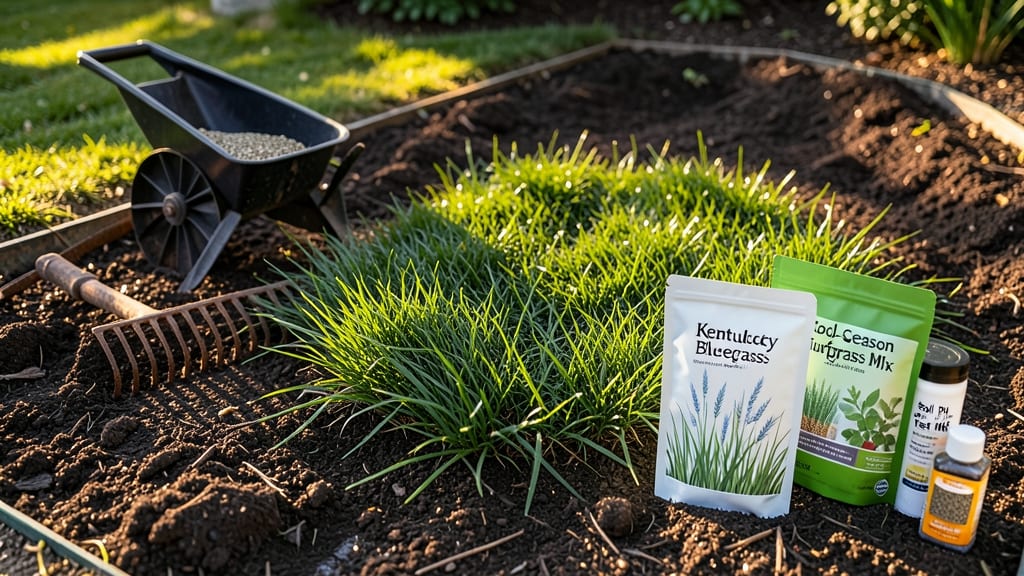
Planting grass seed in Ohio at the wrong time can turn your dreamy green lawn into a patchy, slow-growing disappointment. The key is understanding when—because Ohio’s climate swings wildly between frost bites and scorching summers, making timing everything for strong root establishment.
While early fall (September to October) is the gold standard for most of the state, your exact window depends on your microclimate. Northern Ohio’s cooler temperatures might push you toward late spring (April to May), while southern regions could extend planting into early fall.
The goal? Soil temps between 55-65°F—too cold, and germination stalls; too hot, and seeds dry out.
Don’t just follow a calendar—watch for signs like soil moisture and weed activity. Urban areas with pavement heat or rural spots with wind exposure may need adjustments.
I’ll walk you through the exact steps to time it right, from soil prep to post-planting care, so your grass takes hold fast and stays lush.
Ready to skip the guesswork? Let’s dive into Ohio-specific dates, soil tests, and microclimate tweaks that’ll have your lawn thriving in no time.
Ohio’s best grass seed planting zones by month: northern vs. southern regions
Ohio’s USDA zones 5-7 create a 2-3 week difference in ideal planting times between northern and southern regions. In northern Ohio (Cleveland, Toledo), aim for late April to early May or September 15-October 15—avoiding the last frost (typically April 15) and first frost (around October 15).
Southern Ohio (Columbus, Cincinnati) can plant 2 weeks earlier, with March 20-April 15 and September 1-October 1 being safer windows.
Cool-season grasses like Kentucky bluegrass and tall fescue dominate Ohio lawns, thriving when soil temps hit 55-65°F. Warm-season grasses (Bermuda, zoysia) are rare but prefer 65-75°F—plant these late May-June in southern Ohio only. Always check 7-day forecasts for rain-free planting days.
🌱
| Region | USDA Zone | Best Spring Planting | Best Fall Planting | Soil Temp Goal |
|---|---|---|---|---|
| Northern Ohio | 5-6b | Late April–Early May | Sept 15–Oct 15 | 55–65°F |
| Southern Ohio | 6-7a | March 20–April 15 | Sept 1–Oct 1 | 55–65°F |
| Appalachian Foothills | 6a | April 1–April 15 | Sept 10–Oct 10 | 50–60°F (cooler) |
⚠️ Note: Adjust 1 week earlier if your area had an early spring (e.g., no snow by March 1).
For early spring planting, test soil moisture—it should be damp but not soggy.
If your area gets late frosts (common in northern Ohio), wait until nighttime temps stay above 40°F consistently. Fall planting is often more successful because cooler temps reduce weed competition and 6-8 weeks of growth happen before winter.
Use a soil thermometer ($10 at garden centers) to confirm temps. If soil is below 50°F, delay planting—seeds won’t germinate. Kentucky bluegrass germinates in 7-14 days at ideal temps, while tall fescue takes 14-21 days. Warm-season grasses like Bermuda germinate in 10-14 days but need warmth to thrive.
🌿
If you’re in transition zones (e.g., Lima, Ohio bordering Indiana), blend northern and southern timelines. For example, plant April 1-15 in spring and Sept 10-Oct 5 in fall. Urban areas like Columbus may experience heat islands, making late spring planting riskier—opt for fall instead.
Always call your local Cooperative Extension office for hyper-local advice.
Pro tip: Seed variety matters. Tall fescue handles drought and shade better than Kentucky bluegrass, so choose based on your lawn’s sun exposure. Shade-tolerant blends (e.g., fine fescue) can be planted 1-2 weeks later in spring since they germinate slower in cooler conditions.
📅
Microclimate adjustments: when to plant in urban vs. rural Ohio
Ohio’s diverse landscapes mean your neighbor’s perfect lawn timing might not work for you. Urban areas like Columbus or Cincinnati experience heat islands—concrete and pavement trap heat, delaying spring planting by 1-2 weeks compared to rural zones.
Meanwhile, Appalachian foothills stay cooler longer, extending your window into late April or early May without frost risk.
Lake effects near Lake Erie (Cleveland, Toledo) create microclimates where summers stay 5-10°F cooler than inland areas. This lets you plant warm-season grasses like Bermuda up to 2 weeks later than southern Ohio’s USDA Zone 7a. Rural areas with well-draining soil and less pavement heat often see earlier germination—sometimes as early as mid-March in southern regions.
🌱 Numbered Highlights: Urban vs. Rural Planting Adjustments
- 1. Urban Areas: Plant cool-season grasses 2 weeks later (late April) due to pavement heat delaying soil warmth.
- 2. Rural Zones: Start cool-season seed as early as mid-March in southern Ohio if soil temps hit 55°F+.
- 3. Lake Effects: Near Lake Erie, shift warm-season planting to late May to avoid late frosts.
- 4. Appalachian Foothills: Extend spring window to early June for cool-season grasses due to cooler microclimates.
- 5. Wind Exposure: Rural areas with high winds (e.g., northeast Ohio) need extra seed (10-20% more) to compensate for seed loss.
In cities, sidewalks and driveways create hot spots where grass struggles to establish. Test soil temps with a soil thermometer—aim for 55-65°F for cool-season grasses.
Rural lawns benefit from looser, well-aerated soil, so till or rake 2-3 days before planting to improve seed-to-soil contact. Windbreaks (like hedges or fences) can help rural areas retain moisture during dry springs.
Urban gardeners should also watch for sewer overflow alerts—heavy rains can wash away newly planted seed. Rural areas might face soil compaction from heavy equipment; rent a core aerator ($50/day) to break up hardpan layers before seeding. Both settings require consistent watering—urban lawns need daily morning watering for the first 2 weeks, while rural areas can stretch to every other day if rainfall exceeds 1 inch/week.
Pro tip: Use mulch mats in urban areas to protect seed from bird damage and retain moisture. Rural lawns with sandy soil (common in northwest Ohio) should mix compost into the top 2 inches of soil to improve water retention. Adjust your seed blend too—urban areas thrive with tall fescue mixes (drought-tolerant), while rural lawns often handle Kentucky bluegrass better due to better moisture retention.
Final check: Monitor your local NOAA forecast for 10-day outlooks—if nighttime temps dip below 40°F after planting, cover seed with straw mulch to prevent frost damage. Rural areas with late frosts (like northeast Ohio) should wait until May 1 for warm-season grasses to avoid spring freezes 🌱💧.