
Plants
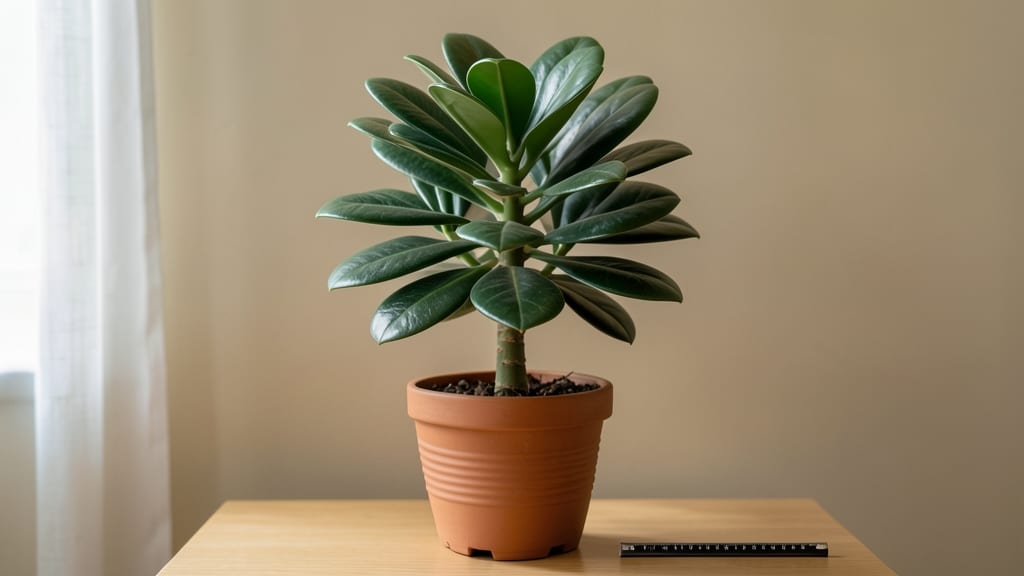
If you're wondering how tall does a ZZ plant grow, the answer might surprise you—this hardy houseplant can reach heights of 2 to 3 feet indoors with proper care, making it a perfect fit for shelves, desks, or even as a statement piece in small spaces.
What sets the ZZ Plant 🌿 apart is its adaptability—it thrives in low light, needs minimal water, and grows at a steady, predictable pace. Unlike fast-growing plants that shoot up overnight, this one matures gradually, giving you time to adjust its size to your space.
Whether you're a beginner or a seasoned plant parent, understanding its growth habits is the key to keeping it happy and compact.
But here’s the thing: its height isn’t set in stone. With the right care—like pruning leggy stems or repotting when it outgrows its container—you can influence how bushy or tall it becomes.
The goal? A full, healthy plant that fits your home without taking over. Let’s break down exactly how to manage its growth so it stays the perfect size for your space.
From debunking myths about its growth speed to sharing pro tips for controlling its height, you’ll learn everything you need to keep your ZZ Plant thriving—whether you want it to stay small or let it stretch its legs a little. Ready to master the art of ZZ Plant care?

ZZ plant height limits: how tall can it grow indoors?
The ZZ plant (Zamioculcas zamiifolia) is a slow-growing powerhouse that typically reaches 2-3 feet tall indoors under ideal conditions. However, its height can vary dramatically based on care, pot size, and light exposure.
In rare cases, with perfect conditions, a mature ZZ plant can stretch up to 4 feet tall, though this is more common in commercial growers' collections than in home settings.
Most houseplant owners find their ZZ plants max out around 2-3 feet after 3-5 years. This makes them perfect for desks, shelves, and even as statement plants in small spaces. The key to controlling height lies in understanding its growth habits and environmental needs—something we’ll explore in detail below.
🌱
Light exposure is the biggest factor influencing your ZZ plant’s height. In low-light conditions, these plants grow slower but stay compact, often reaching only 1-2 feet tall.
Conversely, placing your ZZ plant in bright, indirect light can encourage faster vertical growth, pushing it toward the 3-foot mark more quickly. Just be cautious—direct sunlight can scorch those glossy leaves.
Pot size also plays a crucial role. A root-bound ZZ plant in a cramped container will focus energy on leaf production rather than height, staying shorter and bushier. However, if you repot into a large container (too much space), the plant may grow taller as it searches for stability.
Aim for a pot that’s only 1-2 inches larger in diameter than its current root ball to maintain a balanced height.
Another surprising factor is temperature fluctuations. ZZ plants thrive in average household temperatures (65-75°F) but can become leggy if exposed to drafts or sudden temperature drops.
Keep yours away from windows during winter or near air conditioning vents to prevent stretched, weak growth that can make the plant appear taller than necessary.
🪴
If you’re worried about your ZZ plant outgrowing its space, don’t fret—there are simple ways to control its height. Pruning leggy stems in early spring encourages bushier growth, while rotating the pot every few weeks ensures even light exposure and prevents lopsided height growth.
We’ll dive deeper into these height-management techniques in the next section, so stay tuned!
Remember, the average ZZ plant height is a manageable 2-3 feet, making it an ideal choice for apartments, offices, and small gardens. With the right care, you can keep it thriving without sacrificing your floor space.
How to control ZZ plant height: pruning & care tips
Managing your ZZ plant’s height is easier than you think—especially since it grows slowly. With the right pruning techniques and care adjustments, you can keep it compact or encourage bushier growth instead of letting it stretch toward the ceiling.
Start by understanding when and how to trim its leggy stems to maintain a balanced shape.
One of the simplest ways to control height is through regular pruning. When your ZZ plant grows taller than you’d like, simply snip off the top 2-3 inches of the stem just above a leaf node.
This encourages new growth from the sides, creating a fuller, more bushy appearance while keeping the overall height in check. Use clean, sharp pruning shears to avoid damaging the plant.
- Step 1: Wait until your ZZ plant has at least 3-4 leaves per stem before pruning.
- Step 2: Use sterilized shears to cut 1 inch above a leaf node on leggy stems.
- Step 3: Remove yellow or brown leaves immediately to redirect energy to healthy growth.
- Step 4: Repot root-bound plants every 2-3 years to prevent stunted growth.
- Step 5: Place pruned cuttings in water or soil to propagate new plants.
Repotting is another critical factor in controlling height. ZZ plants thrive in slightly root-bound conditions, but if they’ve outgrown their pot, their growth can become unpredictable and leggy. Choose a pot that’s only 1-2 inches wider than the current one to encourage slower, more controlled growth.
Well-draining cactus or succulent mix helps prevent overwatering, which can stress the plant and lead to uneven height development.
Light exposure plays a surprising role in height control. While ZZ plants tolerate low light conditions, too little light can cause them to stretch toward any available source, resulting in tall, weak stems.
Position your plant near a north-facing window for bright, indirect light—this promotes steady, balanced growth. If your space lacks natural light, consider using a grow light for 4-6 hours daily to maintain a compact shape.
Fertilizing also impacts height. Over-fertilizing can lead to rapid, top-heavy growth, while under-fertilizing may stunt development. Use a balanced fertilizer (10-10-10) sparingly—just once in early spring—to support healthy growth without encouraging excessive height.
Always water your plant before fertilizing to avoid root burn, which can weaken the plant’s structure.
Finally, rotate your ZZ plant every 4-6 weeks to ensure even light exposure on all sides. This prevents one side from growing taller than the others, keeping the plant symmetrical and manageable.
With these simple adjustments, you’ll keep your ZZ plant at your desired height while enjoying its lush, low-maintenance beauty for years to come. 🪴