Plants
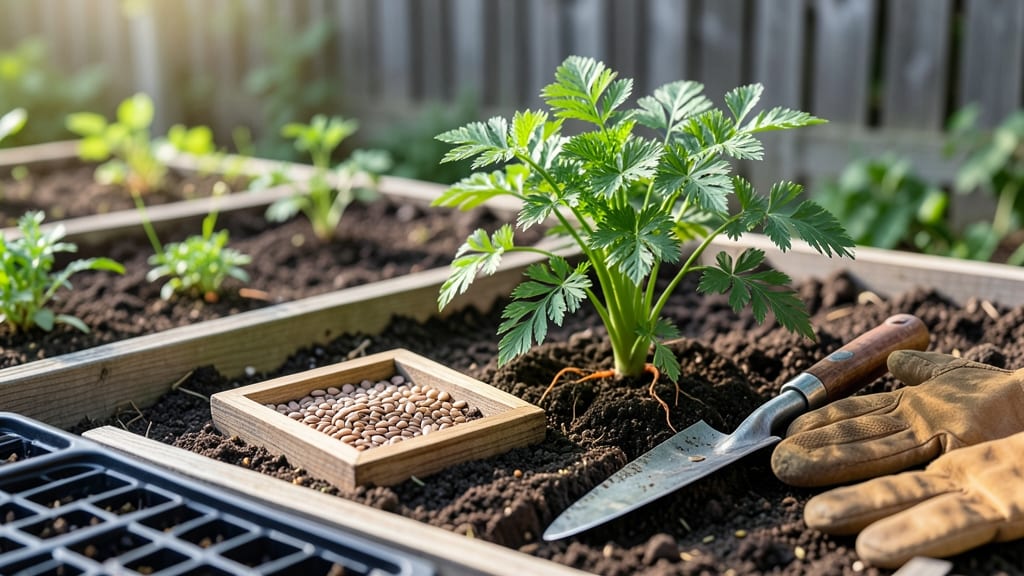
Planting carrots in the fall isn’t just about timing—it’s about unlocking sweeter, crunchier roots that outshine spring harvests. The key? Getting them in the ground 8-12 weeks before your first frost, when soil temps are just right.
Skip this window, and you risk stunted growth or frost damage—no one wants that after all your hard work!
For most gardeners in USDA Zone 6a (like me!), that means starting seeds in early August or late July. But here’s the trick: soil temperature matters more than the calendar.
Too warm, and your 🥕 sprouts bolt; too cold, and they’ll struggle to establish roots. I’ll show you exactly how to read your soil’s signals so you never guess again.
Fall carrots also have a secret weapon—fewer pests and natural sweetness from cooler nights. But planting too late? You’ll end up with bitter, woody roots. Let’s break down the exact steps to nail your planting window, from soil prep to variety choices, so you’re harvesting crisp, flavorful carrots by October.
Ready to grow carrots that taste like summer in fall? I’ll walk you through the 3 must-know tricks to avoid common mistakes and guarantee a bountiful harvest—no frost risk, no stress. Let’s get started!
Fall carrot planting timeline by soil temperature (not calendar dates)
Planting carrots in the fall isn’t about memorizing dates—it’s about reading your soil temperature and local frost risk. Most gardeners fail because they rely on calendar months instead of actual ground conditions.
Carrots need 60-80 days to mature, but if the soil stays too warm, they’ll bolt or split. If it cools too fast, they’ll stay stunted. The key? Aim for 55-65°F soil at planting time.
Your first frost date is your starting point, but don’t subtract blindly. Check your USDA hardiness zone—Zone 3 gardens need a 12-week window before frost, while Zone 10 may only need 8 weeks.
For example, in Zone 6a, plant between mid-August and early September to harvest before the November 15 frost. Use the Almanac’s frost calculator for your exact location.
Here’s the golden rule: Plant when your soil is warm enough for seeds to sprout but cool enough to slow bolting. A soil thermometer (just $10) is your best tool.
If the soil is above 70°F, wait a week—carrots hate heat stress. If it’s below 50°F, they’ll rot in cold, damp soil. The sweet spot is 55-65°F at planting.
| USDA Zone | Soil Temp at Planting | Planting Window | Days to Maturity | Harvest Window |
|---|---|---|---|---|
| 3-4 | 50-55°F | Late July–Early August | 80-90 days | October–Early November |
| 5-6 | 55-60°F | Mid-August–Mid-September | 70-80 days | Late September–October |
| 7-8 | 60-65°F | Late August–Early October | 65-75 days | October–November |
| 9-10 | 65-70°F | September–October | 60-70 days | November–December |
*Adjust for early/late frosts—check your local microclimate (e.g., valleys freeze faster).
Don’t assume your last frost date is the same as your first frost date. Some years, a sudden cold snap can hit weeks early. I’ve seen Zone 7 gardens lose entire fall crops because they planted in late September, only for a 28°F freeze in mid-October.
To protect your crop, use row covers or plant cold-hardy varieties like ‘Chantenay’ or ‘Purple Haze’ if you’re pushing the timeline.
Pro tip: Succession plant every 2 weeks from August to early September. This spreads out your harvest and reduces the risk of losing everything to a single frost.
For example, plant half your seeds in late August (for a late September harvest) and the rest in early September (for an October harvest). This way, you’ll have carrots ready to pull before the ground freezes solid.
If you’re in a warmer climate (Zones 9-10), you can plant right up until October, but choose short-day varieties like ‘Paris Market’ (they mature in 55 days).
In colder zones (Zones 3-5), stick to early August planting and prioritize fast-maturing varieties like ‘Early Nantes’ (60 days). Always check the seed packet for days to maturity—it’s your non-negotiable deadline.
One common mistake is planting too late and hoping for a miracle. I’ve seen
Fall carrot planting timeline by soil temperature (not calendar dates)
Planting carrots in the fall isn’t about memorizing dates—it’s about reading your soil temperature. Carrots thrive when soil stays between 45°F and 85°F, but cooler fall temps actually sweeten the roots.
Aim to plant 8-12 weeks before your first frost, but adjust based on your USDA zone and soil conditions.
For example, in Zone 5, I start seeds indoors in early August (soil ~60°F) and transplant seedlings by mid-September when soil cools to 55°F-60°F.
In Zone 9, I might plant directly in October when daytime temps drop to 70°F-75°F. The key? Soil thermometers are your best friend.
Here’s the golden rule: Carrots need 60-80 days to mature before frost hits. If your first frost is November 15, count backward—plant by August 15 for early varieties or September 15 for slower growers. But don’t rely on frost dates alone; soil temperature dictates germination and growth speed.
| USDA Zone | Ideal Planting Window | Soil Temp for Germination | Days to Maturity | First Frost Adjustment |
|---|---|---|---|---|
| 3-4 | Mid-July to early August | 50°F–60°F | 60–70 days | Plant 10–12 weeks before frost |
| 5-6 | Late July to mid-September | 55°F–65°F | 70–80 days | Plant 8–10 weeks before frost |
| 7-8 | August to early October | 60°F–70°F | 75–85 days | Plant 6–8 weeks before frost |
| 9-10 | September to November | 65°F–75°F | 80–90 days | Plant 4–6 weeks before frost |
Microclimates matter too! A south-facing bed warms faster than a north side, so I often plant there 2 weeks earlier. Raised beds also heat up quicker—perfect for cooler zones. If you’re unsure, test your soil with a thermometer for 3 consecutive days to confirm consistency.
One common mistake? Planting too late and ending up with small, woody roots. To avoid this, I always succession plant: Start with fast varieties (like 'Paris Market') in early fall, then add slower ones (like 'Danvers') 3 weeks later. This stretches your harvest through frost.
Remember: Cooler soil = sweeter carrots. The 10–14 days before frost are prime for harvesting—roots develop natural sugars as temps drop. Just don’t let them freeze! Mulch with straw or leaves to insulate soil and protect tender greens.