
Plants
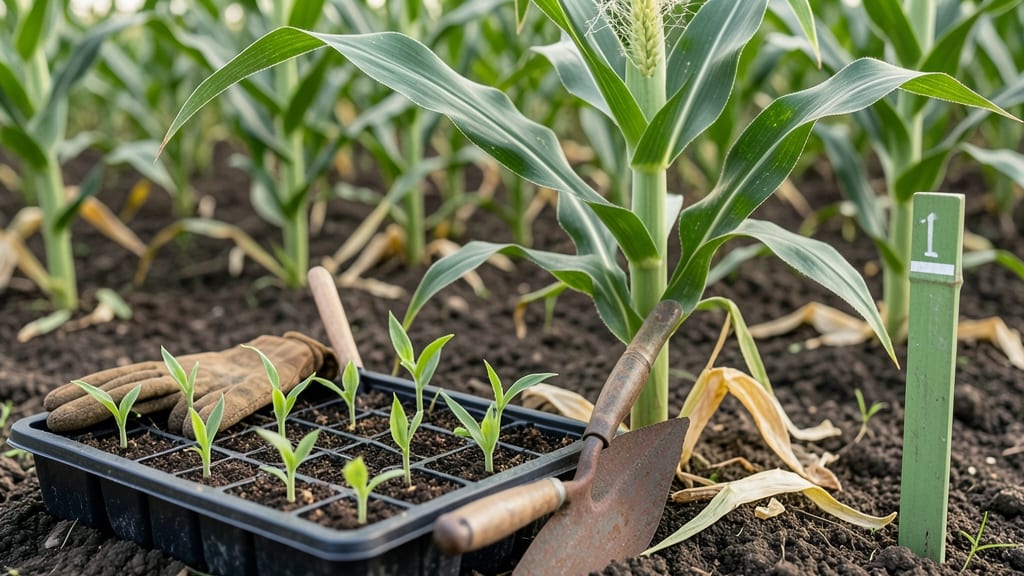
Timing your 🌽 corn planting in North Carolina can make or break your harvest—get it wrong, and you might end up with stunted plants or wasted seeds. The exact window between last frost and summer heat is everything, especially in zones 6b to 8a where conditions shift quickly.
Most gardeners in the Tar Heel State wait until mid-April to late June, but the real secret lies in soil temperature and regional microclimates. Coastal areas can plant earlier than the Piedmont, while mountain regions play it safer with later starts.
I’ll break down the precise weeks to aim for, so you avoid common mistakes like planting too soon and risking frost damage.
You’ll also discover how to adjust for unexpected weather, use row covers for earlier starts, and even calculate your personal planting timeline based on local frost data.
Whether you’re growing sweet corn for dinner or field corn for livestock, these tips will help you maximize your yield from late July through October.
Let’s dive into the science behind successful corn planting—so you can enjoy that fresh, homegrown 🌽 corn you’ve been dreaming of all season long.
North Carolina’s last frost dates and ideal corn planting weeks
North Carolina’s diverse climate—from the Coastal Plain to the Mountains—means your corn planting timeline should align with your specific USDA zone (6b-8a).
The last spring frost typically arrives between mid-March in southern NC and late April in the mountains, creating a 6-week window for planting sweet corn, field corn, and popcorn varieties.
For maximum yield, aim to plant 2-4 weeks after your last frost date when soil temperatures reach 60°F (15°C). This ensures strong germination and avoids frost damage to tender seedlings.
In Zone 7a (Piedmont), this often means mid-April to early May, while Zone 8a (Coastal Plain) can start as early as late March.
Here’s how regional variations impact your planting schedule:
| Region | USDA Zone | Last Frost (Avg.) | Ideal Planting Window | Harvest Window |
|---|---|---|---|---|
| Coastal Plain | 8a | Mid-March | Late March–April | Late June–October |
| Piedmont | 7a-7b | Early April | Mid-April–May | Late July–September |
| Mountains | 6b-7a | Late April | May–early June | August–October |
🌽 Note: Adjust for early/late springs using local weather forecasts.
If you’re growing early-maturing varieties (e.g., 'Early Sunglow' or 'Ambrosia'), you can push planting to late June for a fall harvest. However, avoid planting after July 15, as ears may not mature before first frost (typically November 1).
For southern NC gardeners, consider successive plantings every 2 weeks to extend your harvest season. In northern NC, focus on one main planting in May for a reliable crop. Always check the NC State Extension for localized frost alerts before planting.
Pro tip: Use a soil thermometer to confirm 60°F+ soil temps—corn seeds won’t germinate in cooler soils, even if air temps are warm. Black plastic mulch can warm soil faster and help you plant 1-2 weeks earlier in cooler microclimates.
For popcorn varieties like 'Glass Gem', which take 90-110 days to mature, start seeds indoors 4-6 weeks before your last frost date. Transplant seedlings after frost risk passes to avoid stunting.
Remember: Corn thrives on warmth, so don’t rush planting. Waiting for consistent 70°F+ days ensures strong stalks and heavier ears. Patience here pays off in harvest time! 🌱
How to calculate your personal planting timeline for maximum yield
North Carolina’s variable climate means your exact corn planting window depends on more than just the calendar. I’ve learned the hard way that blindly following average frost dates can lead to frost-nipped seedlings or overly mature corn before harvest.
Instead, use these three key factors to pinpoint your perfect planting date: soil temperature, local frost history, and moon phases (yes, really!).
First, wait until your soil reaches at least 60°F (15°C)—corn seeds won’t germinate properly in cooler soil. In most of North Carolina, this typically aligns with mid-April to early May, but coastal areas like Wilmington may see viable soil temps as early as late March.
Use a soil thermometer for accuracy, especially in cooler microclimates like the mountains. Pro tip: Warmer soil speeds up germination, giving your corn a head start against pests.
| Region | Last Frost Avg. | Ideal Planting Window | Soil Temp Goal |
|---|---|---|---|
| Coastal Plain (e.g., Raleigh) | March 15 | April 15–May 10 | 60°F+ |
| Piedmont (e.g., Charlotte) | March 25 | April 25–May 15 | 60°F+ |
| Mountains (e.g., Asheville) | April 10 | May 10–June 1 | 65°F+ |
*Adjust 1–2 weeks earlier for early-maturing varieties like 'Golden Bantam' or later for slow growers like 'Peaches and Cream'.
Next, check the 10-day forecast for stable warm temperatures (above 55°F) after planting. Corn seedlings are extremely sensitive to cold, and even a light frost can kill them. I once planted my corn in early April only to lose half the seedlings to a late frost—never again!
For extra protection, use row covers or black plastic mulch to warm the soil faster and shield young plants.
Finally, pay attention to the moon’s waxing phase (when the moon is growing brighter). Planting during this phase is said to encourage faster germination and stronger root development. While not scientifically proven, I’ve noticed better early growth when I align my planting with the waxing gibbous moon.
Use a lunar calendar or app to track phases—it’s a small tweak that might give your corn that extra edge.
Once you’ve nailed down your date, prepare your soil by adding compost or aged manure to enrich it with nitrogen. Corn is a heavy feeder, so don’t skimp!
Work the soil to a depth of 12 inches and plant seeds 1–1.5 inches deep, spacing them 6–12 inches apart in rows 30–36 inches apart. For variety, try succession planting every 2 weeks to stretch your harvest from summer into early fall.
If unexpected cold snaps hit after planting, don’t panic. Cover seedlings with frost blankets or even old bedsheets secured with bricks. And if a heatwave arrives, mulch heavily to retain moisture—consistent watering is critical during pollination (when those silky strands appear).
With these steps, you’ll avoid the most common pitfalls and set your corn up for a bountiful harvest.