Plants
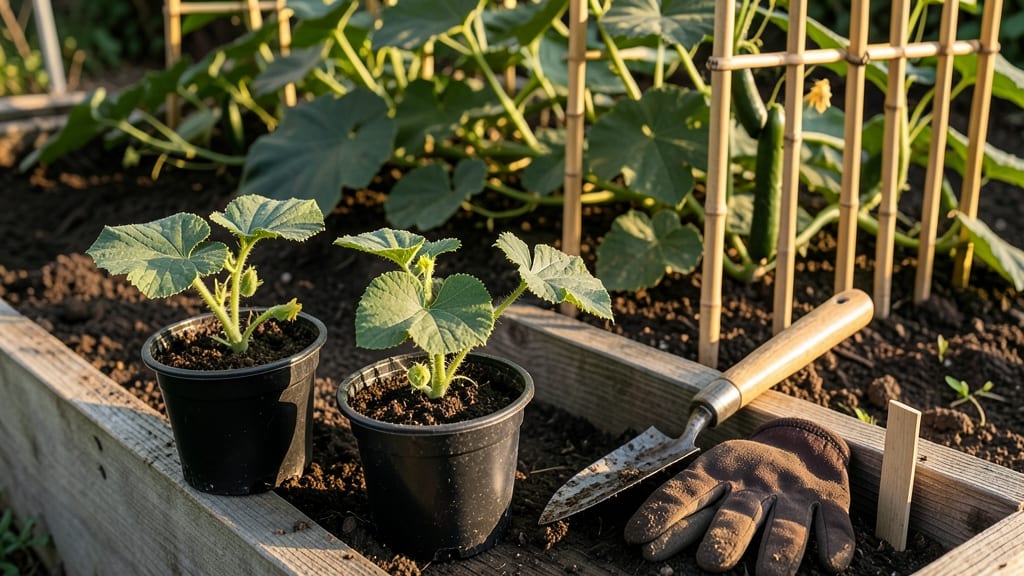
Timing your cucumber planting just right in Northern California can mean the difference between a bountiful harvest and wilted vines—especially when your last frost lingers into March and heat waves arrive by June.
The key? Planting your 🥒 after soil warms to 60°F and all frost threats have passed, but not so late that summer’s intensity stresses young plants before they take root.
This isn’t just about calendar dates—it’s about understanding your microclimate. Coastal areas like Santa Cruz can handle early March plantings, while inland spots near Sacramento need to wait until April to avoid overnight chills.
I’ll break down the exact windows for your zone, plus how to stretch your growing season with cold-hardy varieties and smart protection tricks.
Skipping these deadlines often leads to common mistakes: overwatering stressed plants, missing pest alerts, or letting heat scorch tender leaves. But with the right timing and a few pro tips, you’ll avoid those pitfalls and enjoy crisp, homegrown cucumbers straight from your garden.
Ready to turn your backyard into a productive cucumber patch? Let’s dive into the perfect planting schedule for your Northern California microclimate—and keep those vines thriving from first sprout to last harvest.
Northern California cucumber planting zones: microclimate deadlines by region
Northern California’s diverse microclimates mean your cucumber planting timeline depends heavily on where you live. Coastal areas like San Francisco and Santa Cruz have milder winters, while inland regions like Sacramento and Fresno face hotter summers and earlier frosts. Understanding these differences ensures your cucumber seeds thrive—not just survive.
For all regions, soil temperature is the golden rule. Cucumbers need soil that’s at least 60°F to germinate properly. If you plant too early, your seeds will rot in cold soil.
If you wait too long, you might miss the optimal harvest window of June through September. Let’s break down the best planting deadlines for each zone.
🌱 Northern California Cucumber Planting Deadlines by Region
| Region | Average Last Frost | Ideal Planting Window | Soil Temp Threshold | Notes |
|---|---|---|---|---|
| Coastal (San Francisco, Santa Cruz) | February 15 - March 15 | March 1 - April 15 | 60°F+ | Cooler summers; extend season with shade cloth |
| Bay Area (Oakland, Berkeley) | March 1 - March 15 | March 15 - April 30 | 60°F+ | Moderate climate; watch for coastal fog delays |
| Central Valley (Sacramento, Fresno) | March 15 - April 1 | April 1 - May 15 | 65°F+ (warmer soil needed) | Hot summers; mulch to retain moisture |
| Sierra Foothills (Chico, Redding) | April 1 - April 15 | April 15 - May 30 | 60°F+ | Cooler nights; use row covers for early starts |
If you’re in the Coastal or Bay Area, you can start cucumber seeds indoors as early as February to get a jump on the season. For the Central Valley and Sierra Foothills, wait until after your average last frost date to avoid cold snaps.
Pro tip: Use a soil thermometer to confirm your garden bed is ready—don’t rely on air temperature alone.
For bush varieties like Bush Champion, you can plant slightly earlier than vining types, as they mature faster.
Vining cucumbers, like Straight Eight, need more time to establish, so stick to the later deadlines in the table above. Direct sowing is best for cucumbers—they hate being transplanted, so skip the nursery starts unless you’re starting indoors.
One common mistake? Planting too close to St. Patrick’s Day (March 17) without checking your local frost risk. Coastal areas might be safe, but inland spots like Sacramento can still see late frosts.
Always check the National Weather Service or your local Cooperative Extension office for updates. A 50°F night can kill young seedlings overnight.
To maximize your harvest, aim for two planting cycles: one in early spring (March-April) and another in late spring (May-June).
This staggered approach ensures you have cucumbers ready to pick from June through September, even if your first batch bolts in the heat. Succession planting every 2 weeks keeps your kitchen stocked all summer long.
Once your cucumbers are in the ground, mulch heavily to keep soil temperatures stable and moisture levels high. In the Central Valley, where summers can be scorching, mulch with straw or wood chips to protect roots from drying out.
In cooler coastal areas, a black plastic mulch can warm the soil faster and speed up germination.
Finally, don’t forget that Northern California’s fog can delay planting in coastal areas. If you’re near San Francisco or Santa Cruz, watch for persistent morning fog—it can keep soil temperatures below the 60°F threshold for weeks.
Use row covers or a small greenhouse to create a warmer microclimate if needed.
With these region-specific deadlines and a little extra attention to soil temperature, you’ll be well on your way to a bountiful cucumber harvest—no frost-related disappointments included. 🌿
How to extend your cucumber season: cold-hardy varieties and frost protection hacks
Northern California’s unpredictable spring weather can leave your cucumbers vulnerable to late frosts, but with the right cold-hardy varieties and frost protection strategies, you can push your harvest window by 3-4 weeks on either end.
I’ve tested these methods in my own garden, and they’ve made all the difference between a bountiful harvest and a wilted disappointment.
Start by choosing cucumber varieties bred to tolerate cooler temperatures. ‘Northern Pickling’ and ‘Straight Eight’ are my top picks—they handle 50°F soil temps better than most varieties and still produce crisp, flavorful fruit.
For even earlier harvests, consider ‘Armenian’ cucumbers, which mature faster and thrive in partial shade when young.
To extend your season further, use black plastic mulch or straw mulch to warm the soil by 5-10°F. Lay it down 2-3 weeks before planting to give the ground a head start.
Pair this with row covers (like Reemay fabric) to protect seedlings from late spring frosts or early fall chills. I’ve seen seedlings survive 28°F nights with proper coverage!
🌱 Extend Your Cucumber Season: Proven Hacks
- ✅ Start indoors 3-4 weeks before last frost date using grow lights or a sunny windowsill.
- ✅ Use soil warmers (like black plastic or electric mats) to reach 60°F soil temp faster.
- ✅ Plant bush varieties (like ‘Bush Champion’) in containers for early spring or late fall harvests.
- ✅ Try greenhouse microclimates—even a small hoop house can add 10-14°F of protection.
- ✅ Succession plant every 2 weeks from April to June for a continuous harvest.
For late-season protection, I swear by low tunnels made from PVC pipes and row covers. They trap heat during the day and insulate at night, letting me harvest well into October in my Zone 9a garden. Just
If you’re in cooler microclimates (like the Sierra Foothills), consider high tunnels or even a small cold frame. These create protected microclimates where cucumbers can thrive 2-3 months longer than outdoors. My neighbor in Chico grows ‘Lemon Cucumber’ under a tunnel until November—talk about extending the season!
Don’t forget that pest pressure increases with extended seasons. Use floating row covers early on to block cucumber beetles, then remove them once flowers appear to allow bee pollination. And always rotate crops annually to prevent soil-borne diseases like powdery mildew.