
Plants
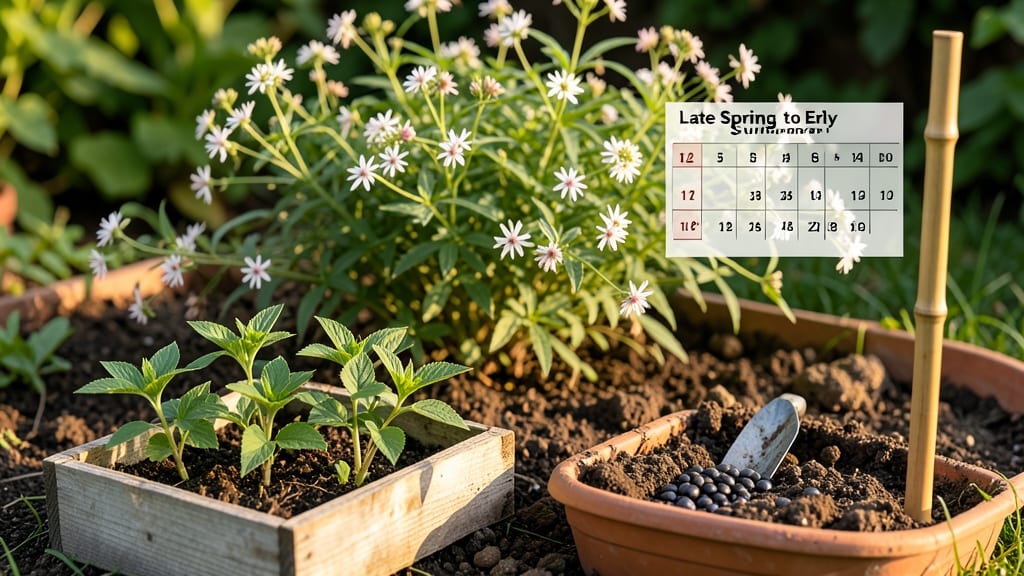
Timing matters more than you think when it comes to planting buckwheat in North Carolina—get it wrong, and you might end up with sparse yields or even no harvest at all. This fast-growing crop 🌾 thrives in USDA zones 7a-8b, but knowing exactly when to sow it is the difference between a bumper crop and wasted effort.
Most gardeners in NC focus on spring planting, but buckwheat actually has two ideal windows: early spring (March-April) or late summer (July-August). The key is avoiding frost—whether it's the last chill of winter or the first nip of fall—and ensuring soil temperatures stay above 60°F for germination.
Why does this matter? Buckwheat grows quickly—30-60 days to harvest—but it needs consistent warmth and moisture to perform. If you plant too early, cool soil slows it down; too late, and you risk frost cutting the season short before you can reap the rewards.
In this guide, I’ll break down the perfect planting schedule for your NC region, whether you’re in the Piedmont, Coastal Plain, or Mountains. Plus, I’ll share pro tips to maximize your yield—no guesswork, just results.
Best planting times for buckwheat in NC based on frost dates
North Carolina’s diverse climate zones mean buckwheat’s planting window varies dramatically from the coastal plains to the mountain regions. Understanding your last frost date is critical since buckwheat matures in just 60-75 days—too early, and you risk frost damage; too late, and you’ll miss the harvest window.
Let’s break down the ideal planting times for your specific NC region.
For coastal NC (USDA zones 8a-8b), where last frosts typically occur March 1-15, your best planting windows are mid-February to early April for spring crops and late July to early August for fall harvests.
In Piedmont NC (7a-7b), with last frosts around March 15-30, aim for late March to mid-April and early August. Mountain regions (7a) should wait until April 15 for spring planting.
Here’s how to align buckwheat’s 60-75 day growth cycle with NC’s frost-free windows to maximize yields:
For coastal gardeners, a late-July planting ensures harvest before the first frost in mid-November. In the Piedmont, prioritize early August plantings to avoid early frosts. Mountain growers should focus on late July for fall harvests, as their shorter growing season demands precision.
Pro tip: Use NC State Extension’s frost date maps to pinpoint your exact last frost date. For most of NC, this falls between March 1 and April 15, but microclimates (like urban heat islands) can shift this by 1-2 weeks.
Always plant 2-3 weeks after your average last frost date to account for unexpected cold snaps.
Buckwheat’s fast growth cycle makes it perfect for succession planting—sow seeds every 2-3 weeks from spring through early summer for continuous harvests. This strategy works especially well in coastal NC, where the growing season stretches longer.
Just remember: never plant buckwheat more than 90 days before your first expected frost, or you’ll lose your crop to cold.
If you’re growing buckwheat for grain production, prioritize late-summer plantings (July-August) to ensure seeds mature before frost. For green manure cover crops, early spring or fall plantings work best, as you’ll till the plants into the soil before they set seed.
Either way, timing is everything—get it wrong, and you’ll end up with underdeveloped seeds or wasted effort.
For container growing in NC’s urban areas, follow the same frost guidelines but use black plastic mulch to warm soil faster in spring. This can shave 1-2 weeks off your planting window, giving you an earlier start. Just ensure containers have drainage holes to prevent waterlogging, which buckwheat hates.
One common mistake NC gardeners make is planting buckwheat too early in spring when soil is still cold. Buckwheat needs soil temps of at least 60°F to germinate properly.
Use a soil thermometer to check—if it’s below 60°F, wait another week or two. Patience here pays off with stronger, faster-growing plants.
🌾
Soil temperature and moisture requirements for buckwheat in NC
Buckwheat thrives when planted in warm soil, making soil temperature the most critical factor for success in North Carolina. Aim for minimum 60°F soil temps before sowing seeds—cold soil delays germination and weakens seedlings.
In most of NC, this typically aligns with late April to early May for spring plantings and mid-July for summer.
North Carolina’s humid subtropical climate provides ideal moisture levels for buckwheat, but consistent soil moisture is key during germination. The soil should feel damp but not soggy—think of a wrung-out sponge.
Overwatering can lead to root rot, while drought stress slows growth. Mulching with straw or grass clippings helps retain moisture and regulate soil temperature.
| Requirement | Specification |
|---|---|
| Soil Temperature | Minimum 60°F for germination |
| Ideal Planting Temp | 65-75°F for fastest growth |
| Moisture Level | Consistently damp, not waterlogged |
| Soil pH | 5.8-7.0 (neutral to slightly acidic) |
| Drainage | Well-draining to prevent root rot |
To prepare your garden beds, amend the soil with compost or aged manure 2-3 weeks before planting. Buckwheat doesn’t need rich soil but benefits from organic matter to improve drainage and water retention.
Avoid heavy clay soils—these can become waterlogged, especially in NC’s humid summers. If your soil is compacted, mix in sand or perlite to create air pockets for roots.
In Coastal NC, where humidity is higher, focus on improving drainage by planting on mounds or raised beds. The Piedmont region typically has well-draining soils, but adding organic mulch helps retain moisture during dry spells.
Mountain areas may need extra soil warming—consider using black plastic mulch to raise soil temps faster in early spring.
After planting, maintain 1 inch of water weekly, delivered in the early morning to reduce fungal risks. Buckwheat’s shallow root system means it’s sensitive to drought, so consistent moisture is crucial during the first 30 days of growth.
Once established, it becomes more drought-tolerant but still prefers regular watering during NC’s hot, dry summers.
Monitor your soil’s moisture by checking the top 1-2 inches—if it’s dry, it’s time to water. In August and September, reduce watering slightly as buckwheat nears maturity to improve seed quality.
The goal is to balance hydration without encouraging excessive foliage growth at the expense of seed production.