
Plants
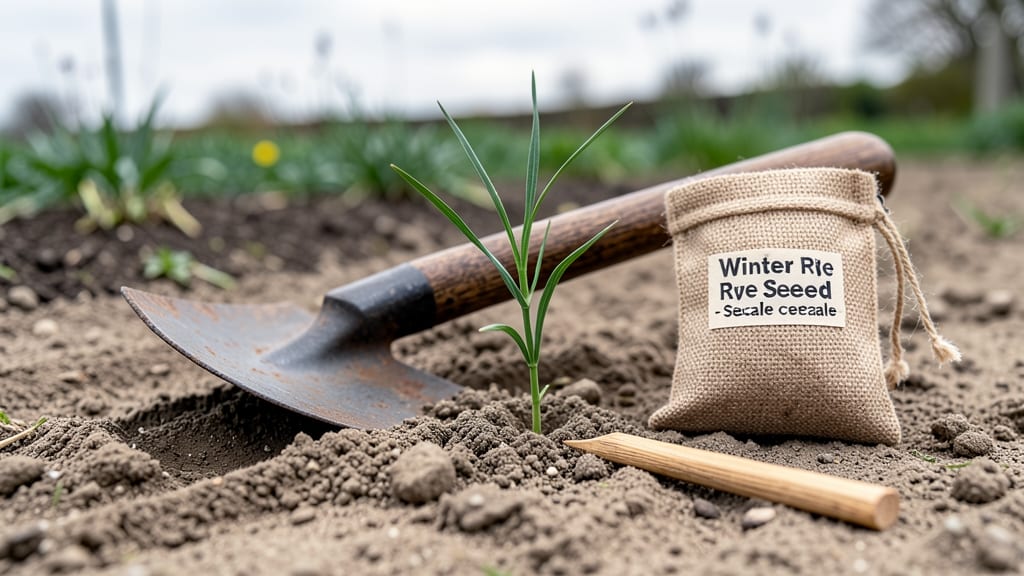
Planting winter rye in Texas isn’t just about timing—it’s about balancing frost risk, soil prep, and regional microclimates to ensure a thriving cover crop. Whether you're in North Texas or down in the 8a-10b zones, getting it right means avoiding early freezes or missing the window entirely.
This hardy 🌾 grass thrives when planted just before winter sets in, but the exact schedule varies dramatically between regions.
For most Texas gardeners, the best window falls between September and November in North Texas, while those in South or Central Texas can extend planting until December. The key is to plant 4-6 weeks before the first frost—typically by mid-November in the Panhandle and mid-December near the Gulf Coast.
This timing gives winter rye enough time to establish roots before cold weather locks the soil.
Why does this matter? Winter rye isn’t just for show—it’s a powerhouse for improving soil health, suppressing weeds, and even providing forage. But get the timing wrong, and you’ll either watch it wither in a freeze or struggle with poor establishment.
I’ll walk you through the exact months, regional adjustments, and care tips to make sure your winter rye grows strong and resilient all season long.
Let’s dive into the specifics so you can plant with confidence, whether you’re prepping for spring gardening or simply want to boost your soil’s health. You’ll learn how to read your local frost dates, adjust for urban heat islands, and avoid common pitfalls that leave winter rye struggling.
Ready to get started?
Ideal planting months for winter rye in Texas regions
Texas spans three distinct climate zones, each with unique frost patterns that dictate when to plant winter rye.
In North Texas (USDA Zone 8a), you’ll need to act fast—September through early November is your window to establish roots before the first frost hits around November 15. Miss this, and your cover crop may struggle to survive the winter.
For Central Texas (Zones 8b-9a), the timeline stretches slightly later—October to December—thanks to milder winters. The first frost typically arrives December 1, giving you a bit more flexibility.
Meanwhile, South Texas (Zones 9b-10b) gardeners can plant as late as December, with frosts rarely arriving before December 15.
Why the variation? It’s all about soil temperature thresholds. Winter rye germinates best when soil temps are between 50°F and 70°F. In North Texas, September soil temps are ideal, while South Texas can wait until November without risking poor germination.
Pro tip: Check your local frost date averages—tools like the National Weather Service or Texas A&M AgriLife provide county-specific data. For example, Amarillo’s first frost is October 31, while Houston’s is January 1—a 3-month difference!
If you’re in North Texas, aim to plant by October 15 to give roots time to establish before winter. In Central Texas, you’ve got a bit more leeway—November 1 is your cutoff. Meanwhile, South Texas gardeners can push it to December without worry, thanks to milder winters.
What if you miss the window? Planting in late November or December is risky—seeds may not germinate well in cold soil. However, if you’re in Zone 9b+, a January planting can still work for late-winter cover, though growth will be slower.
For urban gardeners, microclimates matter. Areas near concrete or pavement stay warmer and may allow later plantings, while rural fields cool faster. Always scout your specific site for 3–5 days before planting to gauge conditions.
Finally, remember: winter rye thrives as a cover crop, not a grain crop, in Texas. Your goal is to establish it before soil temps drop below 50°F—this ensures it’ll suppress weeds, prevent erosion, and improve soil health over winter.
Ideal planting months for winter rye in Texas regions
Winter rye thrives in Texas when planted 4-6 weeks before the first frost, but exact timing varies by USDA hardiness zone. North Texas gardeners should aim for September through November, while Central and South Texas have more flexibility until December.
These windows ensure seedlings establish roots before winter chill sets in.
Texas spans USDA zones 8a-10b, creating microclimates where frost arrives earlier in the Panhandle than in the Rio Grande Valley. For example, North Texas (Zone 8a) faces first frosts by November 15, while South Texas (Zone 10b) may see frost as late as December 15.
Adjust your schedule accordingly to avoid frost damage.
Here’s how to align your planting with Texas’s regional frost patterns:
| Region | USDA Zone | First Frost Date | Ideal Planting Window | Notes |
|---|---|---|---|---|
| North Texas | 8a | Nov 15 | Sep–Nov | Early frosts; prioritize September. |
| Central Texas | 8b–9a | Dec 1 | Oct–Dec | Flexible; December plantings may need frost protection. |
| South Texas | 9b–10b | Dec 15 | Oct–Dec | Mild winters; December is safe for most areas. |
In North Texas, focus on September plantings to give seedlings time to root before frost. Central Texas gardeners can extend planting until early December, but monitor weather forecasts for unexpected cold snaps. South Texas offers the most flexibility, with December plantings often succeeding due to milder winters.
For urban gardeners, microclimates matter. Areas near water bodies or concrete surfaces may experience earlier frosts than rural zones. Use a soil thermometer to confirm temperatures are below 60°F before planting—ideal soil temps for winter rye germination are 40–60°F.
Adjust your schedule if your local weather deviates from regional averages.
Pro tip: If you miss the ideal window, late November plantings can still work in Central and South Texas, but use row covers to protect young seedlings from unexpected frost. Prioritize soil health over strict timing—healthy soil speeds up establishment, even in cooler conditions.
🌾