
Plants
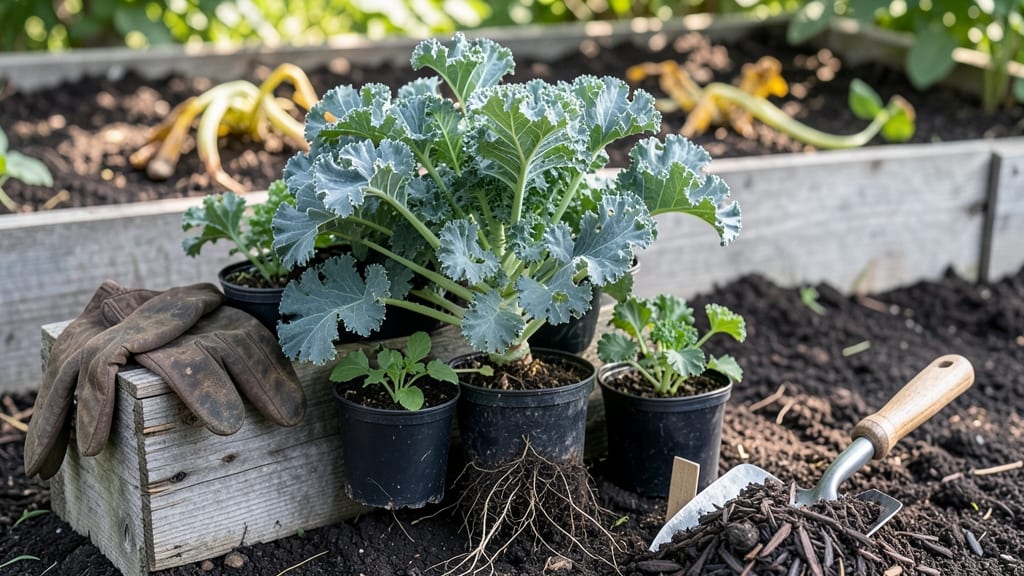
Timing your 🥬 brassicas planting in Michigan isn’t just about the calendar—it’s about beating the heat and frost to avoid bitter, bolting plants. Get it wrong, and you’ll end up with tough leaves or wasted seeds, no matter how much care you put into your garden.
Michigan’s USDA zones 5b-6b give you two prime windows to plant these cool-season crops: early spring and late summer. The key is working with your last frost date—usually around mid-April—while also planning for fall harvests before the first frost hits in October.
I’ve grown brassicas here for years, and the difference between a thriving garden and a disappointing one often comes down to these timing tricks. Whether you’re sowing cabbage in March or kale in August, I’ll show you exactly when to plant for maximum yield and flavor.
Ready to stop guessing and start growing? Let’s dive into the frost-free timeline that’ll turn your Michigan garden into a brassica powerhouse.
Michigan brassicas planting calendar: avoid bolting with frost-free timing
Michigan’s USDA Zones 5b-6b offer the perfect cool-season climate for brassicas like broccoli, cabbage, and kale. But timing is everything—plant too early, and frost will kill seedlings; too late, and heat triggers bitter bolting.
The key? Align your planting with Michigan’s average last frost dates (mid-April in most regions) and first frost dates (mid-October).
For spring brassicas, start seeds indoors 4-6 weeks before your last frost date (late February to early March). Transplant seedlings 2-3 weeks before the last frost, ensuring soil temps hit 40°F.
Fall crops? Begin seeds indoors 8-10 weeks before the first frost (late July to early August) and transplant by early September for a harvest before winter.
Here’s the frost-free timeline you need to nail it:
🌱 Michigan Brassicas Planting Timeline
| Stage | Action | Timeframe |
|---|---|---|
| Spring Start Indoors | Sow seeds | Late February – Early March |
| Transplant Outdoors | Hardy seedlings | Mid-April – Early May |
| Direct Sow Spring | Seedlings emerge | Early April – Mid-May |
| Fall Start Indoors | Sow seeds | Late July – Early August |
| Transplant Fall | Hardy seedlings | Early September |
| Direct Sow Fall | Seedlings emerge | Mid-August – Early September |
💡 Pro Tip: Use row covers to extend spring planting by 2-3 weeks.
Not all brassicas are created equal. Early varieties like ‘Early Jersey Wakefield’ cabbage or ‘De Cicco’ broccoli tolerate light frost and bolt slower, making them ideal for late-spring planting. For fall harvests, opt for cold-hardy varieties like ‘Winterbor’ kale or ‘Long Island Improved’ collards, which sweeten after frost.
Michigan’s clay-heavy soils can delay warming in spring. Amend beds with compost or aged manure to speed up soil warming and prevent cold soil shock. Aim for soil temps of 50°F+ before transplanting—use a soil thermometer to check.
Heat is the #1 enemy of brassicas. If temps rise above 75°F for more than a week, plants will bolt prematurely. To beat the heat, use shade cloth (30-50% shade) or plant in partial shade during peak summer months.
Succession planting every 2 weeks ensures a steady harvest before bolting strikes.
For northern Michigan (Zone 5b), push the envelope with early spring plantings under hoop tunnels. In southern Michigan (Zone 6b), you can even squeeze in a late-summer planting (late July) for a fall harvest before hard frosts.
Just be ready to protect with row covers if frost threatens early.
Track your local frost dates using the Michigan State University Extension’s frost calendar—it’s your best friend for adjusting these timelines. And remember: bolting isn’t just about heat; long daylight hours in summer also trigger it. Plan your fall crops to mature before daylight exceeds 14 hours.
🌿
Michigan brassicas planting calendar: avoid bolting with frost-free timing
Michigan’s USDA Zones 5b-6b offer two prime windows for brassicas—early spring and late summer—but timing is everything. Plant too early, and frost zaps tender seedlings.
Plant too late, and heat triggers bolting (those bitter flowers). The key? Align your schedule with Michigan’s average last frost (mid-April) and first frost (mid-October).
For spring brassicas, start seeds indoors 4-6 weeks before your last frost date (late February to early March). Transplants go in 2-3 weeks before frost (mid-March to early April). Direct sowing works too—just wait until soil warms to 45°F+ (usually late March to early April).
| Planting Window | Task | Notes |
|---|---|---|
| Late February–March | Start seeds indoors | Use grow lights; harden off 1 week before transplanting. |
| Mid-March–Early April | Transplant outdoors | Space 12–24" apart; mulch to retain moisture. |
| Late March–Early April | Direct sow seeds | Cover with row fabric for frost protection. |
| August–Early September | Start fall crops | Choose cold-hardy varieties like kale or Brussels sprouts. |
Fall planting is your secret to winter harvests. Sow seeds 8-10 weeks before first frost (early August for most of Michigan). Brussels sprouts and kale thrive in cool weather, while broccoli and cabbage need faster-maturing varieties (e.g., 'Winterbor' kale or 'Ruby Cross' broccoli).
Pro tip: Use Michigan’s frost-free days (150–180 days) to plan. For example, a 60-day broccoli planted in early April will bolt by July—so opt for late varieties (90+ days) or succession plant every 2 weeks for continuous harvests.
Watch for heat stress after early June. If temps hit 80°F+, brassicas bolt within 3–5 days. Shade cloth or afternoon watering can buy time. For zero-bolt success, pair your planting calendar with succession planting and cold protection—we’ll cover those tricks next!
🌱