
Plants
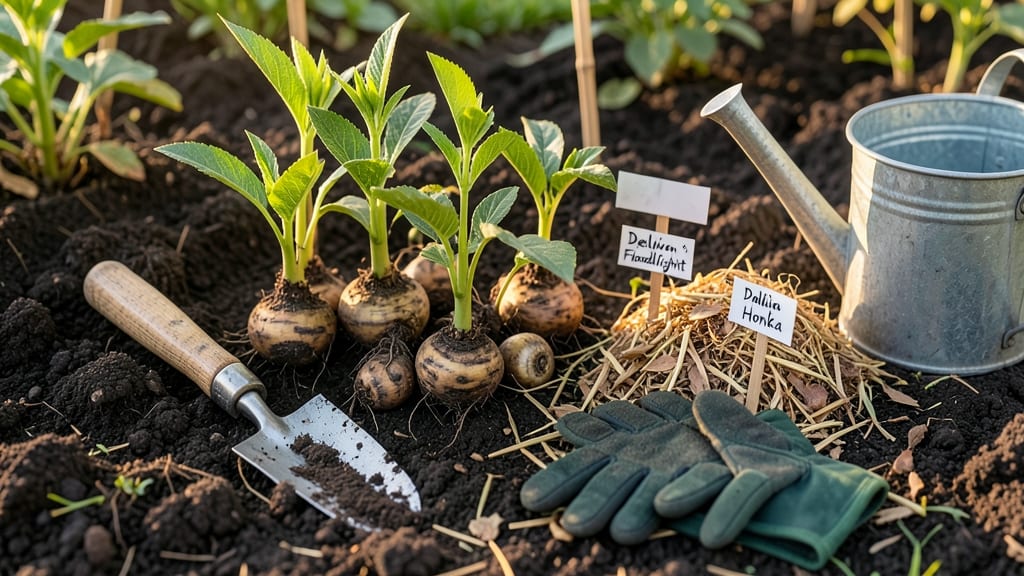
If you've ever planted dahlias in Illinois and watched your tubers rot before they could bloom, you're not alone—getting the timing right is everything.
The key to vibrant 🌸 dahlias lies in waiting for that perfect balance of soil temperature and frost-free conditions, which can make or break your garden's success this spring.
For Illinois gardeners in USDA Zones 5-6, the window between April 15 and May 31 offers the best shot at thriving dahlias, but rushing too early can turn your tubers to mush.
I'll break down exactly when to plant based on soil warmth, regional frost patterns, and how to prep your garden bed for maximum growth—so you can avoid common mistakes that leave gardeners frustrated.
Whether you're starting from tubers or seeds, understanding these critical factors will help you time your planting perfectly. We'll cover how to test soil temperature, adjust for microclimates, and even protect your dahlias from early spring pests that love to snack on tender new shoots.
Ready to transform your garden into a dahlia paradise? Let's dive into the exact steps to plant your tubers at the right time—so you can enjoy those stunning blooms from July through October without a hitch.
Ideal Illinois planting dates based on soil temperature & frost risk
In Illinois' USDA Zones 5-6, timing your dahlia tubers correctly ensures vibrant blooms from July to October. The key factors are soil temperature (must reach 55-60°F) and frost-free dates, which vary by region.
Planting too early risks rot from cold soil, while waiting too late may stunt growth before summer heat arrives.
Most Illinois gardeners aim to plant after April 15, but exact dates depend on your location. Northern Illinois (e.g., Chicago) typically waits until mid-to-late May, while central/southern Illinois (Springfield, Peoria) can start as early as early April in protected microclimates.
Always check your local last frost date—a late frost can devastate young shoots.
Here’s how to align your planting with Illinois’ climate quirks. Soil thermometers are your best tool—wait until the ground stays consistently above 60°F for 5+ days.
In Zone 5, this often means late May, while Zone 6 areas (like southern Illinois) may hit this threshold by mid-April.
🌸
| Region | Last Frost Date | Ideal Planting Window | Soil Temp Threshold | Risk if Planted Too Early |
|---|---|---|---|---|
| Northern IL (Chicago, Rockford) | April 20–May 5 | May 15–June 15 | 60°F (consistent) | Tuber rot from cold, wet soil |
| Central IL (Springfield, Decatur) | April 10–April 25 | April 30–May 30 | 55°F (minimum) | Stunted growth from late frosts |
| Southern IL (St. Louis, Carbondale) | March 25–April 10 | April 1–May 15 | 50°F (earlier risk) | Heat stress if planted too late |
🌡️ Pro Tip: Use a soil thermometer—don’t guess! Plant when temps stay above 60°F for 5+ days.
Heatwaves can also throw off your timing. If Illinois experiences an early 90°F+ spell (common by June), dahlias planted in late May may bolt or struggle to establish roots. To mitigate this, mulch heavily with straw or shredded leaves to retain moisture and cool the soil.
For gardeners in urban heat islands (like Chicago’s downtown), soil warms 1-2 weeks earlier than rural areas. Monitor your specific microclimate—paved surfaces and buildings accelerate warming. Conversely, northern suburbs may lag behind, so adjust your planting window accordingly.
If you’re eager to start early, consider chitting tubers indoors (placing them in bright light 4-6 weeks before planting). This jumpstarts growth, but never plant chitted tubers outdoors before soil warms—the shock can kill them. Balance enthusiasm with patience: dahlias reward precision, not rushing.
🌱
Remember, dahlias are tender perennials—they die back to the ground in winter but return from tubers. In Illinois, first frost typically arrives October 15, giving you a 165-day growing season. Plan to dig and store tubers before hard frosts to protect them for next year’s blooms.
Ideal Illinois planting dates based on soil temperature & frost risk
In Illinois (USDA Zones 5-6), timing your dahlias correctly means waiting until after the last frost date—typically mid-April to early May—but also ensuring your soil temperature stays above 55-60°F.
Planting too early risks rotten tubers from cold soil, while waiting too long may stunt growth before summer blooms. Let’s break down the exact windows for Illinois regions.
Most of Illinois sees its average last frost between April 15 (southern IL) and May 1 (northern IL). However, soil warms slower than air—use a soil thermometer to confirm 60°F+ at 4-inch depth.
In Chicago (Zone 5b), wait until May 1-15; in Springfield (Zone 6a), you can plant as early as April 20 if soil is ready.
| Region | Last Frost Date | Ideal Planting Window | Soil Temp Threshold |
|---|---|---|---|
| Northern IL (Chicago, Rockford) | May 1-15 | May 1-31 | 60°F+ |
| Central IL (Springfield, Peoria) | April 20-May 5 | April 25-May 31 | 55°F+ |
| Southern IL (St. Louis, Carbondale) | April 1-15 | April 15-May 15 | 50°F+ (warmer soil) |
Pro tip: If you’re chitting tubers indoors (placing them in trays with eyes up in 60°F conditions), start 4-6 weeks before your region’s last frost. This jumpstarts growth, but harden off plants for 7-10 days before transplanting to avoid shock.
Heatwaves in late May can also affect planting. If temperatures spike above 85°F before tubers are planted, delay until cooler evenings—dahlias thrive in warm days (70-80°F) with cool nights (50-60°F). Use shade cloth if planting early in hot microclimates (e.g., urban sidewalks or blacktop areas).
For container dahlias, plant 1-2 weeks later than in-ground varieties since pots warm up faster but also dry out quicker. Choose 15+ gallon containers to stabilize soil temps and reduce stress.
Remember: Dahlias are tender perennials—they’ll die back with frost, so dig up tubers before first frost (Oct 15) and store them in cool, dry conditions (35-40°F) for next year’s garden.