
Plants
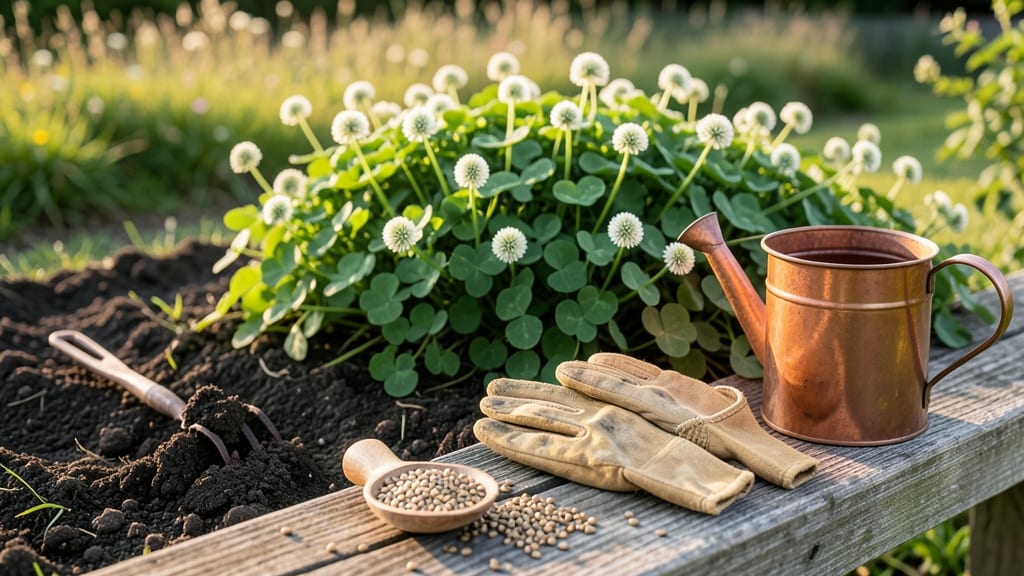
Timing your clover planting in Kentucky is the key to a thriving lawn or pasture—because those March–April windows make all the difference between lush growth and struggling starts.
With unpredictable spring weather, knowing when to plant 🌱 clover ensures it takes root before summer heat hits, giving you natural weed suppression and richer soil.
Whether you're in Louisville's urban sprawl or rural Zone 6a farms, the right planting schedule beats guesswork. I’ll break down why early spring and fall are your best bets, how to adjust for Kentucky’s microclimates, and what soil prep keeps clover flourishing year-round.
Spring planting gives clover a head start, while fall establishes deep roots before winter. But here’s the catch: soil temperature and frost dates vary across the state, and getting them wrong means wasted effort. Let’s dive into the exact window that works for your location.
From companion planting tips to avoiding common pitfalls, you’ll learn how to turn Kentucky’s climate into an advantage. Ready to transform your lawn or pasture into a clover powerhouse? Let’s get started.
Kentucky’s ideal clover planting months: frost-free window explained
Timing your clover planting in Kentucky is all about avoiding late frosts while maximizing soil warmth. With USDA Zones 6a and 7a, your best windows are early spring (March–April) and early fall (September–October).
These periods align with frost-free dates in most regions, giving clover the 60–70°F soil temps it craves for germination.
For spring planting, aim for after April 15—Kentucky’s average last frost date.
If you plant too early, cold snaps can stunt growth or kill seedlings. Fall planting, on the other hand, should start 4–6 weeks before the first frost (usually mid-September), allowing roots to establish before winter dormancy.
Here’s the frost-free window breakdown for Kentucky’s most common clover varieties—white Dutch, red, and crimson—based on regional data:
| Planting Window | Soil Temperature | Frost Risk | Best Clover Variety |
|---|---|---|---|
| Early Spring (March 15–April 15) | 50–60°F | High (late frosts) | White Dutch |
| Late Spring (April 16–May 15) | 60–70°F | Low | Red or Crimson |
| Early Fall (September 1–October 15) | 60–70°F | Moderate (early frosts) | All varieties |
If you’re planting white Dutch clover, prioritize late spring (April–May)—it handles heat better than red clover and thrives in full sun. For red or crimson clover, early fall is ideal; these varieties establish roots faster in cooler temps and bloom earlier, providing winter forage for pollinators.
Pro tip: Use a soil thermometer to confirm temps before planting. Clover seeds need consistent warmth—if soil is below 55°F, germination slows dramatically.
In northern Kentucky (Zone 6a), wait until mid-April for spring planting; in southern Kentucky (Zone 7a), you can start as early as late March.
Kentucky’s microclimates also play a role. Urban areas like Louisville often experience heat islands, meaning soil warms up 1–2 weeks earlier than rural spots. Monitor local frost alerts and adjust your timeline accordingly.
For example, Lexington’s last frost is typically April 1, while Paducah’s can linger until April 15.
One common mistake? Planting too late in spring (after May 15). While clover is heat-tolerant, seedlings struggle to establish in summer’s intense heat. If you miss the spring window, fall planting is your next best bet—just ensure seeds have 6–8 weeks to root before first frost.
For organic gardeners, consider cover cropping with clover. Plant in late summer (August) to suppress weeds and improve soil nitrogen before winter. Just avoid planting after September 15, as young clover may not survive early October frosts.
Finally, if you’re using clover seed mixes, check the label for germination rates. Some blends include inert fillers that can delay sprouting. For fastest results, choose 100% pure live seed with a 90%+ germination rate.
Kentucky’s ideal clover planting months: frost-free window explained
Kentucky’s USDA Zones 6a/7 create a unique 165-day frost-free window, making timing critical for clover germination. The last frost typically hits around April 15, while the first frost arrives by October 15.
These dates define your optimal planting windows—either early spring (March–April) or early fall (September–October)—to avoid frost damage and ensure robust root establishment.
For spring planting, aim to sow seeds 4–6 weeks before Kentucky’s last frost, ideally in late March to early April. This timing aligns with soil temperatures warming to 50–60°F, perfect for clover seed germination.
If you’re planting white Dutch clover (common for lawns), this window ensures it outcompetes weeds before summer heat sets in.
| Planting Window | Ideal Months | Soil Temp (°F) | Key Considerations |
|---|---|---|---|
| Spring Planting | Late March–Early April | 50–60°F | Weed competition peaks; water deeply to establish roots before summer. |
| Fall Planting | Early September–Mid-October | 60–70°F | Reduces weed pressure; roots establish before winter dormancy. |
| Avoid Planting | May–August | Above 80°F | High heat stresses seeds; drought risk increases. |
Fall planting offers unique advantages for Kentucky gardeners. By sowing red or white clover in September to October, seeds germinate in warm soil but establish roots before winter.
This 4–6 week buffer before the first frost ensures clover survives Kentucky’s chilly winters and rebounds vigorously in spring. Plus, fall-planted clover suppresses weeds naturally during the off-season.
If you’re in northern Kentucky (USDA Zone 6a), like in Paducah or Owensboro, err on the earlier side—plant by late March for spring or early September for fall.
Southern regions like Bowling Green (Zone 7a) can extend planting into mid-April or October, thanks to 10–14 extra frost-free days. Always check your local Cooperative Extension Service for microclimate adjustments.
For urban gardeners in Louisville or Lexington, consider container planting if your yard has poor drainage. Clover thrives in well-draining soil, and containers let you control moisture levels.
Just ensure pots have drainage holes and use a lightweight potting mix to prevent waterlogging—a common issue in Kentucky’s clay-heavy soils.
Pro tip: Test your soil’s pH (6.0–7.0 ideal) before planting. Kentucky’s limestone-rich soil often skews alkaline, which can stunt clover growth. Amend with compost or peat moss if needed, and mulch with straw to retain moisture during Kentucky’s dry spells.