
Plants
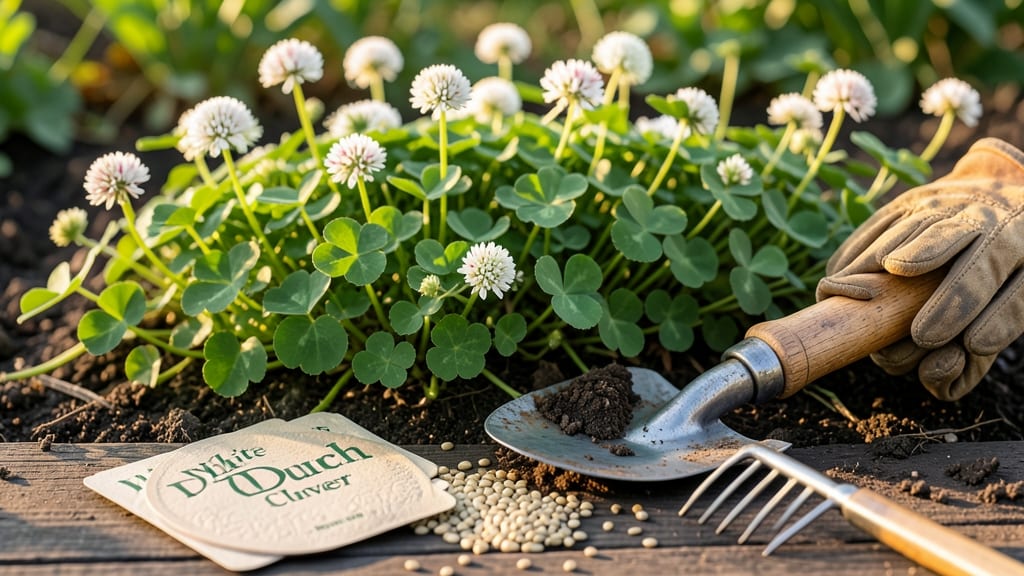
Timing your clover planting in Indiana can mean the difference between a thriving ground cover and a failed patch of dirt. With Indiana’s USDA Zone 5b-6b climate, getting the window right—whether you’re planting in early spring or fall—is everything for strong root growth and nitrogen-rich soil.
Most gardeners in Indiana swear by March-April for spring planting, once the soil warms to at least 50°F and the last frost has passed (usually around April 15).
But fall planting in August-September gives clover a head start before winter, especially for varieties like Dutch white clover that need time to establish before the first frost hits in mid-October.
Why does this matter? Because clover isn’t just pretty—it’s a game-changer for soil health, suppressing weeds and improving structure. Whether you’re prepping a lawn, garden bed, or pasture, planting at the right time ensures your 🌱 clover takes root deep and stays resilient through Indiana’s unpredictable weather.
Let’s break down the exact months, soil prep tips, and the best clover varieties for your Indiana microclimate—so you can skip the guesswork and get it right the first time.
Best months to plant clover in Indiana based on microclimates
Indiana’s USDA Zones 5b-6b mean clover thrives when planted during two key windows: early spring and early fall. These periods align with soil temperatures and frost patterns to ensure strong root establishment.
For northern Indiana (Zone 5b), aim for late April to early May in spring, while southern Indiana (Zone 6b) can start as early as March 15.
Fall planting offers a second chance—August through mid-September—when soil stays warm enough for germination but cools before winter. This timing helps clover establish roots before the first hard frost, typically around October 15 in most regions. Missing these windows risks weak growth or winter kill.
Here’s how Indiana’s microclimates influence planting: Northern counties (e.g., Gary, Fort Wayne) have shorter frost-free seasons (150-160 days), so prioritize late April planting. Southern areas (e.g., Louisville, Evansville) enjoy 170+ frost-free days, allowing earlier March starts or extended fall options.
Soil temperature is your best indicator—wait until it hits 50°F at 4 inches deep. Use a soil thermometer or check local Indiana State Climate Office reports for real-time data. Cold, wet soils delay germination and invite fungal diseases like Pythium.
For white Dutch clover, the most popular variety in Indiana, spring planting is ideal due to its fast germination (7-14 days). Red clover and crimson clover, however, handle fall better—they establish deeper roots before winter dormancy.
Choose your variety based on your garden’s purpose: Dutch for lawns, red for soil enrichment.
🌱 Pro Tip: If you’re in Zone 5b, consider covering seeds with straw in early spring to retain heat and speed up germination.
🌱 Indiana Clover Planting Comparison
| Region | USDA Zone | Best Spring Window | Best Fall Window | Soil Temp Requirement | Key Variety |
|---|---|---|---|---|---|
| Northern Indiana | 5b | Late April–Early May | August 15–September 10 | ≥50°F (4" deep) | White Dutch Clover |
| Central Indiana | 6a | March 20–April 15 | August 1–September 15 | ≥48°F (4" deep) | Red Clover |
| Southern Indiana | 6b | March 1–April 10 | August 15–October 1 | ≥45°F (4" deep) | Crimson Clover |
💡 Note: Adjust dates 1-2 weeks earlier for southern exposures or later for northern/shady areas.
Missed the spring window? Don’t panic—fall planting is just as effective for Indiana’s climate. Clover seeds germinate best when soil temps are 50-70°F, which aligns perfectly with late summer.
The key is to plant 6-8 weeks before frost (aim for September 1-15 in most areas). This gives roots time to anchor before winter.
For urban gardeners in cities like Indianapolis or Carmel, microclimates matter. South-facing yards warm up faster—plant 2 weeks earlier than the table suggests. North-facing areas? Delay by 1-2 weeks to avoid cold-soil germination issues. Always test your spot with a soil thermometer for accuracy.
Indiana’s variable rainfall also plays a role. If your spring is dry, opt for fall planting—clover’s deep roots access moisture better in cooler months. Conversely, if you’ve had excess rain, spring is safer to avoid waterlogged soil. Monitor your local NOAA forecasts for the best timing.
✂️ Quick Fix:
How to time clover planting for maximum root establishment
Timing your clover planting in Indiana isn’t just about avoiding frost—it’s about giving those delicate roots the perfect conditions to establish before winter sets in.
For most varieties, aim to plant when soil temperatures hit at least 50°F, which typically aligns with late March to early April for spring plantings. This window ensures seeds germinate quickly before summer’s heat arrives.
Fall plantings offer a second chance, especially for cold-hardy varieties like red clover. Sow seeds between mid-August and early September to let them germinate and develop roots before Indiana’s first hard frost, usually around mid-October.
The key is beating the frost by 4-6 weeks—roots need time to anchor before winter dormancy kicks in.
Use a soil thermometer to confirm 50°F+ at 2" depth. If cooler, wait 1-2 weeks.
Loosen soil to 1-2 inches deep and rake smooth. Avoid compacted areas to prevent poor germination.
Scatter seeds 1/4 inch deep—they need light to sprout. Space rows 6-12 inches apart for optimal growth.
Keep soil moist but not soggy until seedlings emerge (usually 7-14 days). Use a fine mist to avoid displacing seeds.
Apply 1/4-inch straw mulch to retain moisture and suppress weeds without smothering young shoots.
For drought-prone areas of Indiana, opt for white Dutch clover—it tolerates dry spells better than red clover. If planting in shady spots, choose Ladino clover, which adapts to partial shade but may grow slower. Always prioritize well-draining soil to prevent rot, especially in Indiana’s clay-heavy regions.
Post-planting, monitor for weed competition, which can choke out young clover. A light hand-weeding every 2-3 weeks keeps your clover thriving. Avoid overwatering—clover fixes its own nitrogen and prefers moderate moisture rather than soggy conditions.
Pro tip: If you miss the spring window, don’t panic! Fall plantings in September can still yield strong growth, provided you choose cold-resistant varieties like crimson clover. Just remember—roots over leaves is the golden rule for Indiana’s unpredictable climate.