Plants
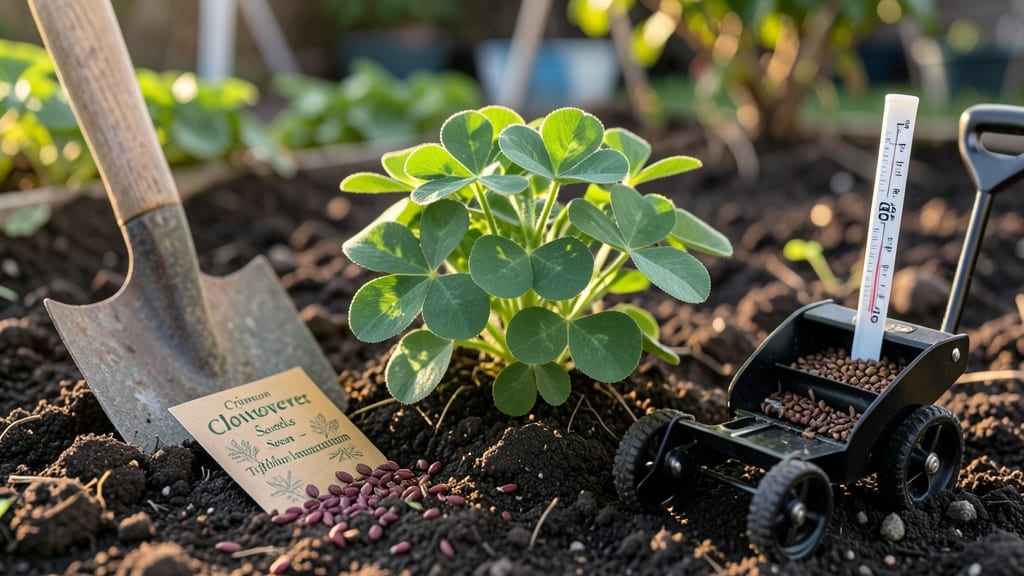
Planting crimson clover 🌸 in Tennessee at the wrong time could mean missing out on its best benefits—like improved soil health, winter protection, and pollinator support. The key to success lies in understanding when to plant, especially in zones 6a-7b, where timing directly impacts growth and survival.
Many Tennessee gardeners assume spring is the only option, but late summer or early fall often yields far better results. Why? Because planting 4-6 weeks before the first frost (around mid-November) gives your crimson clover enough time to establish roots before winter sets in.
In this guide, I’ll break down the ideal planting windows for your region, including soil prep tips and why fall planting usually outperforms spring. Whether you're a farmer or a home gardener, getting the timing right could make all the difference in your cover crop’s performance.
Let’s dive into the specifics so you can plant with confidence—and watch your soil thrive.
Optimal fall planting dates for crimson clover in Tennessee’s climate zones
Timing your crimson clover planting in Tennessee is critical for maximizing its nitrogen-fixing benefits and winter hardiness. Fall planting is the preferred method for most farmers in USDA zones 6a-7b, allowing the cover crop to establish roots before winter while avoiding summer heat stress.
The key window spans from mid-August to early October, but exact dates depend on your region's microclimate and soil temperature trends.
In western Tennessee (zone 7b), where winters are milder, you can extend planting until mid-October without risking frost damage. However, in eastern Tennessee (zone 6a), aim to finish by late September to ensure adequate root development before the first hard frost.
The goal is to plant 4-6 weeks before your area's average first frost date—typically mid-November—to allow 4-6 weeks of growth before dormancy.
Soil temperatures play a crucial role. Crimson clover germinates best when soil is between 60°F and 75°F. By late August, daytime temperatures in Tennessee often drop below this ideal range, which is why early September is the sweet spot for most regions.
Use a soil thermometer to confirm conditions if you're planting in late August or early October.
Here’s how regional microclimates affect your planting window:
| Region | USDA Zone | Ideal Planting Window | Soil Temp Threshold | Key Consideration |
|---|---|---|---|---|
| East TN (Chattanooga, Knoxville) | 6a | Late Aug - Late Sep | 60°F-75°F | Shorter growing season; prioritize early planting |
| Middle TN (Nashville, Murfreesboro) | 6b-7a | Early Aug - Early Oct | 60°F-75°F | Flexible window; monitor frost dates |
| West TN (Memphis, Jackson) | 7b | Mid-Aug - Mid-Oct | 60°F-75°F | Longer season; can push later dates |
| Mountain Regions (Great Smoky Mtns) | 6a | Late Aug - Early Sep | 55°F-70°F (cooler soils) | Higher elevations; plant earlier |
If you miss the fall window, don’t panic—early spring planting (March-April) can still work, but it comes with trade-offs like weed competition and drought stress.
For now, focus on nailing your fall planting date, as this gives crimson clover the best chance to establish a deep root system before winter. A well-timed fall planting will also suppress weeds and protect soil from erosion during Tennessee’s wet winters.
Pro tip: Use a planting calendar or local agricultural extension service to track your region’s historical frost dates. For example, the University of Tennessee Extension offers free frost date maps tailored to Tennessee’s diverse climates.
Adjust your planting date by 1-2 weeks if you’re in a microclimate with earlier frosts, like valleys or low-lying areas.
Once you’ve locked in your planting window, the next step is soil preparation. Crimson clover thrives in well-drained soils with a pH of 6.0-7.0. Conduct a soil test before planting to ensure your fields are ready.
In the next section, we’ll cover seed rates, companion crops, and post-planting care to set your crimson clover up for success.
Remember, the earlier you plant in fall, the more time your crimson clover has to fix nitrogen and build organic matter before winter. Don’t wait until the last minute—aim for that 60°F soil and watch your cover crop thrive! 🌱
Optimal fall planting dates for crimson clover in Tennessee’s climate zones
Fall planting is the gold standard for crimson clover in Tennessee, giving it time to establish roots before winter while avoiding summer heat stress. The key window is 4-6 weeks before your first frost date, which typically falls between November 1-15 across most of the state.
Tennessee spans USDA hardiness zones 6a-7b, and your exact planting date depends on your microclimate. Mountain regions (zone 6a) need earlier planting, while the warmer western areas (zone 7b) can wait slightly longer. Aim for soil temperatures between 60°F-70°F—ideal for germination without encouraging weed competition.
In zone 6a (East Tennessee), plant between mid-August and early September to ensure establishment before cold snaps. For zone 7a (Middle Tennessee), late August to mid-September works best. Zone 7b (West Tennessee) gardeners can extend planting until early October.
| Zone | Planting Window | Soil Temp | Key Tip |
|---|---|---|---|
| 6a (East TN) | Mid-August - Early Sept | 60°F-70°F | Use frost cloth for early cold snaps |
| 7a (Middle TN) | Late Aug - Mid-Sept | 60°F-70°F | Add compost for winter nutrient boost |
| 7b (West TN) | Early Sept - Early Oct | 65°F-75°F | Monitor for late-season weeds |
Don’t wait until October—crimson clover needs 4-6 weeks of growth before winter dormancy. Late plantings risk shallow root systems that struggle with freeze-thaw cycles. For best results, test your soil’s pH (6.0-7.0) and add lime if needed before planting.
Once established, crimson clover will overwinter beautifully, suppressing weeds and fixing 80-120 lbs of nitrogen per acre—a game-changer for spring cash crops. The red flowers also attract pollinators, boosting your farm’s biodiversity.
If you miss the fall window, don’t panic—spring planting is still possible, but with higher risks of drought stress and weed competition. We’ll cover those strategies in the next section.