
Plants
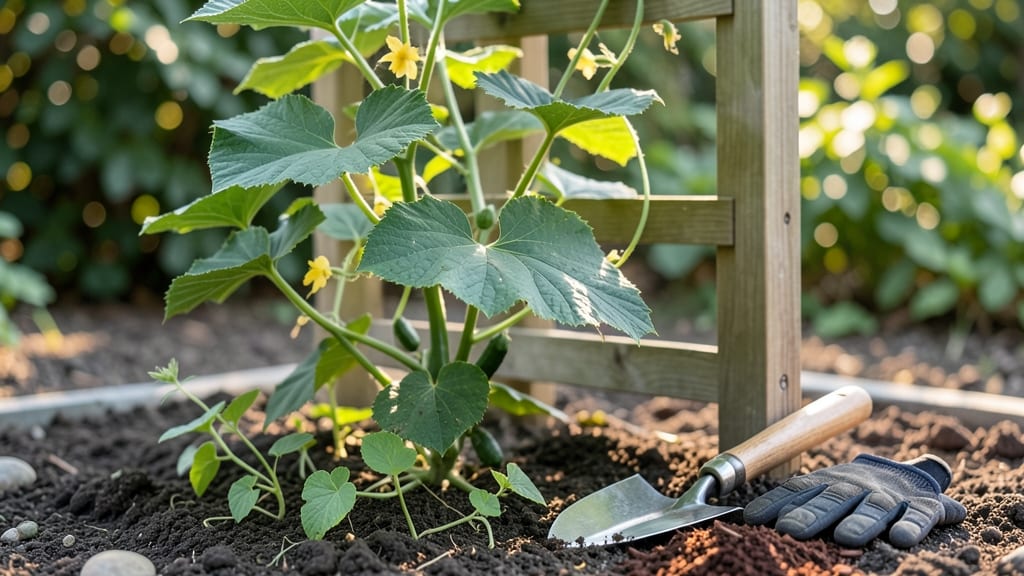
Timing your cucumber 🥒 planting in Zone 8b could mean the difference between a thriving vine and a sad, wilted disappointment—especially when those summer temps hit.
If you’ve ever watched your plants bolt or produce bitter fruit, you’re not alone, and the fix starts with knowing exactly when to plant for optimal results.
Zone 8b’s long growing season gives you two prime windows to plant cucumbers: late winter/early spring (February–March) and mid-summer (July–August). But here’s the catch—getting the timing right means avoiding heat stress while maximizing your harvest before the first frost sneaks up in December.
I’ll show you how to pick the perfect moment for your cucumbers to thrive, whether you’re growing them in the ground or containers.
You’ll also discover which heat-resistant varieties like ‘Straight Eight’ or ‘Marketmore 76’ perform best in Zone 8b’s climate, plus soil prep tricks to give your plants a fighting chance in the sweltering months. Ready to turn your garden into a cucumber powerhouse? Let’s dive in.
From soil temperature checks to succession planting strategies, I’ve got the game-changer tips you need to avoid common mistakes and enjoy crisp, sweet cucumbers from spring through fall. Let’s make this your most successful growing season yet!
Best planting dates for cucumbers in Zone 8B: avoiding heat stress
In Zone 8B, where summers can scorch even the hardiest plants, timing your cucumber planting is everything. The key is to avoid both early spring cold snaps and mid-summer heat stress, which can turn your vines bitter or stunted.
The ideal window is late winter to early spring (February–March) and mid-summer succession planting (July–August) for continuous harvests. This strategy ensures your cucumbers thrive when conditions are just right—not too hot, not too cold.
Zone 8B’s last average frost date typically falls around February 15, but microclimates (like coastal areas) may vary. For best results, wait until soil temperatures hit 60°F—a critical threshold for germination.
Cold soil delays sprouting, leaving your plants vulnerable to fungal diseases. Use a soil thermometer to check; if it’s below 60°F, consider black plastic mulch to warm the soil faster.
Here’s the golden rule: Plant cucumbers when daytime highs are consistently above 70°F but before temperatures exceed 90°F for prolonged periods. Heat-loving varieties like 'Straight Eight' and 'Marketmore 76' can handle Zone 8B’s summers, but extreme heat (above 95°F) will still cause bitterness and poor pollination.
Succession planting in late summer (July) gives you a second harvest window before fall cools down.
🌱 Zone 8B Cucumber Planting Comparison
| Planting Window | Soil Temp Requirement | Ideal Varieties | Key Risk |
|---|---|---|---|
| Late Winter (Feb) | 60°F+ | 'Straight Eight', 'Dasher II' | Cold soil delays growth |
| Early Spring (Mar) | 65°F+ | 'Marketmore 76', 'Poona Kheera' | Late frosts |
| Mid-Summer (Jul-Aug) | 70°F+ | 'Armenian', 'Lemon' | Heat stress, bolting |
💡 Pro Tip: Use shade cloth (30-50%) for summer plantings to protect young vines from intense sun.
For container gardening in Zone 8B, start seeds indoors 3–4 weeks before your target outdoor date. Containers heat up faster, so monitor soil moisture closely—drought stress in pots leads to bitter cucumbers and poor yields.
Choose bush varieties like 'Bush Champion' if space is limited; they mature faster and require less support.
If you’re in a coastal Zone 8B area (e.g., Southern California), you can plant as early as January thanks to milder winters. Inland areas (e.g., Texas Hill Country) should wait until March to avoid unexpected cold snaps.
Always check your local USDA frost map or ask your Cooperative Extension Service for hyper-local advice.
One common mistake in Zone 8B is planting too late in spring, only to face scorching summer heat when cucumbers are already flowering. To avoid this, use succession planting: sow every 2–3 weeks from February through May.
This staggered approach ensures a steady supply of fresh cucumbers without overwhelming your garden at once.
For heat-resistant varieties, prioritize parthenocarpic types (like 'Sweet Success') that don’t rely on bees for pollination—critical when temperatures exceed 90°F. These varieties also produce fewer seeds and thinner skins, making them ideal for Zone 8B’s climate. Pair them with drip irrigation to keep roots cool and consistent.
Remember: Cucumbers are 95% water, and in Zone 8B’s dry heat, they’ll demand daily watering during peak summer. Mulch with straw or wood chips to retain moisture and regulate soil temperature. Without these steps, your vines will struggle, and your harvest will suffer.
By nailing your planting dates and variety choices, you’ll enjoy crisp, sweet cucumbers from spring through fall—no bitterness in sight! 🥒
How to time cucumber planting for maximum yield in hot climates
Timing is everything when growing cucumbers in Zone 8B, where summer heat can quickly turn your vines into bitter, seedy disappointments. The key is to align your planting with soil warmth and seasonal shifts—not just the calendar.
For spring plantings, aim for late February to early March once nighttime temperatures consistently stay above 55°F. This gives your cucumbers a head start before the real heat arrives in May.
But don’t stop there! Zone 8B’s long growing season lets you try a second planting in mid-summer (July) for a late-season harvest. Just choose heat-tolerant varieties like 'Straight Eight' or 'Marketmore 76' that won’t bolt prematurely.
The trick is to get seeds in the ground when soil temps hit 60°F+—use a soil thermometer to check!
🌱 Key Takeaway: Zone 8B Planting Timeline
📅 Spring Planting
- 🌱 Late Feb–Early Mar: Start seeds indoors or direct-sow after last frost (typically Feb 15).
- 🌡️ Soil Temp: Wait until 60°F+ for germination (use black plastic mulch to warm soil faster).
- ☀️ Sun Exposure: Choose a south-facing spot with 8+ hours of sun.
📅 Summer Planting
- 🌱 Mid-July: Sow heat-resistant varieties for a fall harvest (avoid bolting).
- 🌿 Shade Cloth: Use 30% shade to protect young plants from 90°F+ temps.
- 💧 Watering: Deep-soak daily to prevent stress (mulch heavily!).
Preparing your soil is just as critical as timing. Zone 8B’s clay-heavy soils can bake hard under summer sun, so amend with compost and mulch with straw or black plastic to retain moisture. A pH of 6.0–6.8 is ideal—test your soil and adjust with lime or sulfur if needed.
For container growers, use well-draining potting mix and larger pots (at least 12 inches deep) to prevent root stress.
Once planted, consistent watering is non-negotiable. Cucumbers need 1–2 inches of water weekly, but in Zone 8B’s heat, you may need to water every 2–3 days. Water at the base of plants in the morning to avoid fungal diseases like powdery mildew.
Drip irrigation or soaker hoses work best—they deliver water directly to roots without wetting leaves.
Don’t forget about trellising! Vining cucumbers in Zone 8B can sprawl 10–20 feet, competing for space and increasing disease risk. Use a 5–6 foot trellis to save space, improve airflow, and produce straighter, cleaner fruits.
Bush varieties like 'Bush Champion' are great for small gardens but may yield less in the heat.
Finally, watch for heat stress signs like yellowing leaves or bitter-tasting fruits. If temps exceed 95°F, provide temporary shade with a lightweight row cover during peak afternoon heat. With the right timing and care, you’ll enjoy crisp, sweet cucumbers from spring through fall—no bitter surprises in sight! 🥒