
Plants
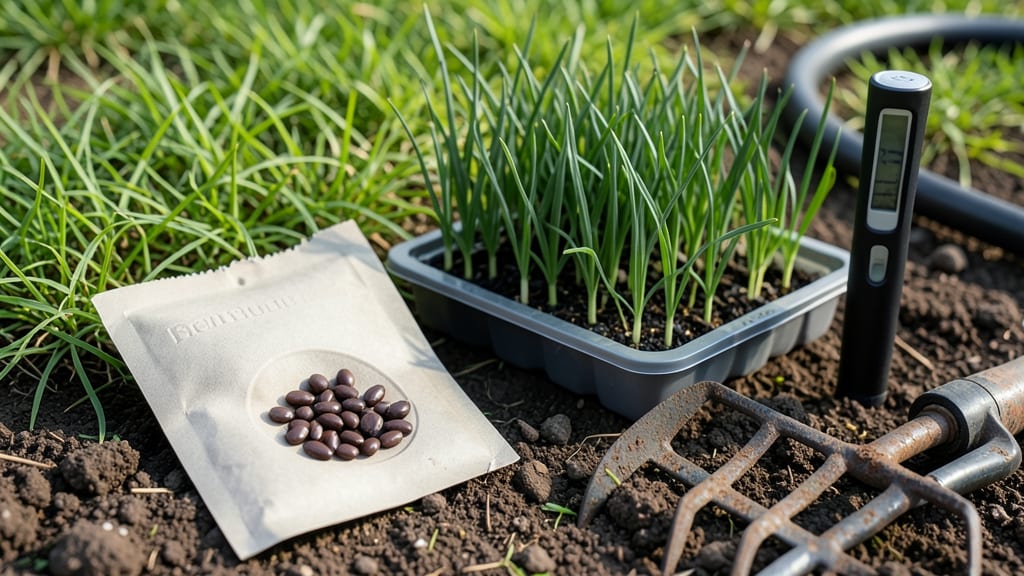
Planting Bermuda Grass seed at the wrong time in North Texas can mean the difference between a lush, drought-resistant lawn and a frustrating patchwork of brown spots. The key to fast, healthy establishment isn’t just about dropping seeds in the dirt—it’s about understanding when to plant for your specific zone.
Most gardeners in USDA Zone 8a know the struggle: waiting too long risks summer’s scorching heat, while planting too early leaves seedlings vulnerable to late frosts. But here’s the good news—there’s a sweet spot where soil temps, moisture, and daylight align perfectly for fast germination and root growth.
In this guide, I’ll break down the exact planting window for North Texas, including why late spring (after March 15) is your best bet—and how to adjust for micro-climates like Dallas vs. Wichita Falls.
You’ll also learn how to prep your soil and water like a pro to avoid common pitfalls.
Ready to transform your lawn into a vibrant, low-maintenance carpet? Let’s dive into the timing, techniques, and local secrets that’ll give your 🌱 Bermuda Grass the best possible start.
Best planting dates for Bermuda seed in North Texas (2024 guide)
Bermuda grass thrives in North Texas’ brutal summers but needs precise timing to establish strong roots before the heat peaks. The ideal window is late April to early May when soil temperatures hit 65°F+—this ensures germination before summer’s relentless sun.
Planting too early risks frost damage, while late plantings struggle with heat stress.
North Texas spans USDA Zones 7b-8b, with microclimates like Dallas (warmer) and Wichita Falls (cooler). Adjust your schedule: Dallas-area gardeners can start as early as mid-April, while Wichita Falls should wait until early May. Always check soil temperature with a thermometer—it’s the real game-changer.
Here’s the science-backed timeline to follow for a lush, drought-resistant lawn:
| Month | Soil Temp (°F) | Planting Window | Risk Level |
|---|---|---|---|
| February | 50-55°F | Too early (frost risk) | ⚠️ High |
| March | 55-60°F | Borderline (wait for 65°F+) | ⚠️ Medium |
| April | 65-75°F | ✅ Ideal (late April) | ✅ Low |
| May | 75-85°F | ⚠️ Late but possible | ⚠️ Medium |
| June+ | 90°F+ | ❌ Avoid (heat stress) | ❌ High |
Pro tip: Use a soil thermometer to confirm 65°F+ before planting. Check temps at 4-inch depth—this is where seeds will germinate. If your soil runs cooler (common in clay-heavy North Texas soils), wait a few extra days. Patience here pays off with faster establishment and drought resistance.
For Dallas gardeners, aim for late April when average soil temps hit 70°F. In Wichita Falls, push to early May to avoid late-spring frost pockets. Always monitor local forecasts—North Texas’ unpredictable weather can shift windows by weeks.
Bermuda grass seeds need consistent moisture to germinate, but overwatering in hot weather causes fungal issues. Start with light daily watering (1/4 inch) until sprouts appear, then deep-soak every 2-3 days. Use a sprinkler with even coverage to prevent dry spots.
If you miss the spring window, late summer (August) is a second chance—but expect slower growth. Seedlings planted in September+ rarely survive North Texas winters. The tradeoff? Fall plantings risk winter kill, while summer plantings struggle with heat stress. Stick to spring for best results.
Local tip: Check the Texas A&M AgriLife Extension for 2024 frost data—their North Texas Lawn Calendar updates planting windows annually. Their soil temperature maps are gold for adjusting your schedule.
Once planted, Bermuda grass grows aggressively in North Texas’ heat. Within 3-4 weeks, you’ll see dense green coverage—but only if you nailed the timing. Skip the guesswork: Wait for 65°F soil, plant in late April, and water consistently for a lawn that outlasts Texas summers.
Best planting dates for Bermuda seed in North Texas (2024 guide)
North Texas’s USDA Zone 8a/b climate creates a narrow window for planting Bermuda grass seed. The ideal planting window spans from late February to early April, right after the average last frost date (March 15).
This timing ensures your seeds germinate in warm soil (65°F+) without risking frost damage. Missing this window? You can try a late summer replant (August-September), but establishment slows in fall’s cooling temperatures.
For Dallas-Fort Worth areas, aim for March 15-April 15—when daytime highs hit 70°F+ consistently. Meanwhile, Wichita Falls can plant slightly earlier (late February) due to its cooler microclimate. Always check soil temperature with a soil thermometer—Bermuda seeds need 65°F+ to sprout efficiently.
| Planting Window | Soil Temp Requirement | Frost Risk | Establishment Speed |
|---|---|---|---|
| Late February - Early April | 65°F+ | Low (post-last frost) | Fast (4-6 weeks) |
| August - September | 70°F+ | None | Slow (6-8 weeks) |
| May - June | 75°F+ | None | Very Slow (8+ weeks) |
Planting in May or June is possible but risky—summer’s intense heat can cause seeds to dry out before sprouting. If you must plant late, use shade cloth to protect seedlings from 100°F+ afternoons.
For Dallas’ urban heat islands, even April plantings may need afternoon shade until seedlings reach 2 inches tall.
Pro tip: Monitor local weather via NOAA’s North Texas climate maps. A 3-day forecast of consistent 70°F+ days is your green light. Avoid planting after June 15—establishment becomes nearly impossible as temperatures exceed 90°F for prolonged periods.
For Wichita Falls’ cooler microclimate, extend your window to mid-April. The Red River Valley can even plant early May, but expect slower germination due to cooler nights. Always adjust for elevations above 1,000 feet, where nights stay cooler.
Remember: Bermuda grass thrives on speed. Planting at the optimal window ensures your lawn outcompetes weeds like crabgrass before summer’s peak. Skip the timing, and you’ll spend 2025 battling bare spots instead of enjoying your drought-proof lawn.