
Plants
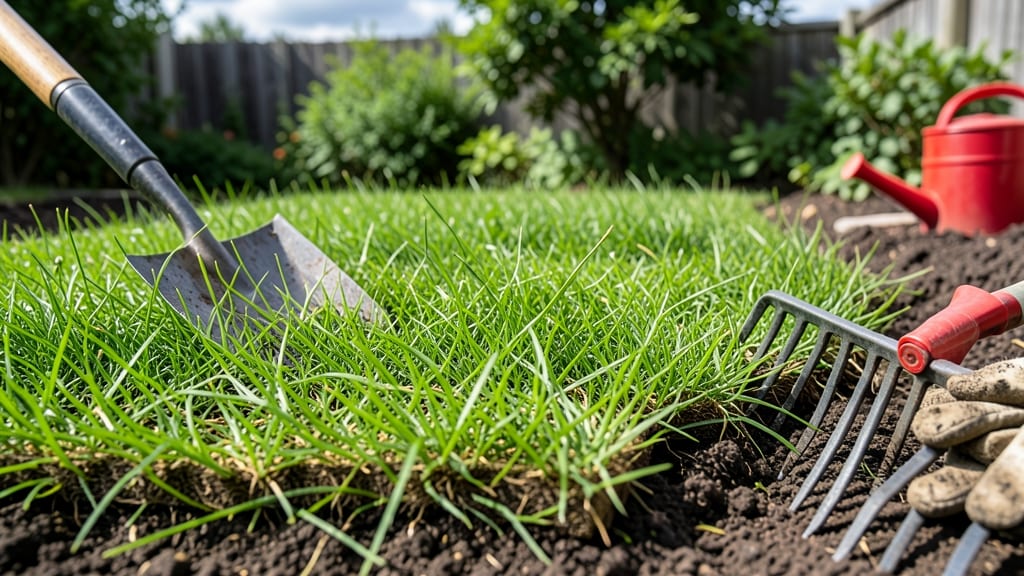
Planting Bermuda grass 🌱 in San Antonio at the wrong time can leave you with patchy, weak turf that struggles through our brutal summers.
The key to a lush, drought-resistant lawn starts with knowing exactly when to plant—because timing here isn’t just about months, it’s about soil temperatures and heat tolerance.
Most gardeners assume spring is the only window, but San Antonio’s Zone 8b climate actually offers two prime opportunities: late March to April for fresh seed or sod, and a lesser-known fall option in August-September for overseeding.
Missing these windows means your grass will either bake in early heat or struggle to establish before winter.
I’ve seen firsthand how fast spread and deep root systems happen when planted right—versus the slow, stunted growth from planting too early or late. Let’s break down the exact dates, soil prep tricks, and irrigation secrets that’ll give you a lawn most neighbors will envy by summer.
Whether you’re starting from seed, laying sod, or overseeding, these San Antonio-specific tips will help you avoid common mistakes like overwatering, poor soil prep, or choosing the wrong variety for our alkaline soils. Ready to transform your yard into a heat-beating Bermuda grass oasis?
Optimal Bermuda grass planting dates in San Antonio’s climate zones
San Antonio’s USDA Zone 8b climate means Bermuda grass thrives when planted during two critical windows: late spring and early fall. The key is aligning your planting with soil temperatures and rainfall patterns to avoid heat stress or fungal diseases.
For Tifway 419 or Riviera varieties, timing is everything—plant too early, and cold snaps will stunt growth; too late, and summer’s intensity will shock young roots.
The best time to plant Bermuda grass in San Antonio is mid-March through early April for spring planting. This window ensures soil temperatures stay above 65°F (18°C), the minimum needed for germination.
Fall planting should occur late August to mid-September, allowing roots to establish before winter dormancy. Avoid planting in May or June—the extreme heat can cause seed desiccation or poor root development.
San Antonio’s unpredictable spring rains can delay planting, so always check soil moisture before seeding. A soil thermometer is your best tool—wait until readings consistently hit 65°F+ at 4 inches deep. For sod installation, the same timing rules apply, but sod can handle slightly cooler soils than seed.
Here’s how San Antonio’s climate affects Bermuda grass planting:
| Planting Window | Soil Temp Requirement | Rainfall Consideration | Heat Risk |
|---|---|---|---|
| Mid-March – Early April | 65°F+ (18°C) | Moderate spring rains | Low (early season) |
| Late August – Mid-September | 65°F+ (18°C) | Late summer humidity | Moderate (early fall heat) |
| Avoid May – June | N/A (too hot) | Drought conditions | High (seed/sod stress) |
San Antonio’s alkaline soil (pH 7.5–8.5) can slow Bermuda grass growth if not amended. Before planting, test your soil and adjust the pH to 6.0–6.5 using sulfur or peat moss.
This step is non-negotiable—without proper pH, your grass will struggle to absorb nutrients, even with perfect timing. Think of it as prepping the foundation before laying sod or seed.
For seed planting, aim for a 1/4-inch depth and keep soil moist until germination (7–14 days). Sod should be laid on a prepared base with 2–3 inches of compost-amended topsoil. Both methods benefit from a light mulch layer to retain moisture during San Antonio’s dry spells.
Remember: Bermuda grass spreads aggressively once established, so plan for 1–2 inches of vertical growth per month during peak summer.
Local nurseries like Houston’s Nursery or San Antonio Garden Center often carry heat-tolerant varieties pre-adapted to the region. Ask for Tifway 419 (drought-resistant) or Riviera (dense growth) when shopping. These varieties are bred to handle San Antonio’s 100°F+ summers and low winter chills, making them ideal choices.
Pro tip: Mark your calendar for April 15 and September 1 as your target deadlines. Planting before these dates gives Bermuda grass enough time to establish deep roots before summer’s peak or winter’s dormancy.
If you miss these windows, consider overseeding in late fall (November) for a head start in spring.
Finally, monitor your lawn for brown patch fungus after planting—San Antonio’s humidity creates prime conditions. Water early morning only to prevent fungal growth, and avoid walking on new seed until it’s 2–3 inches tall.
With the right timing and care, your Bermuda grass will transform into a lush, drought-resistant carpet by early summer.
Optimal Bermuda grass planting dates in San Antonio’s climate zones
San Antonio’s USDA Zone 8b-9a climate creates a narrow window for planting Bermuda grass—too early risks frost damage, while late planting delays drought resistance. The ideal window spans mid-March to early April, when soil temperatures consistently hit 65°F (18°C) and frost risk vanishes.
This timing aligns with San Antonio’s 240 frost-free days, ensuring vigorous growth before summer’s peak.
For overseeding or repairing thin spots, late summer—August to mid-September—works best. This second window capitalizes on residual summer heat while avoiding fall’s cooler spells. However, avoid planting after September 15, as cooler nights slow germination.
Local varieties like Tifway 419 and Riviera thrive in these windows due to their heat tolerance and drought resistance.
| Planting Window | Soil Temp | Key Conditions | Action |
|---|---|---|---|
| Mid-March to Early April | 65°F+ (18°C+) | Frost-free, 6+ sun hours | Sod or seed |
| August to Mid-September | 70°F+ (21°C+) | High humidity, residual heat | Overseed or patch |
| Avoid After | September 15 | Cooler nights slow growth | Risk of weak roots |
San Antonio’s clay-heavy soils and alkaline pH (7.5-8.5) demand extra prep. Before planting, conduct a soil test—aim for a pH of 6.0-6.5 by amending with sulfur or peat moss. Bermuda grass hates soggy soil, so improve drainage with gypsum if needed.
My go-to method? Till in 2-3 inches of compost and rake to create a fine, crumbly texture for seeds or sod.
Timing also depends on your method: sod establishes faster (ready in 2-3 weeks) but costs more, while seed is cheaper but needs 4-6 weeks to fill in.
For San Antonio’s heat, I recommend sod for immediate coverage, especially in full-sun areas. If seeding, choose pre-germinated seed to cut germination time by 30%.
Watch for local rainfall patterns—San Antonio’s unpredictable spring showers can delay planting. If rain exceeds 1 inch/week, pause planting until soils dry to 3-4 inches deep. Mulch lightly with straw after planting to retain moisture without smothering young grass.
Pro tip: Use a soil thermometer to confirm 65°F+ soil temps before seeding—this prevents seed rot in cooler spells.
For drought resistance, plant when average nighttime temps stay above 60°F (15°C). This ensures roots grow deep before summer’s 100°F+ heat.
In my Zone 8b yard, I’ve found that planting by April 1 gives Bermuda grass 8-10 weeks to establish before peak heat—critical for surviving San Antonio’s low humidity and intense sun.