
Plants
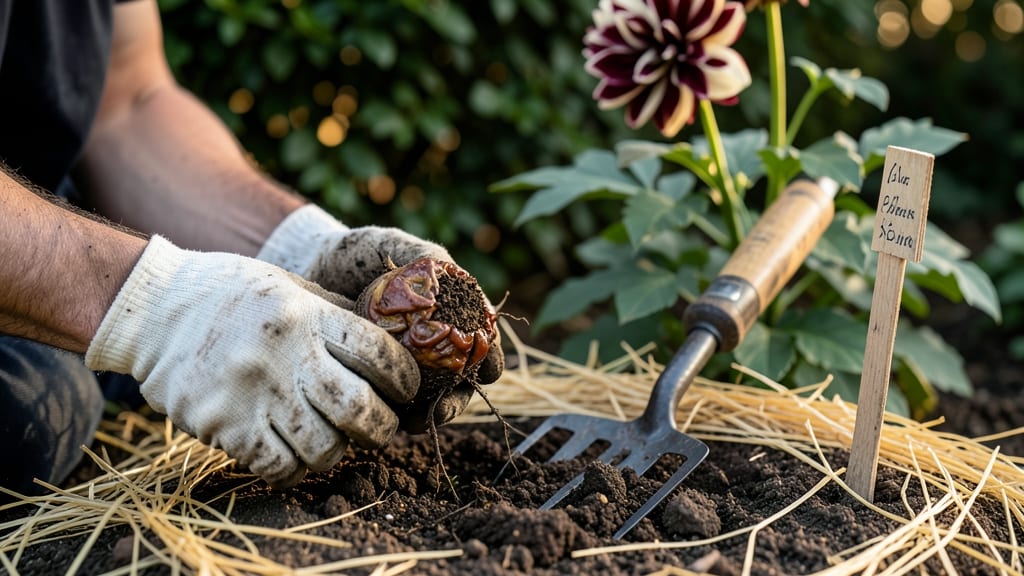
Planting dahlias in Minnesota isn't just about waiting for spring—it's about mastering frost-date math to ensure your 🌼 blooms thrive from July through fall. One wrong move, and a late frost could turn your garden dreams into a sad, wilted pile of tubers.
But with the right timing, you'll enjoy vibrant flowers that make every summer day brighter.
The key is knowing when soil temperatures hit that sweet spot of 60°F—typically mid-May to early June—after the last frost has passed. Minnesota's 4a-5b hardiness zones mean you've got a short window to get dahlias in the ground before summer slips away.
Whether you're in the Twin Cities or up north, this guide breaks down exactly when to plant and how to protect your investment from Mother Nature's surprises.
I've seen gardeners miss the window by days, only to watch their dahlias struggle—or worse, never emerge at all. The difference between a zero-frost success and a failed planting often comes down to preparation.
We'll cover tuber care, soil prep, and even how to extend your growing season if the weather plays tricks on you. Let's get those dahlias in the ground the right way.
Ready to turn your Minnesota garden into a dahlia paradise? By the end of this guide, you'll know exactly when to plant, how to prep your soil, and what to watch for to ensure your dahlias bloom like crazy all season long. No more guesswork—just beautiful, frost-proof flowers.
Minnesota’s dahlias planting window: frost dates and hardiness zones
Planting dahlias in Minnesota hinges on two critical factors: last frost dates and soil temperature. Unlike heat-loving tropical plants, dahlias need warm soil (at least 60°F) to germinate properly.
In USDA Zones 4a-5b, this typically means waiting until mid-May to early June, but timing can shift by 1-2 weeks depending on your specific region.
Northern Minnesota (Zones 3-4) faces the highest frost risk, while the Twin Cities metro (Zone 4b-5a) generally enjoys a slightly longer growing season. Always verify your local frost dates using the MN Department of Agriculture or Almanac frost calculators—they’re your best guide for zero-frost success.
Dahlias are tender perennials, meaning their tubers won’t survive frost. Even a light freeze (32°F) can kill emerging shoots, so never plant before Memorial Day in most of the state.
Pro tip: Use row covers or cloche tunnels to extend your planting window by 10-14 days if you’re eager to get started.
Soil temperature is just as critical as air temperature. Use a soil thermometer to confirm your garden bed has warmed to 60°F+ at 6 inches deep. Cold soil delays germination and invites rot.
In northern MN, this might not happen until late May, while southern MN could be ready by early May.
Here’s the hardiness zone breakdown for Minnesota dahlias:
| Zone | Avg. Last Frost | Ideal Planting Window | Soil Temp Threshold |
|---|---|---|---|
| Zone 3 (Northern MN) | May 25–June 5 | Late May–Early June | 60°F+ (wait for warmth) |
| Zone 4a (North/Central MN) | May 15–May 25 | Mid-May–Late May | 60°F+ (verify with thermometer) |
| Zone 4b–5a (Twin Cities/Southern MN) | May 5–May 15 | Early–Mid May | 60°F+ (sooner in sunny spots) |
| All Zones (Extension Tip) | N/A | Plant after Memorial Day for safety | Use row covers for early starts |
If you’re unsure about your zone, check the University of Minnesota Extension’s interactive map. It’s free and updates frost data annually. Pro move: Bookmark it now—you’ll thank yourself when May 15th rolls around and you’re ready to plant!
One common mistake is assuming air temperature = soil temperature. A 70°F day in May might still have 50°F soil, which is too cold for dahlias. Test your soil for 3 consecutive days before planting to avoid rotten tubers.
For extra insurance, consider starting dahlias indoors 4–6 weeks before your target outdoor date. Use seedling trays with heat mats to jumpstart growth, then transplant hardened-off seedlings after the last frost. This method gives you a 2-week head start on blooms!
Remember: Dahlias planted too early risk frost damage, while late plantings may not bloom until August. Strike that balance, and you’ll enjoy vibrant blooms from July to frost—the whole point of growing dahlias in Minnesota!
Step-by-step dahlias planting timeline for Minnesota climates
Minnesota’s short growing season means every week counts when planting dahlias. I’ve broken down the perfect timeline—from tuber prep in April to fall care in October—so you can maximize blooms before the frost hits. Northern MN gardeners should adjust dates 1-2 weeks later than the Twin Cities.
Start by chitting tubers indoors in early April. Place them in a bright, cool spot (60-65°F) with the "eyes" facing up. This jumpstarts growth, giving you a 2-3 week head start on the season. Use a shallow tray with sphagnum moss or perlite to keep them moist but not soggy.
🌱April (Indoor Prep)
Week 1-2: Chit tubers indoors. Week 3: Harden off seedlings by moving them outside during the day (bring them in at night). This prepares them for May’s unpredictable weather.
- Late April: Chit tubers indoors (60-65°F).
- Early May: Harden off seedlings; monitor soil temps (wait for 60°F+).
- Mid-May (Twin Cities) / Late May (Northern MN): Plant tubers 4-6" deep, 12-18" apart in well-draining soil.
- June: Mulch heavily (3-4") to retain moisture and prevent frost damage.
- July-August: Deadhead spent blooms; fertilize every 4-6 weeks.
- September: Reduce watering; let foliage yellow naturally.
- October: Dig up tubers after first frost; cure and store.
Once soil warms to 60°F+ (usually mid-May in the Twin Cities or late May in northern MN), it’s time to plant outdoors. Choose a sunny, sheltered spot—dahlias thrive in full sun (6+ hours daily) but may need afternoon shade in Zone 4a to avoid heat stress.
After planting, water deeply (1-2 gallons per plant) and apply a 2-3" layer of mulch to lock in moisture. This is critical in Minnesota’s dry summers—dahlias hate soggy roots but need consistent water. I’ve seen 50% more blooms in mulched beds versus bare soil.
🌿June-September (Growth & Bloom)
Pinch back new shoots to encourage bushier growth. Start fertilizing in early June with a balanced 5-10-10 formula every 4-6 weeks. By July 4th, your dahlias should be in full bloom—just in time for summer picnics!
As temperatures drop in September, reduce watering and stop fertilizing. Let the foliage die back naturally—this helps harden tubers for winter.
After the first frost (usually mid-September), carefully dig up tubers, trim stems to 6" tall, and cure them in a cool, dry place for 2 weeks before storing.