
Plants
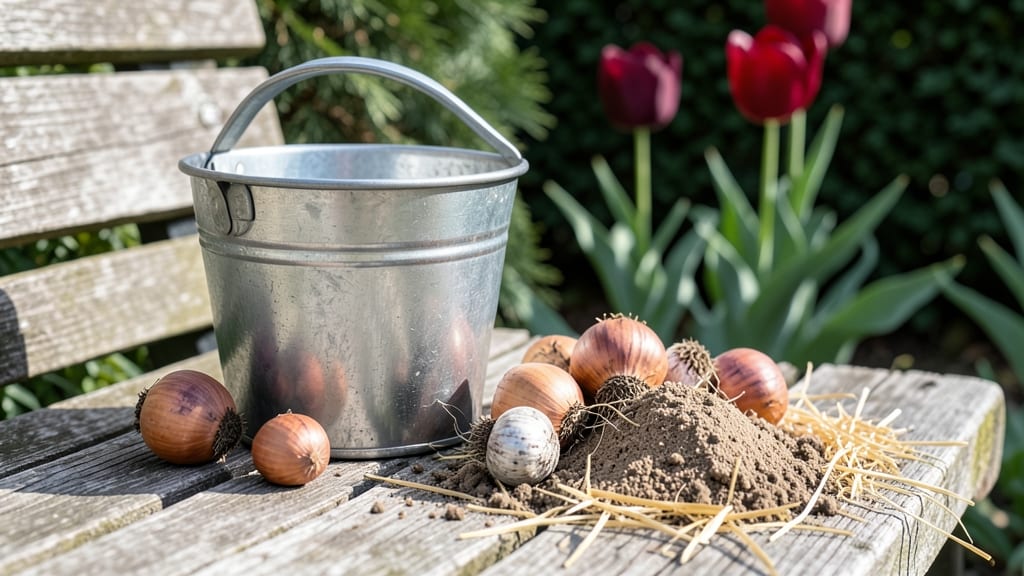
Planting tulips in Texas isn't just about grabbing bulbs and sticking them in the ground—it's about timing them perfectly to beat the heat and outsmart frost. Get it wrong, and your 🌷 could rot in summer or freeze before blooming.
But here's the secret: late September to mid-October is your golden window, especially in 8a-10b zones where temperatures swing wildly.
Why does this window matter so much? Because Texas soil stays warm well into October, and planting too early risks bulbs sprouting before winter. Too late, and frost sneaks in before roots establish.
I'll break down exactly how to nail this timing—whether you're in North Texas dealing with January freezes or South Texas where December might still feel like summer.
You'll also discover how to prep your bulbs for Texas' unique climate, from choosing frost-hardy varieties to amending heavy clay soil. Plus, I'll share the #1 mistake Texas gardeners make that kills tulips before they even bloom—and how to avoid it.
Ready to grow tulips that thrive despite Texas' unpredictable weather? Let's dive into the exact steps to plant them for zero-frost success and vibrant spring blooms.
Texas tulip planting timeline: exact dates by region (north vs. south)
Texas spans three distinct climate zones (7a-10b), and that means your tulip planting window should shift depending on whether you're in freeze-prone North Texas or milder South Texas.
In Dallas/Fort Worth (Zone 8a), aim for mid-October to early November—after soil temps drop below 60°F but before the first frost (usually November 15). Meanwhile, Austin/San Antonio (Zone 8b-9a) gardeners have until late November due to later frosts.
For Houston/Galveston (Zone 9a-10b), you’ve got the longest window—late September to mid-December—but avoid planting after Thanksgiving since bulbs need 6-8 weeks to root before winter dormancy. Even in warm zones, summer heat stress can kill bulbs if planted too early, so soil temperature is your best guide.
Use this simple rule: Plant tulips 6 weeks before your average first frost date. For example, if frost hits December 1 in your area, your deadline is October 15.
Pro tip: Check your USDA Zone and add a 4-week buffer if you’re in a high-risk zone for unpredictable cold snaps.
🌷
| Region | USDA Zone | Best Planting Window | First Frost Date | Soil Temp Goal |
|---|---|---|---|---|
| North Texas (Dallas/Fort Worth) | 8a | Mid-October to Early November | November 15 | Below 60°F |
| Central Texas (Austin/San Antonio) | 8b-9a | Late October to Late November | December 1 | Below 60°F |
| South Texas (Houston/Galveston) | 9a-10b | Late September to Mid-December | January 1 (rare) | Below 65°F |
| West Texas (El Paso/Big Bend) | 7b-8a | Early October to Mid-November | November 1 | Below 55°F |
If you’re unsure about your exact frost date, use the 60°F soil temp rule as your fallback. Stick a soil thermometer 4 inches deep—once temps stay below 60°F for 3-5 days, it’s time to plant.
This method works everywhere in Texas and eliminates guesswork. For container gardening, you can plant 2-4 weeks later since pots warm up faster but still need to cool down.
Don’t forget: Texas summers are brutal for bulbs left in the ground. If you missed the fall window, you can plant tulips in January for a winter-spring bloom, but expect smaller flowers and weaker growth. The ideal window is always fall, so mark your calendar now!
For reliable blooms, pair your planting with mulching (2-3 inches of straw or shredded leaves) to insulate bulbs during winter. This extra step can extend your planting window by 2-3 weeks in colder zones like North Texas.
🌱
One common mistake is planting too deep in heavy Texas clay. While the general rule is 6-8 inches deep, adjust to 4-6 inches deep in clay soil to prevent root suffocation.
Use a trowel to loosen soil and mix in compost or sand for better drainage. In sandy soils (common in West Texas), you can plant slightly deeper (8-10 inches) to retain moisture.
Finally, choose the right tulip varieties for Texas heat. Darwin Hybrid and Fosteriana tulips handle our climate best, while Parrot tulips may struggle in Zone 9b+. Always buy fresh bulbs from reputable nurseries—avoid pre-planted bulbs from big-box stores, as they often arrive dormant or diseased.
✂️
How to prepare tulip bulbs for Texas heat before planting
Texas summers are brutal for tulip bulbs—plant them unprepared, and they’ll shrivel before they even sprout. The key is pre-chilling and soil prep to mimic their native cool-climate needs.
Even in Zone 8-10, tulips require 6-8 weeks of cold exposure to bloom reliably. Here’s how to trick them into thinking they’re in Holland instead of Houston.
Start by buying pre-chilled bulbs from nurseries labeled “Texas-friendly.” These bulbs have already endured the required 40-50°F soil temperatures for 8-12 weeks. If you’re planting fresh bulbs, replicate this by storing them in a garage or refrigerator (not the freezer!) at 35-45°F for 8-10 weeks before planting.
Pro tip: Wrap bulbs in a damp paper towel to maintain moisture without rotting.