
Plants
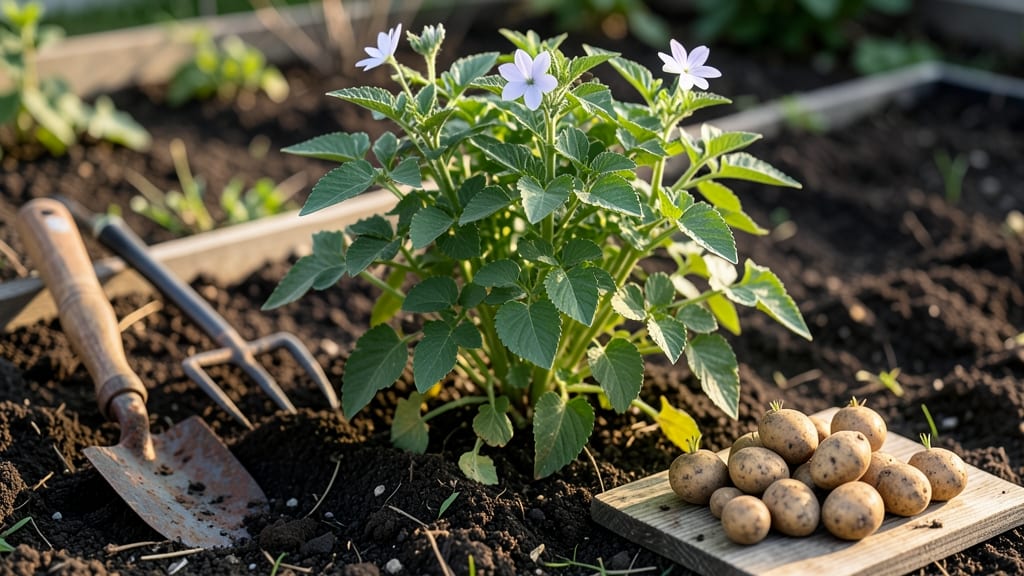
When can you plant potatoes in Texas without risking frost or wasting your growing season? The answer depends on whether you're in North Texas, where chilly nights linger, or South Texas, where winter barely slows down. Getting the timing right means the difference between a bountiful harvest of 🥔 and a sad, half-grown crop.
For gardeners in USDA zones 8a-8b, late February to early March is your sweet spot—just as the soil warms but before the last frost (usually around March 15).
Down in zones 9a-10b, you’ve got flexibility: plant in October or November for a winter harvest, or even stretch it into January for an early spring crop. But here’s the catch: Texas’ microclimates mean your neighbor’s perfect timing might not work for you.
I’ll break down the exact planting windows for your region, plus pro tips to extend your season—whether you’re using cold frames, frost-resistant varieties, or container gardening in urban areas. No more guessing games, just data-backed advice to help your 🥔 thrive in Texas’ unpredictable climate.
Ready to dig in? Let’s map out your ideal planting schedule, so you can enjoy homegrown spuds from spring to fall—no matter where you are in the Lone Star State.
Texas potato planting zones by last frost date (with microclimate adjustments)
Texas spans USDA zones 7-11, meaning your potato planting window depends heavily on where you live. In North Texas (Zones 8a-8b), like Dallas or Fort Worth, your last frost typically arrives between February 15 and March 15.
Meanwhile, South Texas (Zones 9a-10b), including Houston and San Antonio, rarely sees frost—making fall planting ideal.
Even within these regions, microclimates matter. Hill Country areas like Austin may experience 5-10°F colder nights than nearby cities, while coastal zones like Corpus Christi stay frost-free year-round. Always check your local frost dates using the Texas A&M AgriLife Extension for precision.
For North Texas gardeners, aim to plant seed potatoes 4-6 weeks before your last frost date. This means late February to early March for most areas. In South Texas, plant in October or November for a winter harvest, avoiding the hottest summer months when potatoes struggle.
Here’s how Texas regions compare for potato planting:
| Region | USDA Zone | Last Frost Date | Ideal Planting Window | Harvest Window | Key Microclimate Tip |
|---|---|---|---|---|---|
| North Texas (Dallas, Fort Worth) | 8a-8b | Feb 15 - Mar 15 | Late Feb - Early Mar | April - June | Use row covers if frost lingers |
| Hill Country (Austin, San Marcos) | 8a-8b | Feb 20 - Mar 10 | Early Mar | May - July | Soil warms slower; wait for 60°F+ soil |
| East Texas (Tyler, Longview) | 8a-8b | Feb 10 - Mar 5 | Late Feb - Early Mar | April - June | Humidity increases disease risk; space plants wider |
| Panhandle (Amarillo, Lubbock) | 7b-8a | Mar 1 - Mar 31 | Early Mar - Mid-Apr | June - August | Dry climate; mulch heavily to retain moisture |
| South Texas (Houston, San Antonio) | 9a-10b | Dec 1 - Jan 31 | Oct - Nov (Fall) | Feb - April | No frost risk; plant early varieties for winter harvest |
| Coastal Bend (Corpus Christi) | 9a-9b | Dec 15 - Jan 15 | Sep - Oct | Jan - Mar | Salty soil; amend with compost before planting |
If you live in a transition zone (like between Austin and San Antonio), err on the side of planting 1-2 weeks later than the recommended window. Cold air pools in low-lying areas, so elevated beds or slopes warm up faster and are safer for early planting.
For urban gardeners in containers, adjust your timeline by 2-3 weeks earlier than in-ground planting. Containers heat up faster in Texas sun, giving you a slight edge on the growing season. Just ensure your pots have drainage holes to prevent rot.
Pro tip: Use the 50°F soil temperature rule as your final check before planting. Stick a thermometer 4 inches deep—if it’s below 50°F, wait a few more days. Cold soil slows germination and invites rot.
🌱
How to extend your Texas potato growing season (cold frames, row covers, and early varieties)
Texas’s long, hot summers and unpredictable frost dates make timing critical for potato success. But with the right strategies, you can push planting windows earlier or later—whether you’re in North Texas’s Zone 8a or South Texas’s Zone 10a. The key? Cold-hardy varieties, protective structures, and smart scheduling.
For earlier spring plantings (as early as January in North Texas), opt for cold-tolerant varieties like Red Pontiac or Yukon Gold. These can handle light frosts (28°F) better than delicate Russet potatoes.
Pair them with row covers or black plastic mulch to insulate soil and accelerate warming.
For fall/winter harvests (ideal in South Texas), plant late-season varieties like Kennebec in October to harvest before first frost (typically November 15). Use straw mulch to protect tubers from temperature swings.
🌱 3 Proven Ways to Extend Your Texas Potato Season
- 📅 Cold Frames – Extend spring planting by 4-6 weeks using DIY cold frames (clear plastic + wood). Add straw mulch for insulation.
- 🛡️ Row Covers – Use floating row covers to protect seedlings from 25°F temps. Secure edges with bricks or soil to prevent wind damage.
- 🌡️ Soil Warming – Lay black plastic mulch 2 weeks before planting to raise soil temps by 10-15°F in North Texas.
💡 Cost-Saving Tip: Repurpose old windows or plastic sheeting for cold frames instead of buying new materials.
If you’re in East Texas (Zone 8b), aim for March 1 planting with row covers until April 15 to avoid late frosts. In West Texas (Zone 8a), delay until mid-April unless you use straw bale insulation around plants.
For container gardening (ideal for urban areas), choose bush varieties like Red LaSoda and plant in 5-gallon pots with well-draining mix. Move containers to shaded areas during 100°F+ heat to prevent bolting.
Always chit your seed potatoes (sprout indoors for 4-6 weeks before planting) to jumpstart growth in cooler Texas springs. This trick adds 2-3 weeks to your effective growing season.