
Plants
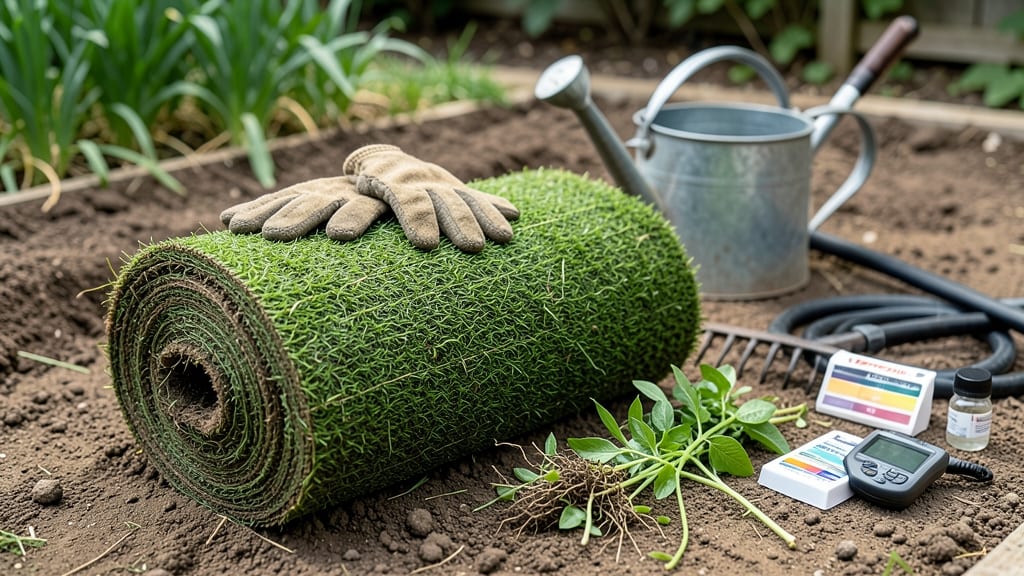
If you've ever planted Bermuda Grass 🌱 in Texas only to watch it struggle through the summer heat, you're not alone—timing is the key to a lush, drought-resistant lawn.
The best time to plant Bermuda Grass in Texas isn't just about the calendar; it's about soil temperatures, regional microclimates, and avoiding those brutal early-summer heatwaves that can fry young roots.
In Texas' 8a-10b zones, late spring to early summer (April through June) is your sweet spot, but there's a critical window where soil hits that perfect 65°F threshold—warm enough to spark germination without overheating.
Whether you're in North Texas or South Texas, getting this right means the difference between a lawn that thrives and one that fights for survival.
I've seen firsthand how a few weeks off can turn a promising lawn into a patchy mess, especially when summer hits. The good news?
With the right preparation—soil prep, watering schedules, and heat management—you can plant Bermuda Grass at the optimal time and watch it establish deep roots that beat the Texas heat. Let's break down exactly when and how to do it right.
From North Texas' cooler springs to South Texas' earlier warm-ups, we'll cover the exact months that work best in your area. Plus, I'll share the most important steps to avoid common mistakes that ruin even the best-laid plans. Ready to transform your lawn from struggling to stunning?
Optimal planting months for Bermuda grass in Texas by region
Texas' vast size means North Texas and South Texas experience wildly different climates, so planting Bermuda grass at the wrong time can spell disaster.
In North Texas (USDA Zones 8a-8b), where winters linger longer, aim for late April to early May—after the last frost and when soil temperatures hit 65°F (18°C).
Meanwhile, Central Texas (Zones 8b-9a) can start as early as mid-April, while South Texas (Zones 9a-10b) thrives with plantings from March to early June, thanks to milder winters.
Why the difference? Bermuda grass is a warm-season grass that goes dormant in cooler months. Planting too early in North Texas risks frost damage, while waiting too late in South Texas means your lawn won’t establish strong roots before summer’s brutal heat.
The key is soil temperature, not just calendar months—use a soil thermometer to confirm 65°F+ before planting.
Here’s how Texas’ regions break down for peak planting windows, soil conditions, and temperature thresholds to ensure your Bermuda grass develops deep, drought-resistant roots:
If you’re in East Texas (like Houston or Tyler), you can push planting to early June—just ensure your grass gets 1-1.5 inches of water weekly to combat humidity.
For West Texas (El Paso, Lubbock), stick to late April to May; the dry heat can stress young seedlings if planted too early.
Pro tip: June plantings work in South Texas if you use sod instead of seed. Sod establishes faster and handles summer heat better, but seeds planted in June may struggle to root before the first 95°F+ (35°C) heatwave.
Always prioritize root depth—aim for 3-4 inches of roots before summer’s peak.
Timing isn’t just about months—it’s about microclimates. A shady backyard in Dallas might need a 2-week delay compared to a full-sun exposure area. Use a weather app with soil temp alerts (like Weather Underground) to track local conditions.
Once you’ve nailed the planting window, the next critical step is soil preparation. Skipping this can leave your Bermuda grass weak, prone to weeds, and struggling to outcompete native grasses like Bahia or St. Augustine.
We’ll cover 5 non-negotiable prep steps in the next section to ensure your lawn takes hold like a pro.
Remember: Bermuda grass spreads aggressively once established, but a poor start means years of patchy growth. Don’t rush—wait for the perfect window, and your lawn will reward you with dense, heat-loving turf by summer’s end. 🌱
Optimal planting months for Bermuda grass in Texas by region
Texas’ diverse climate zones mean your Bermuda grass planting window depends heavily on where you live. North Texas faces cooler springs, while South Texas can plant earlier due to warmer soils.
The ideal soil temperature for germination is 65°F (18°C)—so timing your plant date around this threshold is critical for deep root establishment.
In North Texas (USDA Zones 8a-8b), where last frosts often linger until mid-to-late March, wait until late April to early May to plant. Central Texas (Zones 8a-9a) can start as early as mid-April, while South Texas (Zones 9b-10b) enjoys a March to April window.
Planting too early risks seed rot from lingering cool soils.
Here’s how Texas’ three regions break down for peak Bermuda grass planting success:
| Region | Last Frost Date | Best Planting Window | Soil Temp Threshold | Key Risk |
|---|---|---|---|---|
| North Texas | Mid-to-late March | Late April–Early May | 65°F (18°C) | Early planting = seed rot |
| Central Texas | Early-to-mid March | Mid-April–Late May | 65°F (18°C) | Drought stress in June |
| South Texas | Late February–Early March | March–Early April | 65°F (18°C) | Overwatering in humid summers |
For maximum drought resistance, aim to plant 4-6 weeks before summer’s peak heat. This gives roots time to establish before Texas’ 100°F+ temperatures arrive. In North Texas, this means late May planting; in South Texas, early April is ideal.
Always check a 7-day soil temperature forecast before planting to avoid surprises.
Pro tip: Use a soil thermometer to confirm temperatures. If your soil isn’t at 65°F (18°C) yet, wait—rushing leads to poor germination. Patience now means a thicker, greener lawn by summer.
Once planted, Bermuda grass spreads aggressively in Texas’ heat, but only if roots are deep. The first 30 days are critical—keep soil moist but not soggy, and avoid heavy foot traffic until you see 2-3 inches of new growth.