
Flowers
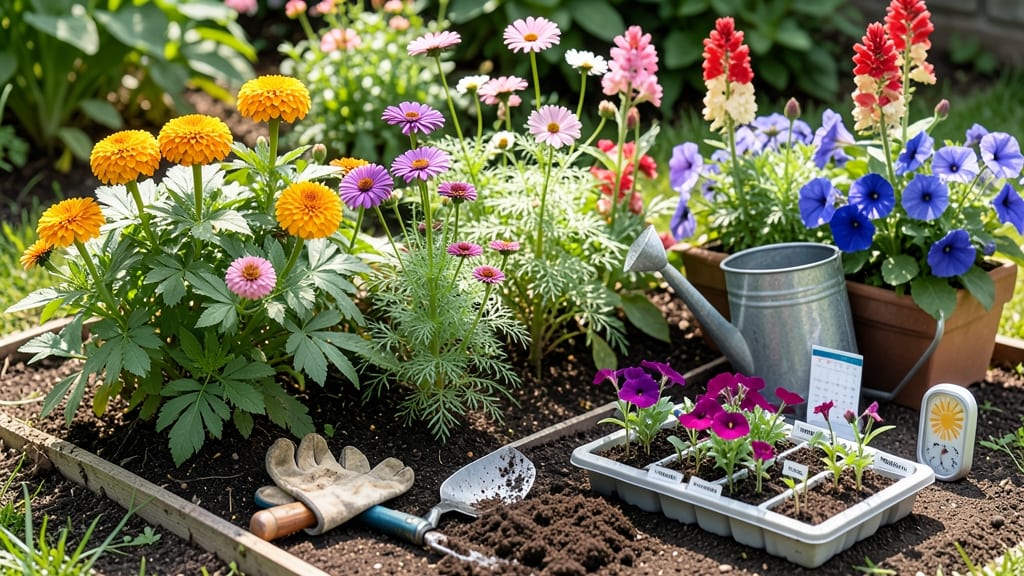
Timing your flower seeds planting in Missouri isn’t just about throwing seeds into the dirt—it’s about catching the perfect window between frost dates and summer’s relentless heat. With USDA zones 5b-6b and unpredictable spring weather, one wrong move could mean wilting blooms before they even show their faces.
I’ve spent years watching Missouri gardens thrive (and flop) based on planting schedules, and the key is knowing when to start seeds indoors versus direct sowing outdoors.
Whether you’re a seasoned gardener or just dipping your toes into the soil, getting this right means the difference between a vibrant summer garden and a sad, half-dead patch of dirt.
This guide breaks down the exact frost-date calendar you need, from early March starts to late-May direct sowing, plus how to adjust for your specific corner of Missouri.
We’ll also cover the best flowers for your zone—annuals that bloom fast and perennials that come back year after year—so you can plan like a pro.
Ready to turn your Missouri garden into a blooming masterpiece? Let’s get those 🌸 flower seeds in the ground at the right time—and keep them thriving all season long.
Missouri’s frost-date planting zones: when to start flower seeds indoors vs. outdoors
Missouri’s USDA zones 5b-7a mean frost dates can shift by 2-3 weeks between northern (St. Louis) and southern (Springs) regions. For northern Missouri, the average last frost arrives around April 15, while southern areas see it by April 1.
These dates signal when to transition from indoor seed starting to outdoor planting—but microclimates (like urban heat islands) can push timelines earlier.
Start cool-season flowers like pansies and snapdragons indoors 8-10 weeks before your last frost date. For northern Missouri, that’s mid-February, while southern gardeners can begin early February.
Warm-season favorites like marigolds and zinnias need to wait until soil warms to 60°F, typically mid-May in the north and early May in the south.
🌱 Missouri Flower Seed Planting Timeline
| Zone/Region | Last Frost Date | Indoor Start (Cool Flowers) | Outdoor Planting Window | Direct Sow Warm Flowers |
|---|---|---|---|---|
| Northern MO (5b) | April 15 | Mid-February | April 20–May 10 | May 15–June 1 |
| Central MO (6a) | April 1 | Early February | March 25–April 15 | April 20–May 10 |
| Southern MO (7a) | March 15 | Late January | March 10–April 5 | April 1–April 20 |
💡 Pro Tip: Adjust for urban areas—concrete absorbs heat, pushing last frost dates 1-2 weeks earlier.
For direct sowing outdoors, prioritize cold-hardy annuals like cosmos and larkspur as soon as soil is workable (40°F). These can handle light frosts and often self-seed reliably. In contrast, tender perennials like black-eyed Susans should wait until after May 10 in northern zones to avoid transplant shock.
Missouri’s first frost typically arrives October 15, but fall planting for cool-season flowers (e.g., pansies, calendulas) should begin 8-10 weeks before your first frost.
Southern Missouri gardeners can extend this to November 1 with row covers, while northern areas should finish by September 15 to ensure blooms before winter.
Use local weather stations (like the Missouri Climate Center) to track soil temperatures—a soil thermometer is your best tool. For example, basil seeds need 70°F soil to germinate, while nasturtiums thrive in 50°F. Planting too early in cold soil delays germination by weeks.
If you’re in a transition zone (like Columbia or Kansas Citycaution. Start seeds indoors 2 weeks earlier than the average last frost date, and use row covers to protect seedlings if late frosts threaten. This buffer ensures you’re not scrambling to replant after a late April freeze.
For container gardening, remember that pots warm up faster than soil—plant 2 weeks earlier than ground planting dates. However, containers also dry out quicker, so water consistently and use self-watering pots for seedlings.
My balcony garden in St. Louis blooms 3 weeks earlier than ground-planted flowers because containers absorb heat from the building.
Missouri’s variable weather means even the most precise planting timeline can go awry. Keep a gardening journal to track your local frost dates—over 3-5 years, you’ll spot patterns (e.g., 2023’s late frost delayed planting by 10 days).
This data helps you adjust future seasons without relying solely on averages.
Finally, don’t overlook fall planting for biennials like foxglove or hollyh
Best flower seeds to plant by month in Missouri (with frost-resistant picks)
Missouri’s spring planting season kicks off in March, but not all flowers thrive when planted at the same time. Some, like snapdragons and cosmos, tolerate cooler soils, while others, such as marigolds and zinnias, need warmer temperatures to sprout.
Understanding these preferences ensures your garden blooms earlier and longer.
For annual flowers, start with cold-hardy varieties in early spring (March-April) and transition to heat-loving picks by late spring (May). Perennials, like coneflowers and black-eyed Susans, can often be direct-sown in early spring or fall for year-round color.
Here’s a month-by-month breakdown of the best flower seeds to plant in Missouri, including frost-resistant picks and ideal planting windows for succession planting:
Start cold-hardy seeds indoors: snapdragons, pansies, calendulas. Direct-sow hardy annuals like lupines and sweet peas if soil is workable.
Transplant indoor seedlings (e.g., petunias, geraniums) after last frost. Direct-sow cosmos, nasturtiums, and sunflowers (taller varieties).
Plant heat-loving annuals: zinnias, marigolds, portulaca. Succession-sow basil flowers (e.g., cleome) every 2 weeks for continuous blooms.
Sow fall-blooming annuals: pansies, snapdragons, stock. Direct-sow perennials like coreopsis for next spring’s color.
Plant bulbs for spring (e.g., tulips, daffodils) and winter-hardy annuals like stock and sweet alyssum.
Pro tip: Use succession planting for long-blooming flowers like zinnias or sunflowers. Sow new seeds every 2-3 weeks in May-June to extend your garden’s seasonal display until frost. For example, plant cosmos seeds in early May, then again in late June for fall color.
Missouri’s fall planting (August-September) is often overlooked but ideal for perennials and cool-season annuals. These plants establish roots before winter, giving them a head start in spring. For instance, black-eyed Susans sown in September will bloom earlier and more vigorously the following year.
Always check your local frost dates—northern Missouri (e.g., St. Joseph) may have a later last frost (mid-May) than southern regions (e.g., Sedalia, early April). Adjust your planting timeline accordingly to avoid frost damage or missed blooms.