
Plants
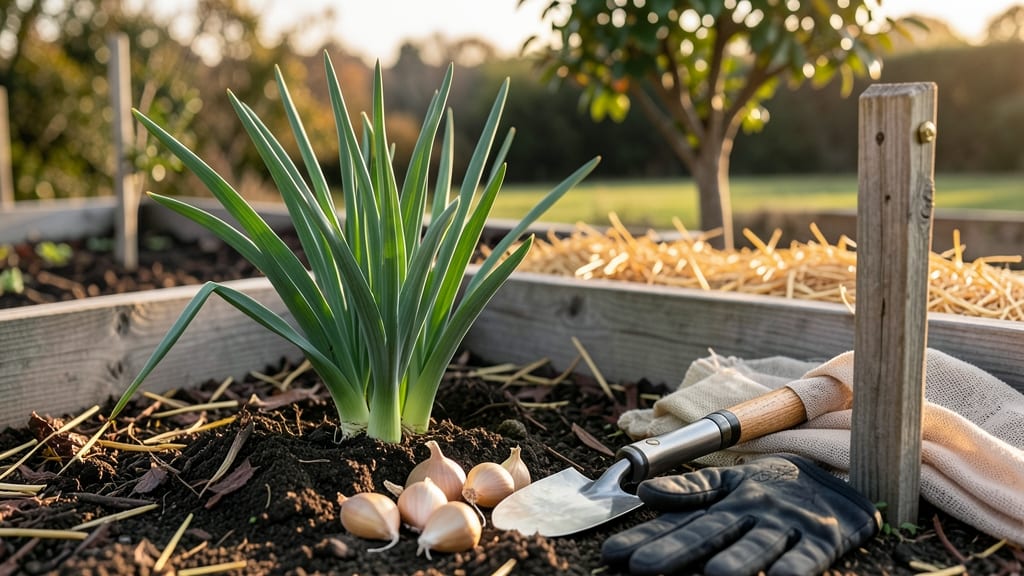
The perfect time to plant garlic in North Carolina depends on your zone—but getting it right means the difference between plump, flavorful bulbs and disappointing harvests.
Whether you're in the mountains or Piedmont, fall planting (October–November) is your best bet for a late spring harvest, but spring planting (February–March) works too if you adjust for your microclimate.
Here’s the key: plant garlic 4–6 weeks before the ground freezes in fall or 4–6 weeks before your last frost in spring. That timing ensures strong root growth before winter dormancy.
In NC’s 6a–8b zones, this usually lands in October for most gardeners, but mountain regions (like Zone 6a) may need to shift earlier to avoid early freezes.
Why does timing matter so much? Garlic thrives on cool weather—too early, and your cloves may rot; too late, and you’ll miss the sweet spot for bulb development.
I’ll walk you through zone-specific strategies, soil prep tips, and how to troubleshoot common mistakes so you can grow hardy, high-yielding garlic no matter where you are in the state.
Ready to turn your garden into a garlic powerhouse? Let’s dive into the climate-smart planting schedule that’ll have you harvesting bold, flavorful bulbs by next summer.
Optimal North Carolina garlic planting months by growing Zone
North Carolina’s diverse climate—from the cool Appalachian mountains to the humid coastal plains—means your garlic planting window varies by USDA zone. For hardneck varieties (best for cold zones), aim for October to November, while softneck varieties (warmer zones) can handle December planting.
The key is planting 4-6 weeks before the ground freezes, ensuring cloves root before winter sets in.
In Zone 6a (mountains), like Asheville, plant mid-October to early November—soil temps should dip to 40-50°F by winter. For Zone 7b (Piedmont), such as Raleigh, late October to mid-November works best. Coastal areas in Zone 8b (Wilmington) can extend planting to early December due to milder winters.
Spring planting is riskier but possible in Zone 8b. Plant February to early March for a summer harvest, but yields may be smaller. Always test soil temperature—ideal planting soil should be 40-50°F.
Here’s a quick reference for your zone:
| Zone | Best Planting Window | Soil Temp Goal | Variety Recommendation |
|---|---|---|---|
| 6a (Mountains) | Mid-October to Early November | 40-50°F | Hardneck (e.g., 'German White', 'Music') |
| 7a-7b (Piedmont) | Late October to Mid-November | 45-55°F | Hardneck or Softneck (e.g., 'Silverskin') |
| 8a-8b (Coastal) | Early November to Early December | 50-60°F | Softneck (e.g., 'Artichoke', 'Creole') |
For soil prep, work in compost or aged manure 2-3 weeks before planting to improve drainage. Garlic hates soggy soil, so amend clay-heavy areas with sand or perlite. Choose a sunny spot with 6+ hours of light, as partial shade delays bulb development.
Pro tip: Use a soil thermometer to confirm temps. If soil is above 60°F, wait—garlic cloves may sprout too soon and rot. In Zone 8b, cover beds with straw mulch after planting to insulate roots during warm spells.
Spring planting? Only try it in Zone 8b with row covers to protect young shoots from late frosts. Harvest timing shifts to July-August instead of spring, but bulbs may be smaller.
🌱
5 Signs you’re planting garlic at the wrong time in NC
Planting garlic at the wrong time in North Carolina can lead to wasted cloves, poor yields, or even fungal diseases. Here’s how to spot red flags before it’s too late.
The key is understanding your soil temperature, moisture levels, and daylight exposure—all of which shift dramatically across NC’s zones.
First, if your soil temperature is above 70°F when planting, your garlic cloves may sprout too quickly, leading to weak roots. Use a soil thermometer to check—ideal temps are between 40°F and 60°F.
In Zone 8b (like Raleigh or Charlotte), this means waiting until late October or early November to avoid overheating.
If your garlic sprouts before winter, it weakens the bulb. In Zone 6a (mountains), this happens if planted in September. Wait until October 15–November 1 for best results.
Another warning sign is premature sprouting indoors. If your cloves start growing green shoots while stored, they’ve been exposed to too much warmth or light.
Store them in a cool, dark place (like a mesh bag in the fridge) until planting. Hardneck varieties (like ‘Music’ or ‘Silverskin’) are more sensitive to this than softnecks.
Watch for fungal risks like white mold or basal rot, which thrive in wet soil or overcrowded beds. If you plant in December or later, the ground may stay too wet, creating the perfect conditions for rot.
In Zone 7b, aim to finish planting by November 15 to avoid this.
Finally, if your garlic stops growing in early spring (March–April) and the leaves turn yellow too soon, you likely planted too late. Garlic needs 60–80 days of cool weather to form bulbs. Adjust your timing by checking your last frost date—plant 4–6 weeks before the ground freezes.
Missed the window? Don’t panic! You can still try spring planting (February–March), though yields may be smaller. Use row covers to protect from late frosts and focus on softneck varieties, which tolerate warmer soils better.