Plants
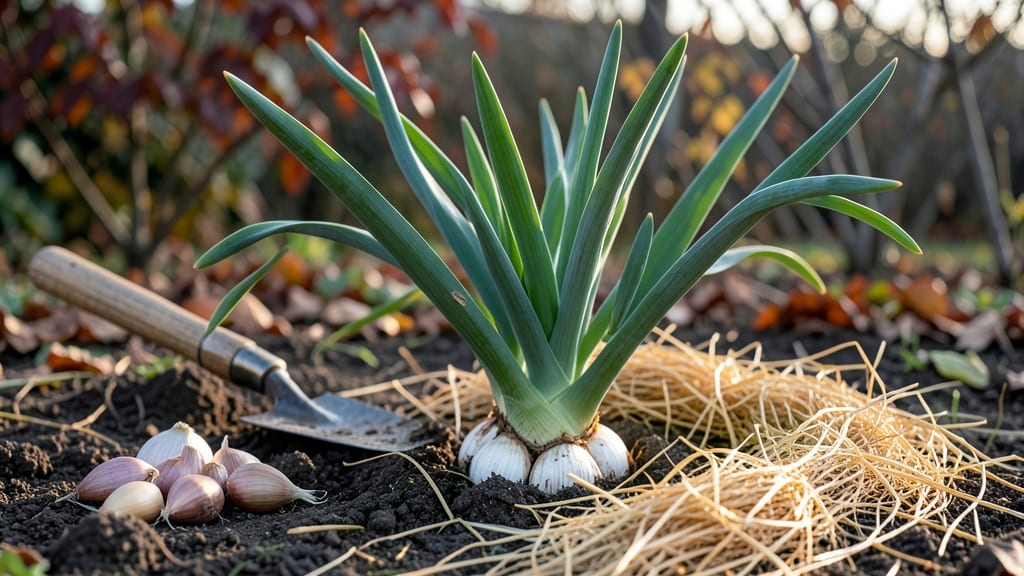
Planting garlic in Colorado at the wrong time could mean the difference between a bumper crop of 🧄 and a wasted season—especially when hardneck and softneck varieties demand different timing.
The key window for most Colorado gardeners in USDA Zones 5-7 is September through October, but getting it right requires understanding frost dates, elevation shifts, and whether you're growing for cold-hardy hardnecks or milder-climate softnecks.
I’ve seen firsthand how a two-week delay in planting can shrink your harvest—or worse, leave you with nothing. Colorado’s unpredictable weather, from early mountain frosts to late-spring snow, adds another layer of complexity.
But don’t stress: with the right prep and timing, you can maximize your yield whether you’re in Denver’s urban gardens or rural high-altitude farms.
In this guide, I’ll break down the exact months to plant for both hardneck and softneck garlic, including how to adjust for Colorado’s microclimates. You’ll also learn soil prep secrets that make all the difference in Zone 5-7 and how to spot common mistakes before they derail your crop.
Ready to grow garlic that thrives? Let’s dive into the timing, soil, and variety strategies that’ll have you harvesting plump bulbs next summer—no guesswork required.
Best planting months for garlic in Colorado: hardneck vs softneck breakdown
Colorado’s cold winters and variable elevations make garlic planting a precise science. Unlike many crops, garlic thrives when planted in fall—but the exact timing depends on whether you’re growing hardneck (best for cold climates) or softneck varieties.
For Colorado gardeners in USDA Zones 4-7, the window is narrow: aim for 6-8 weeks before the ground freezes, typically between mid-September and mid-October.
Hardneck varieties—like Rocky Mountain or German White—are Colorado’s superstars. They need cold vernalization (a period of winter chill) to form bulbs. Softneck types, such as Silverskin, tolerate milder winters but struggle in high-altitude areas like Denver (Zone 5) or Leadville (Zone 4).
The key? Plant hardnecks by October 15th in most of the state, while softnecks can stretch until November 1st in lower elevations.
Altitude throws a wrench into timing. In Boulder (Zone 6), the frost date is October 20th, leaving just 6 weeks for planting. Meanwhile, rural areas like Grand Junction (Zone 6b) can plant until November 10th due to later frosts.
Use your local CoCoRaHS frost data or Colorado State University’s frost maps to pinpoint your exact window.
🌱
| Factor | Hardneck Garlic (Cold-Hardy) | Softneck Garlic (Milder Climates) |
|---|---|---|
| Best Planting Month | September 15 – October 15 | October 1 – November 1 |
| Soil Temp Requirement | 40–50°F (4–10°C) | 50–60°F (10–15°C) |
| Frost Tolerance | Survives -20°F (-29°C) | Survives -10°F (-23°C) |
| Elevation Adjustment | Plant 2 weeks earlier above 7,000 ft | Avoid above 6,000 ft |
| Moon Phase Tip | Rooting moon (waxing crescent) | Rooting moon preferred |
| Harvest Window | July 15 – August 15 | July 1 – August 10 |
Don’t fret if you miss the fall window—spring planting is an option, but yields are 50% smaller. If you plant in March, use smaller cloves (they sprout faster) and expect harvests by July.
However, spring-planted garlic lacks the bold flavor of fall-planted bulbs, so it’s best for cooking rather than braiding or storing.
Pro tip: Use the "100-day rule"—count back 100 days from your average last frost date (check Almanac.com for your city). For example, in Fort Collins (Zone 5), with a May 10th last frost, plant by February 1st for a spring harvest.
But remember: fall planting is always better for flavor and bulb size.
Colorado’s dry climate means garlic needs consistent moisture after planting. Water deeply once a week until the ground freezes, then let nature take over. Mulch with straw or leaves to insulate bulbs during winter—this is non-negotiable in areas like Grand Junction, where temps can drop below -10°F (-23°C).
🌿
One last trick: If you’re unsure about timing, plant a test row in late September. Monitor for sprouting—if cloves sprout before frost, you’ve got time. If not, wait 2 weeks and try again.
This trial-and-error method works surprisingly well in Colorado’s unpredictable microclimates, where a 5-mile elevation change can shift frost dates by 2 weeks.
✂️
Best planting months for garlic in Colorado: hardneck vs softneck breakdown
Colorado’s cold winters and high-altitude zones make garlic planting a precision task. Hardneck varieties—like ‘German White’—thrive in our USDA Zones 4-6, while softneck types (e.g., ‘Artichoke’) suit milder Zone 7 areas.
The key? Planting 4-6 weeks before the first hard frost, typically mid-September to early October for most regions.
For Denver and Front Range gardeners (elevation 5,000–7,000 ft), aim for late September. In high-altitude zones (7,000+ ft), like Boulder or mountain towns, shift to early September—frost arrives sooner.
Softneck garlic can tolerate later planting (October), but hardnecks need that cold vernalization to form bulbs.
| Variety | Best Planting Window | Colorado Regions | Key Notes |
|---|---|---|---|
| Hardneck (e.g., Rocambole, German White) | Late Aug–Early Oct | Zones 4–6 (Denver, Fort Collins, rural areas) | Needs cold winter for bulb formation |
| Softneck (e.g., Artichoke, Silverskin) | Early–Mid Oct | Zones 6–7 (Colorado Springs, Pueblo) | Tolerates milder winters; longer storage life |
| Spring-Planted Garlic | Early March | All regions (smaller bulbs) | Risk of bolting in hot summers; best for greens |
Miss the fall window? You can still plant in early March, but expect smaller bulbs and higher bolting risk (premature flowering). For high-elevation gardens, use row covers to extend the season—just remove them before spring growth begins.
Pro tip: Check your local frost dates (e.g., Colorado State University’s frost calculator) and adjust. Soil temps should be below 50°F at planting—use a soil thermometer to confirm. For urban gardeners, container-grown garlic in black pots warms up faster, so plant 1–2 weeks earlier.
Moon phases matter too! Plant during the waning moon (after the full moon) for stronger roots. Pair your garlic with companion plants like marigolds or onions to deter pests—critical in Colorado’s dry, windy conditions.
Harvest timing follows: July–August of the next year, when lower leaves brown and bulbs firm up. But get the planting window wrong, and you’ll miss the cold vernalization hardnecks need—or risk softnecks bolting in our hot summers.
Timing isn’t just a suggestion; it’s your ticket to a bountiful harvest.