
Plants
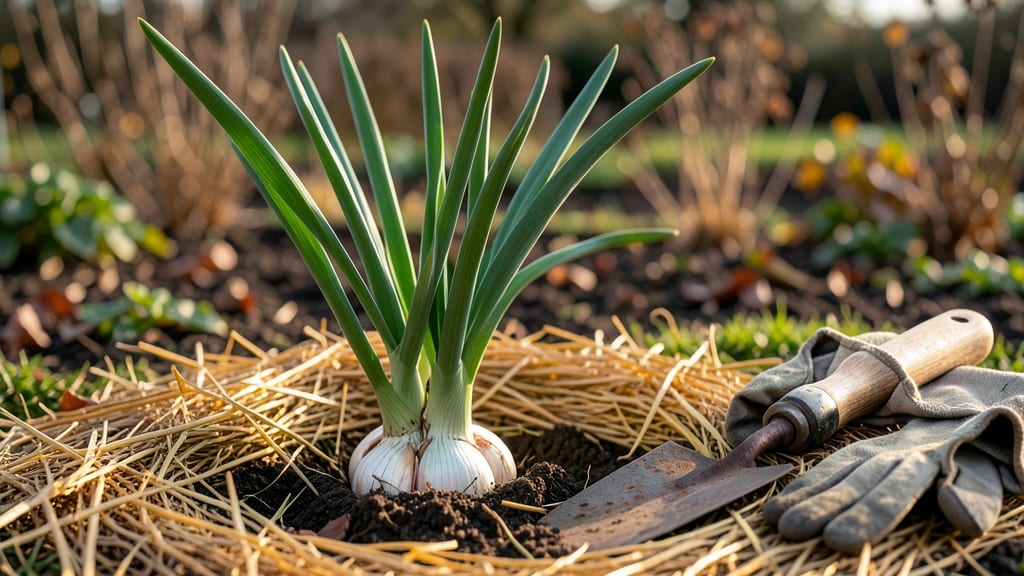
Planting garlic in Tennessee at the right time could mean the difference between homegrown bulbs that put store-bought to shame and a wasted season. The fall window—typically between October and November—is your golden opportunity, but getting it wrong means weak growth or no harvest at all.
With Tennessee’s USDA zones 6a-7b, you’ve got the perfect climate for growing 🧄, but timing matters. Hardneck varieties thrive here, offering those prized scapes, while softneck types store longer—but both need the right start.
I’ll break down exactly when to plant, how to prep your soil, and which variety suits your garden best.
Miss the 4-6 week pre-freeze rule, and your garlic might not establish strong roots before winter. Too early, and it’ll sprout too soon; too late, and frost could damage cloves. Let’s make sure your fall planting sets you up for a late June-July harvest that’s worth the wait.
Whether you’re a first-time grower or a seasoned gardener, these insights will help you avoid common mistakes. From mulching tips to recognizing when your garlic is ready to pull, I’ve got you covered for a bountiful harvest next summer.
Tennessee’s fall garlic planting deadline: exact dates by region
Garlic thrives in Tennessee’s USDA Zones 6a-7b, but the 4-6 week pre-freeze rule is your golden window. Plant too early, and cloves rot; too late, and they won’t establish roots before winter. Here’s how to pinpoint your last planting date by region.
Most Tennessee gardens aim to plant garlic between October 1st and November 15th. However, your exact deadline depends on whether you’re in East Tennessee’s cooler highlands, Middle Tennessee’s valleys, or West Tennessee’s warmer plains. The key is soil temperature: cloves need 40-50°F soil to sprout.
Use the National Weather Service’s frost predictions for your area. In East Tennessee (Zone 6a), the average first hard frost hits October 20th-30th, so your last planting date is September 20th-October 10th.
In Middle Tennessee (Zone 6b-7a), frost arrives November 5th-15th, giving you until October 15th-November 1st.
For West Tennessee (Zone 7b), where winters are milder, you can plant until November 15th-20th. Check your local cooperative extension office for microclimate adjustments—valleys freeze faster than ridges, and urban areas may have 5°F warmer soil.
🌱
| Region | USDA Zone | Avg First Frost | Last Planting Date | Soil Temp Goal |
|---|---|---|---|---|
| East Tennessee | 6a | Oct 20-30 | Sep 20-Oct 10 | 40-45°F |
| Middle Tennessee | 6b-7a | Nov 5-15 | Oct 15-Nov 1 | 45-50°F |
| West Tennessee | 7b | Nov 15-25 | Nov 1-15 | 50°F+ |
*Adjust 1-2 weeks earlier for high-altitude gardens (e.g., Great Smoky Mountains).
If you miss the fall window, you can try spring planting (March-April), but yields will be 30-50% smaller. Spring garlic lacks the cold stratification needed for bulb development. For best results, stick to fall and plan for a late June-July harvest the following year.
Pro tip: Use a soil thermometer ($10 at garden centers) to confirm soil temps. If temperatures dip below 40°F, delay planting until conditions stabilize. Mulch heavily with straw or leaves after planting to insulate cloves through winter.
Unpredictable weather? Plant 20% of your cloves 2 weeks early and the rest on your target date. This hedges against early frosts while ensuring some cloves establish roots.
✂️
Garlic planted too close to frost may still survive but produce smaller, weaker bulbs. The 6-week rule ensures roots grow before dormancy. For example, if frost hits November 15th, aim to plant by October 1st—not October 15th.
In Tennessee’s humid climate, fungal diseases like white rot thrive in soggy soil. If rain delays planting, choose a warmer microclimate (e.g., near a south-facing wall) or use raised beds for better drainage.
🌡️
Hardneck vs softneck garlic in Tennessee: which to plant and why
Choosing between hardneck and softneck garlic in Tennessee depends on your goals: scapes for cooking, storage life, or bulb size. Tennessee’s USDA zones 6a-7b favor both types, but hardneck varieties thrive better in our cooler winters, producing larger bulbs and edible scapes—a bonus for home cooks.
Hardneck garlic, like ‘Music’ or ‘Chesnok Red’, is the top pick for Tennessee gardens. These varieties require cold winters to form bulbs and produce sweet, robust scapes by June. Softneck types, such as ‘Silverskin’, store longer but struggle in Tennessee’s warmer winters and rarely produce scapes.
🌱
• Larger bulbs
• Edible scapes
• Better in cold winters
• ‘Music’ and ‘Chesnok’ top picks
• Shorter storage life
• No scapes
• Struggles in warm winters
• Stores 6-12 months
• Milder flavor
• Braids well
• Smaller bulbs
• No scapes
• Poor yield in TN
For maximum yield, stick with hardneck varieties like ‘Music’, which matures early and handles Tennessee’s variable winters well. If you prioritize long-term storage, softneck’s ‘Silverskin’ might work, but expect smaller bulbs and fewer scapes.
Pro tip: Plant hardneck garlic 6-8 weeks before the first frost (early October in most of Tennessee) to ensure proper bulb formation. Softneck can handle slightly later planting but rarely thrives here.
Harvest timing also differs: hardneck garlic is ready by late June to July, while softneck may need an extra month. Tennessee’s heat speeds up maturation, so monitor your crop closely.
🌿