
Plants
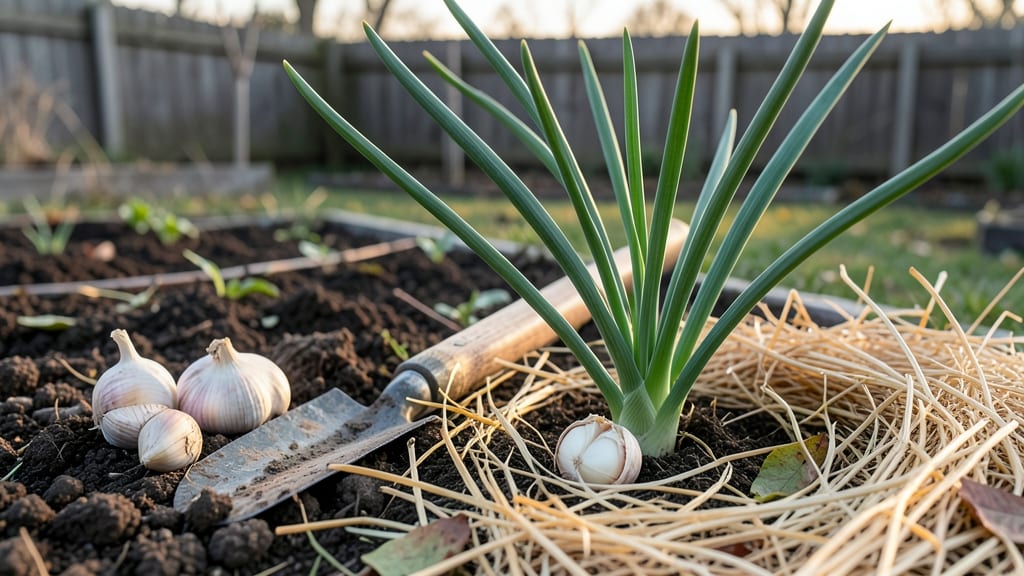
Knowing when to plant garlic in Zone 4 isn't just about picking a month—it's about outsmarting your climate's quirks. Whether you're growing hardneck or softneck varieties, timing your 🧄 harvest right means avoiding frost damage or stunted bulbs.
The key? Planting cloves 4-6 weeks before the ground freezes, usually between October and November.
Zone 4's short growing season demands precision, especially when hardneck garlic needs cold exposure to form bulbs. Skip the guesswork by aligning your planting with soil temperatures and frost dates—because a late start can leave you with puny harvests by summer.
I'll walk you through the exact window that works for both types of garlic, so you can maximize your yield without the trial-and-error.
What happens if you plant too early or too late? The difference between a thriving crop and a wasted effort comes down to these critical timing factors. You'll learn how to adjust based on your microclimate, whether you're dealing with early frosts or unexpected warm spells.
Ready to turn your garlic patch into a reliable summer staple? Let's dive into the science-backed schedule that keeps Zone 4 gardeners ahead of the game.
From soil prep to post-planting care, I'll cover everything you need to know to get your garlic off to the right start. No more second-guessing—just a clear, actionable plan tailored to your region's challenges.
Your best harvest begins with the right timing, and I've got the details to make it happen.
Zone 4 garlic planting calendar: hardneck vs softneck month-by-month breakdown
In Zone 4, where winters are cold and growing seasons short, timing your garlic planting is critical. The ideal window for planting garlic—whether hardneck or softneck varieties—falls between mid-October and mid-November.
This allows cloves to establish roots before the ground freezes, ensuring robust bulb development come summer. Spring planting is possible but risky, as Zone 4’s short frost-free season often leaves bulbs underdeveloped.
Hardneck garlic, prized for its flavorful scapes and cold-hardy nature, thrives in Zone 4’s climate. Softneck varieties, while more adaptable, require slightly more precise timing to avoid stunted growth.
Both varieties need 4-6 weeks before the first frost to root properly, making late October to early November the sweet spot for most of Zone 4. Use your average first frost date as your guide—adjust planting dates if your area tends toward earlier or later frosts.
Here’s how to align your planting with Zone 4’s seasonal rhythms, including soil temperature thresholds and variety-specific considerations:
| Month | Hardneck Garlic | Softneck Garlic | Soil Temp (°F) | Notes |
|---|---|---|---|---|
| September | Early planting possible in southern Zone 4 | Avoid; risk of premature growth | 50-60°F | Only for early-frost areas |
| October | Ideal for hardneck varieties | Best window for softneck | 40-50°F | Plant 4-6 weeks before frost |
| November | Last chance for hardneck | Acceptable if soil isn’t frozen | 35-45°F | Avoid if ground freezes quickly |
| December | Too late for hardneck | Possible in mild winters | 30-40°F | Risk of poor bulb formation |
| Spring (March-April) | Not recommended | Possible but small bulbs | 45-55°F | Harvest same year, smaller yield |
For hardneck garlic, aim to plant by mid-November at the latest. These varieties need cold stratification to develop their signature hardneck bulbs and flavorful cloves.
If you’re growing softneck garlic, which stores longer but matures slower, extend your window slightly into early December—though yields may suffer if the ground freezes prematurely.
Pro tip: Use a soil thermometer to monitor temperatures. Garlic cloves need soil between 40-50°F to root properly. If your soil is warmer than 50°F, delay planting until temperatures drop. Conversely, if soil temps are below 35°F, wait until conditions improve or risk stunted root growth.
In Zone 4, where winters can be unpredictable, mulching after planting is a game-changer. Apply 4-6 inches of straw or leaves to insulate cloves and protect them from extreme cold.
This extra layer also helps regulate soil moisture, reducing the risk of rot or desiccation during thaw cycles. Remove mulch in early spring once new shoots appear.
Spring planting is an option, but it’s a gamble in Zone 4. If you must plant in spring, do so as early as March, using only softneck varieties.
Expect smaller bulbs, as the short growing season limits maturity. For best results, stick to fall planting and enjoy larger, more flavorful harvests the following summer.
Remember, garlic planted in fall will harvest the following summer (typically July-August
Zone 4 garlic planting calendar: hardneck vs softneck month-by-month breakdown
Zone 4 gardeners face a unique challenge with garlic planting: the short growing season and cold winters demand precision. Unlike warmer climates, you can't plant garlic anytime—fall planting is critical for hardneck varieties, while softnecks offer a narrow spring window.
Let's break down the exact months and key conditions for each type to maximize your harvest.
For hardneck garlic (the preferred choice in Zone 4), the ideal planting window is mid-October to early November.
This timing ensures cloves establish roots before the ground freezes but avoid premature sprouting from early planting. Softneck garlic, though less common in Zone 4, can be planted in late March to early April for a summer harvest.
Soil temperature is your best guide: aim for 40-50°F at planting depth. In Zone 4, this typically aligns with late October for hardnecks. Use a soil thermometer to confirm—planting too early when soil is still warm can trigger early sprouting, making cloves vulnerable to frost heave.
| Variety | Ideal Planting Month | Soil Temp Requirement | Frost Consideration | Harvest Window |
|---|---|---|---|---|
| Hardneck Garlic | Mid-October to Early November | 40-50°F | Plant 4-6 weeks before hard freeze | Mid-July to Early August |
| Softneck Garlic | Late March to Early April | 50-60°F | Avoid late frosts; use row covers | Late August to September |
Zone 4's first frost date (typically mid-September) is your deadline for hardneck planting. If you miss this window, don't panic—you can still plant until early December, but bulbs may be smaller and require extra winter protection like thick mulch or straw.
For spring planting, softnecks are your only option, but expect smaller yields due to the shorter growing season.
Pro tip: Use local frost date data from your nearest USDA climate station to fine-tune your schedule. For example, gardeners in northern Zone 4 (like Minnesota) should plant 2-3 weeks earlier than those in southern Zone 4 (like Pennsylvania).
Adjust for microclimates—south-facing beds warm faster and may support a later planting.
Remember, hardneck garlic needs cold vernalization (a winter chill period) to form bulbs, while softnecks don't. This is why hardnecks thrive in Zone 4's climate—spring-planted softnecks often produce poor-quality bulbs without adequate cold exposure. Plan accordingly to avoid disappointment.