
Plants
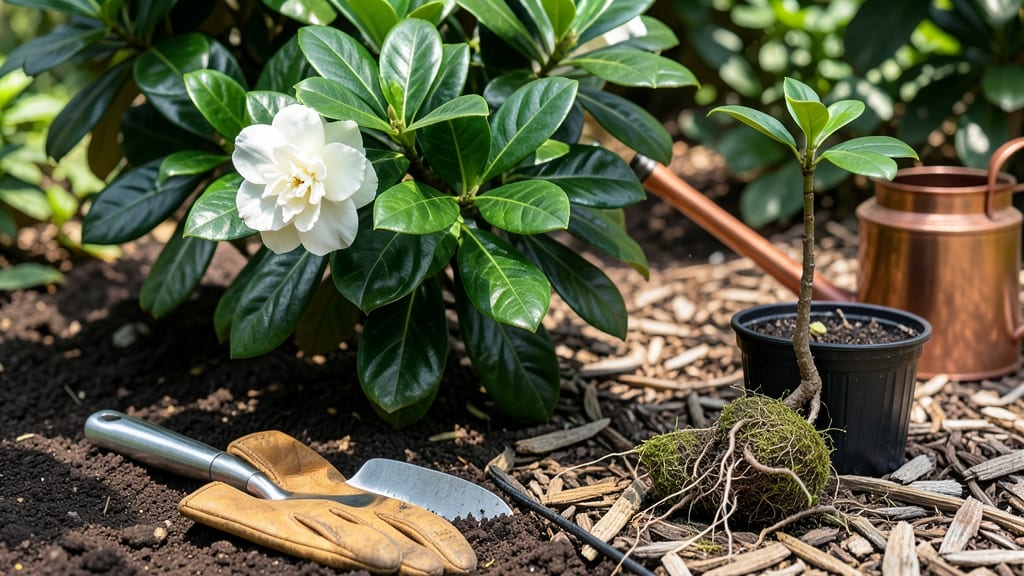
Planting gardenias at the wrong time in North Carolina can mean the difference between a fragrant, blooming shrub and a sad, frost-bitten stub. With USDA zones 7a-8b offering a narrow frost-free window, timing is everything—especially when your 🌸 gardenias are counting on you to give them the best start.
Most gardeners assume spring is the only option, but NC’s unpredictable late frosts mean planting too early can be just as risky as waiting too long.
The ideal window opens in March or April, after the last frost date (usually mid-March), when soil temperatures rise above 60°F—the magic threshold for root growth.
Why does this matter? Gardenias thrive in warm, humid conditions, and planting them too soon exposes delicate roots to lingering cold. I’ll break down the exact frost-free timeline for Raleigh, Charlotte, and Asheville, plus pro tips to avoid transplant shock in NC’s clay-heavy soil.
Whether you’re tucking a 🌸 gardenia into your yard or a container, this guide ensures your shrub gets off to a strong start—so you can enjoy those intoxicating blooms all summer long.
North Carolina’s frost-free planting zones for gardenias: when to plant by region
North Carolina’s USDA Zones 7a-8b create a 210-day frost-free window—perfect for gardenias—but timing varies by region. Planting too early risks late frosts, while waiting too long may stunt root establishment before summer heat arrives. Let’s break down the exact planting windows for NC’s most popular gardening regions.
In Zone 7a (mountains like Asheville), aim for mid-April to early May after the last frost date, which typically falls around April 15th. Meanwhile, Zone 8a-8b (Raleigh, Charlotte) can plant as early as late March, once soil temperatures hit 60°F+.
Soil temperature is critical—gardenias won’t thrive in cold soil. Use a soil thermometer to confirm 60°F+ before planting. In cooler microclimates (like higher elevations), wait until May 1st to avoid transplant shock.
Here’s your region-specific planting timeline for NC gardenias, including last frost dates and ideal soil conditions:
| Region | USDA Zone | Last Frost Date | Planting Window | Soil Temp Threshold |
|---|---|---|---|---|
| Asheville | 7a | April 15 | Mid-April to May 1 | 60°F+ |
| Raleigh | 7b-8a | March 31 | Late March to April 15 | 60°F+ |
| Charlotte | 8a | March 25 | Late March to April 10 | 60°F+ |
| Outer Banks | 8b | March 15 | Early March to April | 55°F+ |
If you’re planting container gardenias, you can start 2-3 weeks earlier (by mid-March in Zone 8b) since pots warm up faster. However, avoid overheating roots—keep containers in partial shade until soil temps stabilize.
NC’s humid summers mean gardenias need time to establish roots before July heat arrives. Planting in late May is risky—roots may struggle to adapt, leading to wilting or fungal issues. Stick to the spring window for best results.
For fall planting, some gardeners attempt it in October, but NC’s unpredictable early frosts (as early as November 1st) make this high-risk. If you must plant in fall, choose October 1st and protect young plants with burlap wraps.
Always monitor your local Almanac’s frost predictions—NC’s microclimates can shift frost dates by 1-2 weeks. For example, Greenville (Zone 8a) may frost by November 10th, while Boone (Zone 6b) could see frost by October 20th.
Once you’ve nailed the timing, the next step is soil prep. Gardenias demand acidic, well-draining soil (pH 5.0–6.0)—a common challenge in NC’s clay-heavy soils. The next section covers how to create the perfect planting conditions to prevent root rot and ensure fragrant blooms all season.
North Carolina’s frost-free planting zones for gardenias: when to plant by region
North Carolina’s diverse climate—from the Piedmont’s rolling hills to the Coastal Plain’s humidity—means gardenias thrive in USDA Zones 7a-8b. But timing is critical: plant too early, and frost will kill tender roots; too late, and summer heat stress weakens young shrubs.
My go-to window is mid-March to early April, after the last frost but before 90°F heatwaves hit.
For Raleigh and the Triangle, aim for March 15–April 1—when soil temps hit 60°F+. In Charlotte and the Piedmont, wait until April 1–15 to avoid late frosts. Asheville and the Mountains can plant slightly earlier (March 1–15) due to cooler nights.
Check your local NC State Extension frost maps for precision.
| Region | Last Frost Date | Ideal Planting Window | Soil Temp Threshold |
|---|---|---|---|
| Raleigh/Research Triangle | Mid-March | March 15–April 1 | 60°F+ |
| Charlotte/Piedmont | Late March | April 1–15 | 65°F+ |
| Asheville/Mountains | Early April | March 1–15 | 55°F+ |
| Coastal NC (Wilmington) | Early March | February 28–March 15 | 60°F+ |
Pro tip: Use a soil thermometer to confirm temps—gardenias hate cold roots. If you’re in Zone 7a (e.g., Greensboro), wait until April 15 to avoid 28°F+ frosts. For Zone 8b (e.g., Fayetteville), you can stretch planting to May 1, but prioritize spring for stronger root establishment.
Fall planting is risky in NC—gardenias need 6–8 weeks to establish roots before winter dormancy. If you must plant in September, choose dwarf varieties (like ‘Kleim’s Hardy’) and mulch heavily. Never plant after October—you’ll lose them to frost.
Container gardenias? They’re more flexible—plant 2–4 weeks later than in-ground shrubs. Potted plants warm up faster, so aim for April 15–May 1 in most of NC. Just ensure pots have drainage holes to prevent root rot in our humid summers.
Watch for NC’s unpredictable late frosts (common in April). Sign up for local frost alerts via the NC State Climate Office and keep a row cover ready. With the right timing, your gardenias will reward you with fragrant blooms by summer—no frost damage in sight! 🌸