
Plants
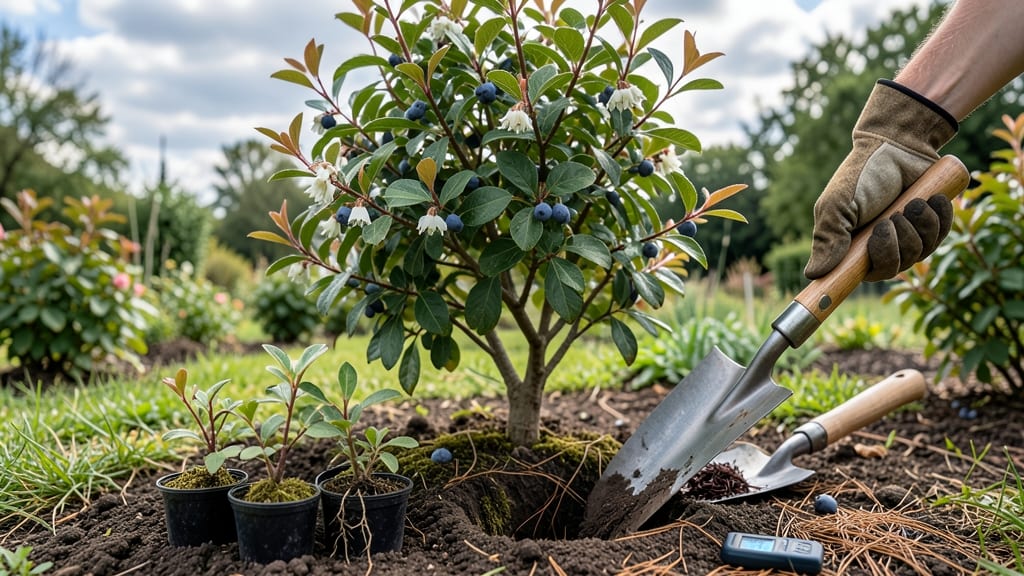
Timing your Blueberry Bush 🫐 planting in North Carolina isn't just about the calendar—it's about matching your variety to the state's unique chill hours and frost-free windows. Plant too early, and you risk frost damage; too late, and your bushes won't establish roots before summer heat sets in.
I've learned the hard way that March and April are the sweet spots for most NC gardeners in zones 6a-8b, but regional differences matter.
Coastal areas can start as early as February, while the Piedmont and Mountains may need to wait until late March to avoid late frosts that can kill young plants.
What you'll discover here is how to align your planting with your specific variety's chill-hour needs—whether you're growing Southern Highbush, Rabbiteye, or Half-High types—and when to adjust for NC's microclimates. Let's get your blueberries off to the best possible start.
We'll also cover soil prep secrets and frost protection tips that can safely extend your planting window by weeks. Your future harvest of juicy, homegrown 🫐 depends on getting this right—and I've got you covered.
Best planting months in NC by region (chill-hours guide)
North Carolina’s diverse climate—from the coastal plains to the mountains—means your blueberry planting window varies dramatically. The key factor? Chill hours, which trigger dormancy and fruiting. Southern Highbush varieties need 300–500 chill hours, while Rabbiteye types thrive with 500–800+.
Let’s break it down by region to avoid frost damage and ensure strong root establishment.
In Zone 7b–8b (coastal NC), where winters are mild, aim for February–March planting. These areas have fewer chill hours, so Southern Highbush varieties like ‘Climax’ or ‘Premier’ are ideal. Meanwhile, Zone 6a–7a (Piedmont) can plant January–March, accommodating Rabbiteye types like ‘Tifblue’ that need more cold exposure.
Mountain regions (Zone 6a) should plant late February–April to align with their later last-frost dates.
⚠️ Critical timing tip: Plant bare-root bushes as soon as soil is workable (around 50°F) but before bud break (typically late March in most of NC). Container-grown bushes offer a 2–3 week extension but require immediate watering to re-establish roots.
Here’s how regional frost-free windows impact your schedule:
| Region | USDA Zone | Last Frost Date | Best Planting Window | Recommended Varieties |
|---|---|---|---|---|
| Coastal Plains | 7b–8b | Feb 1 – Mar 15 | Feb–Mar | Southern Highbush (Climax, Premier) |
| Piedmont | 6b–7a | Mar 1 – Mar 30 | Jan–Mar | Half-High (Duke, Legacy), Rabbiteye (Tifblue) |
| Mountains | 6a | Apr 1 – Apr 15 | Late Feb–Apr | Rabbiteye (Powderblue), Northern Highbush (Bluecrop) |
For coastal gardeners, planting in February ensures bushes establish roots before the humid heat of spring stresses them.
In contrast, Piedmont growers can start as early as January for Rabbiteye types, which handle colder soils better. Mountain regions should delay until late February to avoid early-spring thaws that can heave roots out of the ground.
🌱 Pro move: Test your soil’s chill-hour accumulation using a home weather station or local Cooperative Extension data. For example, Raleigh (Zone 7b) typically hits 500 chill hours by late January, while Asheville (Zone 6a) may need until mid-March. Adjust your variety choice accordingly to match your microclimate.
If you miss the primary window, don’t panic—fall planting (September–October) works in Zones 7b–8b only, provided you mulch heavily (4–6 inches) to insulate roots. However, avoid fall planting in Zones 6a–7a due to frost risk before roots establish.
💡 Local resource: Check your NC State Extension office for hyper-local frost data. For instance, the coastal plain (e.g., Wilmington) may have 50% fewer chill hours than the Piedmont (e.g., Greensboro), drastically altering your variety selection.
Next, we’ll dive into the top 3 blueberry varieties for NC, ranked by frost resistance and yield potential—so you can pick the perfect match for your region’s chill hours and soil type.
Top 3 blueberry varieties for NC gardens (frost-resistance vs. yield)
North Carolina’s diverse climate means not all blueberry varieties thrive equally. The right variety for your USDA Zone 6a-8b garden depends on chill hours and frost tolerance. Southern Highbush varieties like Climax excel in coastal areas, while Rabbiteye types like Tifblue dominate the Piedmont and Mountains.
Let’s break down the top 3 performers and their ideal planting windows.
For coastal NC (Zone 8a-8b), Climax is the gold standard. This Southern Highbush variety needs only 300-400 chill hours and handles mild winters like a champ.
Plant January-February to avoid late frosts, which can damage tender new growth. Its early spring harvest (May) makes it a favorite for home gardeners.
In the Piedmont (Zone 7a-7b), Premier steals the show with 600-700 chill hours and exceptional frost resistance. This Half-High variety bridges the gap between Southern Highbush and Rabbiteye types.
Aim for February-March planting to give roots time to establish before spring warmth kicks in. Its high yield and large berries make it worth the wait.
If you’re in the Mountains (Zone 6a-7a), Tifblue is your best bet. This Rabbiteye variety thrives with 500-600 chill hours and produces huge, flavorful berries. Plant in March-April