
Plants
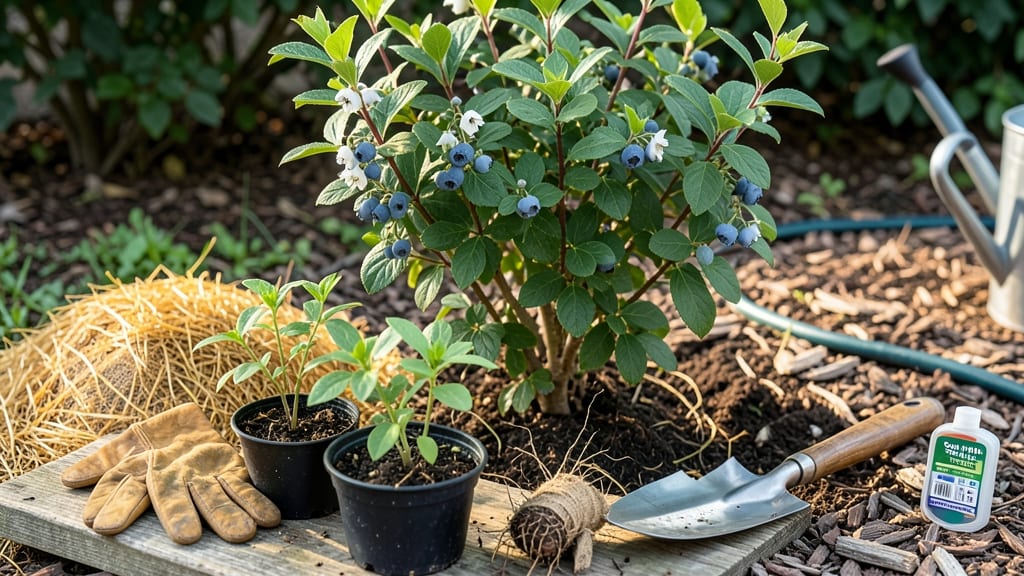
Timing your blueberry bushes 🫐 planting in Alabama isn’t just about grabbing a shovel—it’s about dodging late frosts, matching your variety to the state’s chill-hour zones, and giving those roots the perfect window to establish.
Get it wrong, and you’re staring at wilted plants by March when the last frost hits. But nail it? You’re looking at a bountiful harvest by May, with berries so sweet they’ll make your neighbors jealous.
The key to Alabama blueberry success starts with knowing your zone—whether you’re in the cooler 7a hills of North Alabama or the warmer 8b South. Southern Highbush varieties thrive in milder winters, while Rabbiteye types need more chill hours to set fruit.
Plant too early, and frost will nip your dreams before they sprout. Too late, and your bushes won’t have enough time to root before summer’s brutal heat kicks in.
Here’s the game-changer: Late winter to early spring (February–March) is your prime window, but fall (October–November) works too—if you pick the right variety and prep the soil just right. We’ll break down exactly how to time it, from soil temperature checks to container planting hacks for small spaces.
No more guessing—just stress-free blueberries that’ll have you making jam like a pro.
Ready to turn your Alabama yard into a blueberry powerhouse? Let’s dive into the exact steps, local tips, and even where to find the best varieties for your corner of the state.
Your first perfect harvest starts with planting smart—so let’s get those bushes in the ground the right way.
Best planting months in Alabama: avoiding frost while optimizing root establishment
In Alabama’s variable climate, timing your blueberry bush planting is critical to avoid late spring frosts and ensure strong root growth. The ideal window spans November through February in North Alabama and December through March in South Alabama’s warmer zones.
For North Alabama (USDA zones 7a-7b), aim to plant between November 15 and February 15. This timing lets roots establish before the last frost (March 15) while avoiding winter dormancy stress. South Alabama gardeners (zones 8a-8b) have until March 15 due to milder winters.
Soil temperatures should be between 40°F and 60°F for optimal root development. Use a soil thermometer to check—planting when temps are too cold (below 40°F) can stunt growth, while waiting too long risks spring frost damage.
🌱
- 📅 November 15–December 15: Best for North Alabama (zones 7a-7b). Soil temps: 50–60°F.
- 📅 December 15–January 15: Ideal for transitional zones (7b-8a). Soil temps: 45–55°F.
- 📅 January 15–February 15: Safe for South Alabama (zones 8a-8b). Soil temps: 40–50°F.
- 📅 February 15–March 15: Extended window for South Alabama only. Risk of early blooms increases.
- ⚠️ Avoid planting after March 1 in North Alabama—frost risk to new shoots.
Moisture is another critical factor. Water your blueberry bushes deeply 1–2 weeks before planting to prepare the soil, then maintain consistent moisture for the first 30–60 days post-planting. Mulch with 2–3 inches of pine straw to retain moisture and acidify the soil gradually.
If you miss the winter window, fall planting (September–October) is possible for Southern Highbush varieties, which have lower chill requirements. However, avoid planting after October 15—new roots need time to establish before winter dormancy.
After planting, protect young bushes with row covers if late frosts are forecasted. In North Alabama, March frosts can still occur, so monitor local forecasts from the Alabama Cooperative Extension for real-time alerts.
Container planting extends your window slightly. Potted blueberries can be planted 1–2 months later than in-ground bushes since you control soil warmth. However, move containers to a sheltered spot if freezing temps (below 20°F) are expected.
💧
Pro tip: Test your soil’s pH level before planting. Blueberries thrive in acidic soil (pH 4.5–5.5). If your soil is too alkaline, amend it with sulfur or peat moss 2–3 months before planting to avoid shocking the roots.
Finally, prune any damaged branches immediately after planting to redirect energy to root growth. Avoid heavy pruning—focus on shaping lightly to encourage a strong canopy for next year’s fruit production.
Best planting months in Alabama: avoiding frost while optimizing root establishment
Timing your blueberry bushes in Alabama is all about beating the last frost dates while giving roots time to establish before summer heat. In North Alabama (USDA Zones 7a-7b), aim for planting between November and February—this window ensures roots settle before spring warmth triggers growth.
For South Alabama (Zone 8a-8b), December through March works best, as milder winters reduce frost risk.
Soil temperature is your best guide: roots thrive when soil stays above 40°F (4°C). Use a soil thermometer to confirm—cool but not frozen soil is ideal. If planting in fall (October-November), choose a mild year to avoid winter dieback.
Spring planting (February-March) gives bushes a head start for first-year fruiting, though yields may be lighter.
Here’s my pro tip: mulch heavily with pine straw or wood chips after planting to insulate roots. This mimics Alabama’s natural forest floor and keeps soil temps stable. Just avoid piling mulch against the stem—leave a 2-inch gap to prevent rot.
- North Alabama (Zones 7a-7b): Plant November–February; avoid March (late frost risk).
- South Alabama (Zones 8a-8b): Plant December–March; January–February ideal.
- Soil Prep: Amend with peat moss or sulfur to hit pH 4.5–5.5 before planting.
- Watering: Keep soil moist but not soggy for 4–6 weeks post-planting.
- Frost Watch: Use frost cloth if temps dip below 28°F (-2°C) in first winter.
For container growers, timing shifts slightly: plant Southern Highbush varieties in late winter (February) to capitalize on warmer soil. Containers heat up faster, so monitor moisture daily—potted bushes dry out 3x quicker than in-ground plants. If using containers, choose 15–25 gallon pots with drainage holes to prevent root rot.
One common mistake? Planting too early in September or October. Young roots can’t handle Alabama’s humid heat before winter dormancy, leading to stress. Instead, wait until soil cools naturally—aim for 60°F (15°C) or below. Check the Alabama Cooperative Extension’s frost maps for your county’s exact dates.
After planting, prioritize consistent watering for the first 30 days. Deep water 2–3 times per week until roots establish, then taper to weekly deep soaks. In Alabama’s clay-heavy soils, add organic matter like compost to improve drainage—blueberries hate soggy roots.
Remember: the goal is zero frost damage and maximum fruit set. By following these months and care steps, your bushes will reward you with sweet, homegrown blueberries in just 2–3 years. 🫐