
Plants
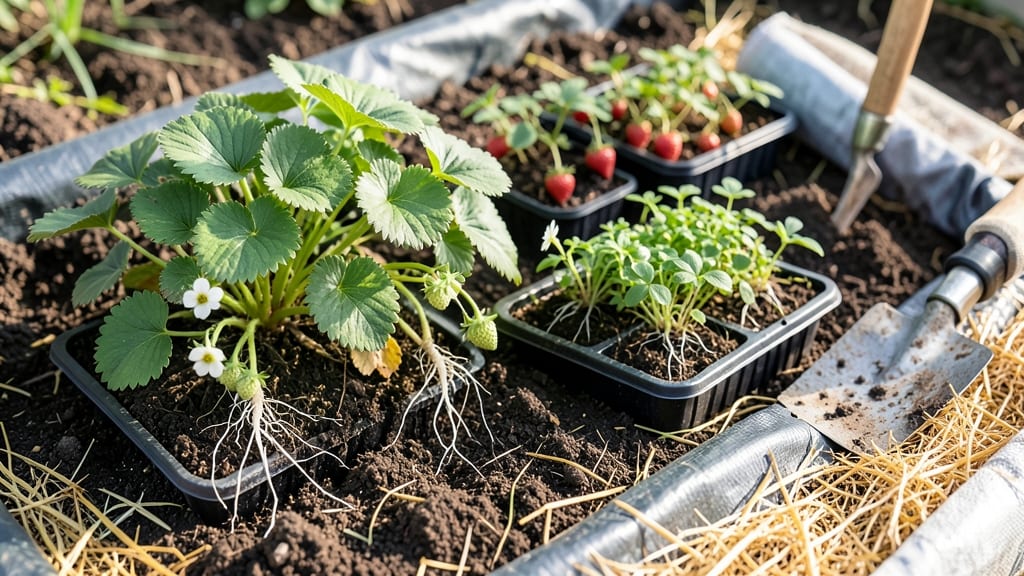
Timing your 🍓 strawberry planting in Virginia is the secret to a bountiful harvest—or a costly mistake. Plant too early, and frost zaps tender roots; too late, and your berries struggle to establish before winter.
In USDA Zones 7a/7b, where last frosts linger around March 15, getting the window right means the difference between thriving plants and wasted effort.
Most gardeners in Virginia swear by two planting windows: early spring (March–April) for June-bearing varieties or late summer (August–September) for everbearing types. But here’s the catch—bare-root plants need 4–6 weeks to root before frost, while potted ones can handle a slightly later start.
The key? Soil temps above 40°F and well-draining beds to prevent rot.
I’ll break down the exact deadlines for your zone, plus soil prep tricks to give your strawberries a head start. Whether you’re a first-timer or a seasoned gardener, these tips will help you avoid common pitfalls like late frost damage or weak growth.
Let’s get those berries off to the best possible start!
Ready to plant? You’ll also discover how mulching and winter protection can extend your harvest—and why some varieties outperform others in Virginia’s climate. No more guessing: just science-backed timing for a sweeter, bigger crop.
Virginia strawberry planting deadlines by zone 7a/7b: exact dates for success
In Virginia’s Zone 7a/7b, timing your strawberry planting correctly is critical—miss the window, and you risk weak root establishment or frost damage. The key is planting when soil temperatures stay between 40°F–50°F and before the last frost (around March 15).
For fall planting, aim for August–September to give roots time to harden before winter.
Bare-root plants thrive when planted in early spring (March–April), while potted strawberries can handle slightly later dates. Both options require well-draining soil and protection from late frosts. Let’s break down the exact deadlines to maximize your harvest potential.
🌱
| Planting Window | Ideal Months | Soil Temp | Key Prep Step |
|---|---|---|---|
| Early Spring | March–April | 40°F–50°F | Add compost + mulch |
| Late Summer | August–September | 50°F–60°F | Use straw mulch |
| Winter (bare-root) | February (dormant) | 35°F–45°F | Plant before buds swell |
For spring planting, prioritize March when soil is workable but still cool. In Virginia’s Zone 7a/7b, this means avoiding early March if ground is frozen.
Test soil moisture—it should be damp but not soggy. If planting in late winter (February), use bare-root plants and cover with mulch to prevent heaving.
Fall planting offers a second chance for everbearing varieties. Plant in August–September to let roots establish before winter. In Virginia, aim to finish by September 15 to avoid stress from early frosts. Use straw mulch (4–6 inches) to insulate roots and retain moisture during dry spells.
🌡️
Soil temperature is your best guide. Use a soil thermometer to confirm 40°F–50°F for spring planting. In Virginia, this typically aligns with mid-March, but mountain regions (higher elevations) may need to wait until late March.
For fall, wait until soil cools to 50°F–60°F—usually late August—to prevent rot.
Pro tip: Amend soil with compost or aged manure before planting. Strawberries thrive in slightly acidic soil (pH 5.5–6.5). If your soil tests higher, add peat moss or sulfur 2–3 weeks before planting. This gives microbes time to adjust pH naturally.
🌿
After planting, water deeply to settle roots, then maintain 1 inch of water weekly. Avoid overhead watering to prevent disease spread. In Virginia’s humid summers, drip irrigation or soaker hoses work best. For fall-planted berries, reduce watering in October to harden off plants before winter.
Finally, mark your calendar for Virginia’s average first frost (November 15). If planting in fall, ensure roots have 6–8 weeks to establish before cold sets in. Use row covers or black plastic mulch for extra protection in exposed areas.
How to extend your Virginia strawberry season: fall vs. spring planting strategies
Choosing between fall and spring planting for strawberries in Virginia’s Zone 7a/7b depends on your harvest goals and climate risks. Fall planting (late August to early October) gives roots time to establish before winter, while spring planting (March to early April) aligns with natural growth cycles.
Both methods have unique advantages—and pitfalls—if you don’t account for Virginia’s unpredictable late frosts.
For fall planting, aim to get strawberries in the ground 6–8 weeks before the first frost (typically by October 1st). This timing lets plants develop strong roots before dormancy.
In contrast, spring planting requires urgency—plant 4–6 weeks before the last frost (usually by March 15th) to avoid stunted growth from early warmth followed by cold snaps.
🌱
- ✅ Earlier harvest in June
- ✅ Stronger root systems before winter
- ✅ Less competition from weeds
- ✅ Simpler soil prep (no winter cleanup)
- ✅ Better for everbearing varieties
- ✅ Avoids late-frost risks
- ⚠️ Late frosts can kill young plants
- ⚠️ Requires mulching for winter protection
- ⚠️ Less time for root growth if planted too late
- ⚠️ Late frosts can delay flowering
- ⚠️ Weeds compete for nutrients early
- ⚠️ Soil may be too cold or wet for planting
To extend your season, consider a split strategy: plant some strawberries in early fall (August) for a June harvest and others in late winter (February) for a September–October harvest. Use black plastic mulch in spring to warm the soil faster or straw mulch in fall to insulate roots.
For everbearing varieties, fall planting often yields two harvests—one in summer and another in fall.
If you’re new to strawberry growing, spring planting is more forgiving—just be ready to act fast once soil temperatures hit 40°F+. For experienced gardeners, fall planting rewards patience with an earlier harvest.
Either way, test soil pH (aim for 5.8–6.2) and amend with compost before planting to set your strawberries up for success.
🌿