
Trees
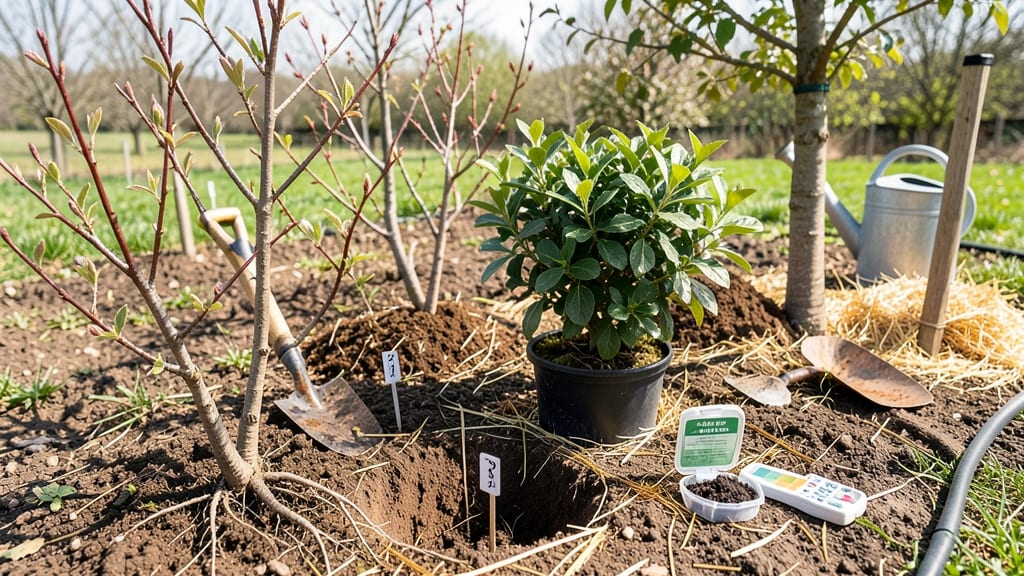
Timing your fruit trees planting in Massachusetts isn't just about picking a random weekend—it's the difference between a thriving orchard and a struggling sapling that never recovers.
With USDA zones 5b-6b bringing unpredictable frosts and short growing seasons, choosing the wrong window could leave your 🍎 vulnerable to winter damage or stunted growth before harvest.
Most gardeners in New England swear by early spring or fall planting, but why? Spring gives young trees a head start before summer heat, while fall allows roots to establish before winter dormancy.
Whether you're planting bare-root saplings or container-grown varieties, the right timing ensures strong root development and better survival rates through Massachusetts' harsh winters.
In this guide, I'll break down the exact planting windows for your region, including how to adjust for coastal vs. inland microclimates.
You'll discover which fruit trees thrive best in your zone, how to prep your soil for maximum growth, and the common mistakes that could sabotage your orchard before it even takes root.
Ready to set your fruit trees up for decades of harvests? Let's get started with the perfect planting schedule for Massachusetts gardeners.
Best planting months for fruit trees in Massachusetts by USDA Zone
Massachusetts spans USDA Zones 5b-7a, which means our fruit trees face cold winters and short growing seasons. The best times to plant are during dormant periods—either in early spring (March-April) or early fall (September-October).
This gives roots time to establish before winter stress or summer heat sets in.
For bare-root trees, which are most common in nurseries, late winter to early spring (before bud break) is ideal. If you opt for container-grown trees, you can plant them year-round in mild weather, but spring and fall still offer the best success rates in Massachusetts.
Here’s how your USDA Zone affects planting timing:
| Zone | Best Planting Window | Why It Works | Avoid Planting |
|---|---|---|---|
| 5b (Western MA) | Late April–May or September | Soil thaws by late April; fall planting avoids winter stress. | Early spring (frost risk) or late fall (roots won’t establish). |
| 6a (Central MA) | March–April or September–October | Milder winters; roots establish before frost. | June–August (summer heat stress). |
| 6b (Eastern MA) | March–April or September–early October | Cooler coastal climate; fall planting avoids late frosts. | November (frost risk before root establishment). |
| 7a (Southern MA) | February–March or September–October | Warmer zone; earlier spring planting possible. | July–August (extreme heat). |
If you’re planting bare-root trees, soak the roots in water for 1–2 hours before planting to rehydrate them. For container-grown trees, remove the pot and loosen the root ball to encourage root spread into the soil.
In Zone 5b (like the Berkshires), aim for late April planting to avoid late frosts. In Zone 7a (like Cape Cod), you can plant as early as February if the ground isn’t frozen. Always check your local last frost date—Massachusetts averages mid-April for most regions.
For peach and nectarine trees, which are less cold-hardy, wait until after the last frost (early May in most areas) to plant. These varieties struggle with winter dieback if planted too early.
Pro tip: If you miss the spring window, fall planting is your next best option. Just ensure the tree is planted 6–8 weeks before the first frost (usually by mid-October) to allow roots to establish before winter.
🌱
Key factors that determine your fruit tree planting timeline in MA
Massachusetts’ USDA Zones 5b-6b mean frost can strike anytime from mid-April to mid-October, so timing your fruit tree planting is critical. The soil temperature must reach at least 40°F (4°C) for roots to establish, while air temperatures above 50°F (10°C) signal it’s safe to plant.
These thresholds vary slightly between coastal areas (warmer microclimates) and inland regions (colder).
For bare-root trees, the window narrows further—plant them when the ground thaws but before buds swell in early spring (March-April) or after harvest when soil cools in early fall (September-October).
Container-grown trees offer more flexibility, allowing planting year-round in mild weather (like May or August), but avoid extreme heat or frost.
Your tree’s maturity type also matters: dwarf varieties (like ‘Liberty’ apple) establish faster than standard trees (like ‘Granny Smith’), so they can tolerate slightly later spring planting. Meanwhile, semi-dwarf trees strike a balance, making them ideal for beginners.
Don’t overlook microclimates—urban areas with pavement retain heat longer, while rural spots may freeze sooner. Use a soil thermometer to monitor temperatures and adjust your timeline. For example, Boston’s coastal zones might support late-April planting, while the Berkshires could delay until May.
🌱
📌 Key Factors for Planting Timing
- 🌡️ Soil temperature: Must reach 40°F (4°C) for root growth.
- ❄️ Last frost date: Plant 2-4 weeks after average last frost (varies by region).
- 🌳 Tree type: Bare-root needs dormant season planting; container-grown is flexible.
- 🏙️ Microclimate: Urban areas warm faster than rural zones—adjust timing accordingly.
- 🌞 Sun exposure: South-facing spots warm sooner; north sides delay planting.
Another critical factor is tree maturity. Young trees (under 2 years old) need extra care—plant them when they’re dormant to reduce transplant shock. Older trees can handle late-spring planting (May) but may struggle if roots dry out in summer heat.
Always water deeply after planting and mulch to retain moisture.
Finally, consider your local nursery’s advice. Many Massachusetts growers ship bare-root trees in early spring (March) or fall (September-October), aligning with ideal planting windows. If you’re unsure, ask when they recommend planting their specific varieties—this local knowledge can save your trees from winter stress.
☀️