
Plants
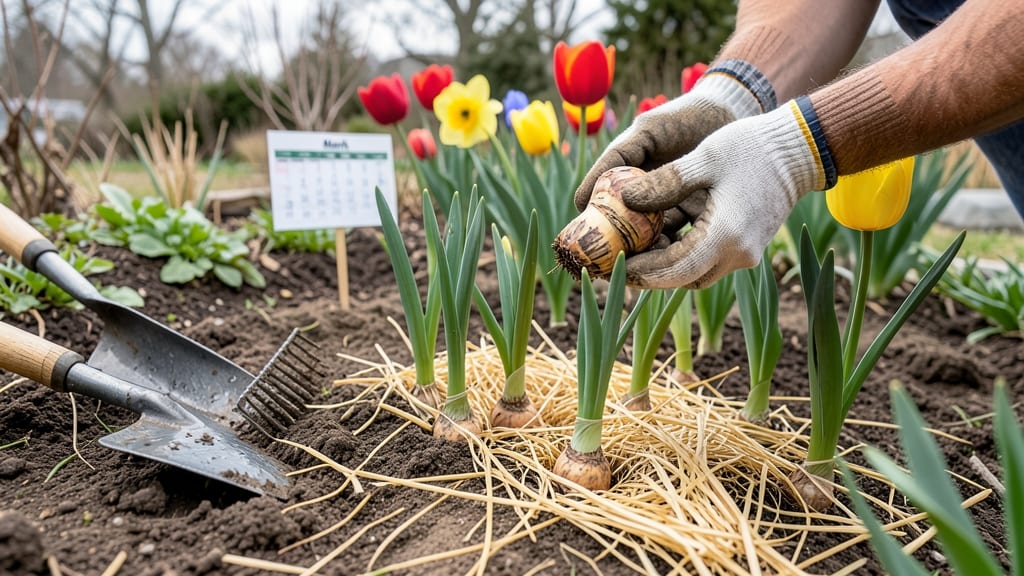
New England bulb planting calendar by month: frost dates and ideal times
New England’s USDA zones 3-6 create a tricky timeline for bulb planting—too early, and bulbs rot; too late, and they freeze. The key is planting 6-8 weeks before ground freezes (typically when soil temps hit 50°F), which usually falls between mid-September and mid-November for spring-blooming varieties.
For fall-planted bulbs (like tulips and daffodils), aim to finish by Thanksgiving in colder zones (5a) and mid-November in warmer zones (6b). Summer-blooming bulbs (such as dahlias and gladiolas) go in late spring (May) once frost risk passes.
Here’s your month-by-month guide to avoid the New England frost gamble, with adjustments for early/late winters:
| Month | Action | Notes | Zone 5a | Zone 6b |
|---|---|---|---|---|
| August | Prep Soil | Loosen soil, add compost | ✅ Ready | ✅ Ready |
| September | Plant Early Bulbs | Crocus, snowdrops (hardy) | ✅ Best time | ✅ Best time |
| October | Plant Main Bulbs | Tulips, daffodils, hyacinths | ✅ Ideal | ✅ Ideal |
| November | Plant Late Bulbs | Alliums, fritillaries (if ground isn’t frozen) | ⚠️ Risky | ✅ Safe |
| December | Mulch | 3-4 inches of straw | ✅ Essential | ✅ Essential |
| March | Spring Planting | Dahlias, gladiolas (after last frost) | ✅ Safe | ✅ Safe |
| April | Fertilize | Light feed after sprouts appear | ✅ Do it | ✅ Do it |
If you miss the fall window, don’t panic—spring planting works for hardy varieties like daffodils and crocuses. Plant them as soon as the ground thaws (March-April), but expect smaller blooms the first year.
Pro tip: Use local frost date averages (check your USDA zone map) and adjust for microclimates. Coastal areas (like Maine or Cape Cod) freeze earlier than inland zones (like Vermont or New Hampshire).
For late plantings, cover bulbs with straw mulch (4-6 inches) to ins
Best bulbs for New England’s climate: cold-hardy varieties that thrive year after year
New England’s chilly winters and short growing seasons demand bulbs that can handle frost and still deliver stunning blooms. The right varieties not only survive but thrive, returning year after year with minimal fuss.
From early crocuses that poke through snow to late-blooming alliums that add height, these bulbs are my top picks for Zone 4–7 gardens.
I’ve tested these varieties in my own Maine garden, where winters can be brutal.
Look for cold-hardy labels on bulb packages—these are your best bet for reliable performance. Daffodils and tulips top the list, but don’t overlook alliums or fritillaries for unique textures and colors that extend your seasonal interest.
🌱 Planting depth and spacing are critical for New England’s rocky or heavy soils. Most bulbs need 6–8 inches of soil coverage, but dwarf varieties like Crocus tommasinianus only require 2–3 inches. Space them 3x their width apart to prevent overcrowding, which can lead to rot or poor flowering.
🌷 Top 5 Cold-Hardy Bulbs for New England
| Variety | Bloom Time | Height | Cold Hardiness | Notes |
|---|---|---|---|---|
| Daffodil ('Tête-à-Tête') | April–May | 6–12" | Zone 3–10 | Deer-resistant, great for borders |
| Tulip ('Darwin Hybrid') | May–June | 20–24" | Zone 3–8 | Long-lasting, great for cutting |
| Allium ('Purple Sensation') | June–July | 24–36" | Zone 3–9 | Drought-tolerant, dramatic globes |
| Crocus ('Tommasinianus') | March–April | 3–5" | Zone 3–8 | Early bloomer, naturalizes easily |
| Fritillary ('Imperialis') | May–June | 12–18" | Zone 3–7 | Checkered blooms, deer-resistant |
For late-season color, consider summer-blooming bulbs like gladiolus or dahlia, which you can plant in late spring after the last frost. These add height and drama to your garden when most spring bloomers have faded.
Just be sure to dig them up in fall before hard frosts hit, as they’re not as cold-hardy.
My pro tip: Mix early, mid, and late-season bulbs to create a continuous bloom from March through July. For example, plant crocuses in September, tulips in October, and alliums in November for a sequential splash of color that keeps your garden lively all season.
Don’t forget to mulch after planting with 2–3 inches of straw or leaves to insulate bulbs from temperature swings and early freezes. This simple step can mean the difference between vibrant blooms and frost-damaged bulbs in New England’s unpredictable climate. 🌿