
Plants
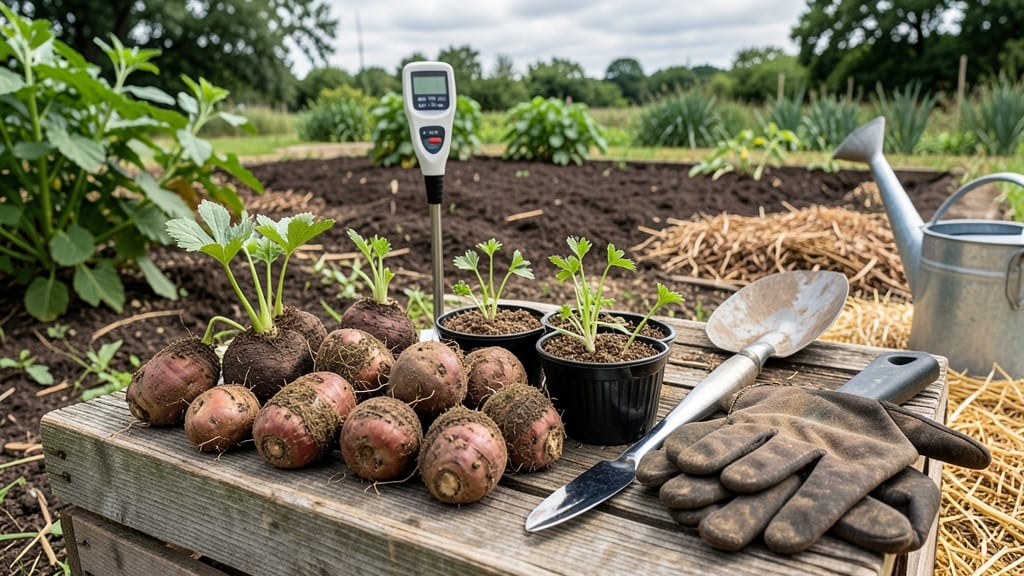
Planting dahlia bulbs at the wrong time in Georgia can mean missed blooms or even lost tubers—so timing is everything. With USDA zones 7b-8b and Georgia’s unpredictable spring weather, getting it right ensures your garden bursts into vibrant 🌼 color from July to October.
The key is waiting until after the last frost, typically around mid-April, when soil temperatures hit 60°F. This window balances warmth and moisture, giving your dahlias the best start.
But Georgia’s humidity and heat can complicate things—so knowing when to prep your soil and how deep to plant makes all the difference.
I’ll walk you through the exact frost-free timeline for your region, whether you’re in Atlanta, Savannah, or Augusta. You’ll also learn how to verify local frost data and adjust for Georgia’s microclimates to maximize your blooms.
From soil prep to planting depth, this guide ensures your dahlias thrive all season long—no guesswork, just stunning results. Let’s get those tubers in the ground at the perfect moment!
Georgia’s frost-free timeline for planting dahlia bulbs (with local zones 7a-8b)
Georgia’s warm climate makes it a perfect place for dahlias, but the last frost date varies dramatically across regions—from mid-March in Savannah to late April in Atlanta’s higher elevations. Planting too early risks frost damage, while waiting too long can shorten your bloom season.
Let’s break down the exact planting windows for Georgia’s USDA zones 7a-8b and how to verify local frost data for precision timing.
Dahlia tubers thrive when soil temperatures consistently reach 60°F or warmer. In Georgia, this typically happens 2-4 weeks after the last frost, depending on your microclimate. For example, Savannah gardeners can often plant by early April, while North Georgia growers in zones 7a-7b should wait until mid-to-late May.
Understanding these regional differences is key to avoiding frost damage or heat stress in your dahlias.
To find your exact last frost date, check the National Weather Service or use the Almanac’s Frost Calculator (almanac.com/gardening/frostdates). Georgia’s frost-free season spans 215-240 days, but urban areas like Atlanta can experience heat islands that warm soil faster, while rural areas may stay cooler longer.
Always plant after your local frost-free date to ensure healthy growth.
Here’s a quick reference for Georgia’s major regions, including ideal planting dates and soil temperature targets to maximize your dahlias’ potential:
| Region | USDA Zone | Last Frost Date | Planting Window | Soil Temp Goal |
|---|---|---|---|---|
| Savannah/Coastal GA | 8a-8b | Mid-March | Early April | 60°F+ |
| Atlanta/Macon | 7b-8a | Late March | Mid-April | 60°F+ |
| Augusta/Columbus | 7b-8a | Early April | Late April | 60°F+ |
| North GA (Dalton, Blairsville) | 7a-7b | Late April | Mid-May | 60°F+ |
For container gardening, you can plant dahlias 2-4 weeks earlier than in-ground, as pots warm faster. However, ensure your containers have drainage holes to prevent root rot—a common issue in Georgia’s humid summers.
If you’re unsure about your local frost date, use frost cloth or a mini greenhouse to protect young tubers until the soil warms.
Once planted, dahlias in Georgia typically bloom 90-120 days after planting, meaning late April plantings in Savannah could yield flowers by late June, while mid-May plantings in North Georgia might bloom in early August.
To extend your bloom season, choose heat-tolerant varieties like ‘Café au Lait’ or ‘Thomas Edison,’ which thrive in Georgia’s 90°F+ summers.
Pro tip: Mark your calendar for November 15, Georgia’s average first frost date. This gives you a 215-day growing window—plenty of time for dahlias to mature and bloom before winter sets in. If you’re eager to start earlier, consider indoor sprouting (see our next section for tips!).
Remember, soil temperature is just as critical as frost dates. Use a soil thermometer to confirm the ground is ready—dahlias won’t thrive in cold soil, even if the air is warm. Aim for 60°F or higher at a 6-inch depth for
Georgia’s frost-free timeline for planting dahlia bulbs (with local zones 7a-8b)
Georgia’s last frost dates vary dramatically from northern Atlanta (Zone 7b) to coastal Savannah (Zone 8b), creating a 3-week window for planting dahlia bulbs.
In Zone 7b, aim for mid-April after the average March 15 frost date, while Zone 8b gardeners can start as early as late March. This timing ensures tubers avoid frost damage while soil warms to the ideal 60°F+ for root growth.
Local microclimates matter—valley areas like Dalton often frost 2-3 days later than higher elevations near Blue Ridge. Check the National Weather Service or Georgia Automated Environmental Monitoring Network (AEMN) for real-time frost alerts. Planting too early risks tuber rot, while delaying past May may shorten your bloom season.
🌼
For precision planting, use a soil thermometer—dahlias need consistent 60°F soil temps for 48 hours before planting.
In Zone 7b, this often aligns with April 15, while Zone 8b may see ready soil by March 20. Heat-loving varieties like 'Café au Lait' thrive in Georgia’s summer heat, but even they need a slow start in cooler spring soil.
Pro tip: Pre-sprout tubers indoors in late February for Zone 7b gardeners to jumpstart growth. Place tubers in moist peat moss at 65°F and watch for sprouts in 2-3 weeks. This gives you a 2-week head start on outdoor planting and extends your bloom season by 3-4 weeks.
If you’re in transition zones like Athens or Gainesville, err on the later side—early May is safer than late April due to unpredictable late frosts.
Use frost blankets for extra protection if planting in early April, but remove them once soil warms to 60°F to prevent heat stress.
🌱