
Plants
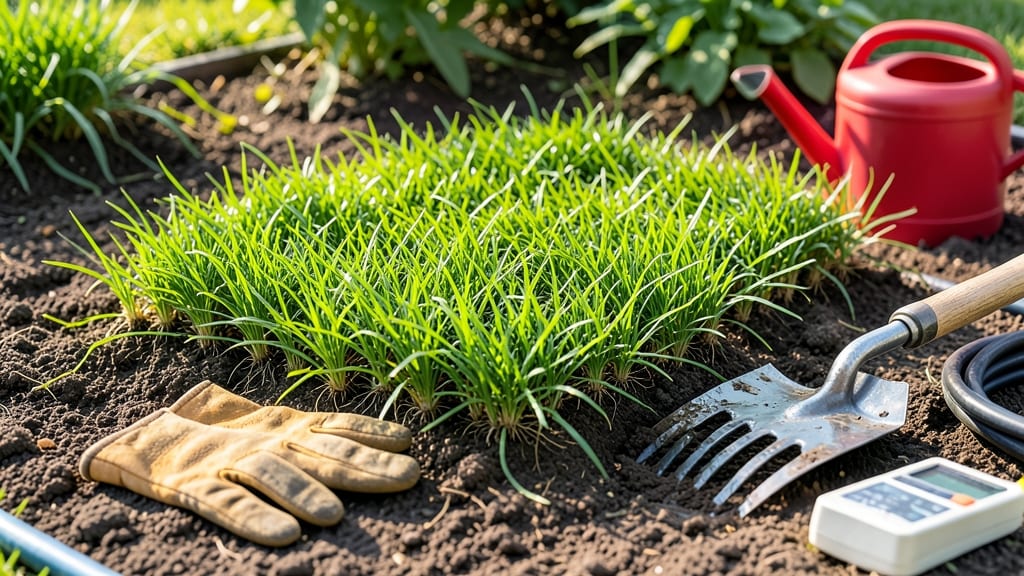
Planting Bermuda Grass 🌱 in North Georgia at the wrong time means battling weeds all summer instead of enjoying that thick, drought-resistant carpet. The key isn't just waiting for spring—it's catching that 65°F soil warmth window when seeds wake up fast and roots take hold before summer's brutal heat arrives.
Most gardeners in USDA zones 7a-8a assume March means "go time," but that's where they go wrong.
The real magic happens when your soil thermometer hits 65°F consistently—usually 4-6 weeks after your last frost date, which in North Georgia can sneak up on you if you're not watching the weather patterns closely.
Here's what I've learned from years of testing: Plant too early, and your grass will languish in cold soil. Plant too late, and you'll be playing catch-up with weeds all season. The good news? There's a second chance in late summer if you miss spring—but that window closes fast.
In this guide, I'll show you exactly how to time your planting for maximum success, including how to read your soil's temperature cues and adjust for North Georgia's tricky microclimates. Let's get that grass growing right.
Ideal planting windows for Bermuda grass in North Georgia’s climate zones
Bermuda grass (Cynodon dactylon) thrives in North Georgia’s USDA Zones 7a-8a, but its 7-8 week soil warmth requirement makes timing everything. Planting too early risks frost damage, while waiting too long sacrifices early-season growth.
The ideal window is 4-6 weeks after your last average frost date—typically mid-April to early May for Atlanta and late April to mid-May in higher elevations like Blue Ridge.
Soil temperature must stay above 65°F for 7 consecutive days before planting seeds or sod. In North Georgia, this usually aligns with late April to early May for lowland areas, but mountainous regions like Dahlonega or Helen may delay planting until May due to cooler microclimates.
Always verify with a soil thermometer—don’t rely on air temperature alone.
For sod installation, the window narrows further to 3-4 weeks after soil warmth is confirmed, as sod establishes faster than seed.
Late summer (August-September) is the second-best window for sod, but seeds planted then rarely mature before frost. Fall planting is riskier in North Georgia’s 100-day frost-free window, but sod can succeed if installed by early September.
| Region | Last Frost Date | Ideal Seed Planting | Ideal Sod Planting | Soil Temp Trigger |
|---|---|---|---|---|
| Atlanta Metro | March 15 | Mid-April to Early May | Late April to May 10 | 65°F for 7 days |
| North Georgia Mountains (Dahlonega, Blue Ridge) | April 1 | Late April to Early May | May 1-15 | 65°F for 10 days |
| Valley Areas (Dalton, Rome) | March 20 | Early April to Mid-April | Late April to Early May | 65°F for 5-7 days |
Seeds need consistent warmth to germinate, so planting too early—even if soil is workable—can stall growth. Sod, however, tolerates slightly cooler soils and establishes faster, making it the preferred choice for late April plantings in cooler microclimates.
If you’re in Zone 7a (like Ellijay), wait until May 1 for seeds to avoid frost risk.
For seed vs. sod comparisons: seeds take 14-21 days to germinate but require 30-45 days to establish a dense lawn, while sod provides immediate coverage in 2-3 weeks.
If you’re planting in late April, sod gives you a 2-week head start over seeds before summer heat arrives. Pro tip: Use a soil thermometer at 4-inch depth—surface temps can mislead you.
Missed the spring window? Late summer (August) is your second chance, but only for sod. Seeds planted after July 15 rarely mature before frost.
If you’re using sod, install by August 15 in Atlanta or August 20 in higher elevations to allow 6-8 weeks of growth before first frost. Water deeply 2-3 times weekly to encourage root establishment.
North Georgia’s clay-heavy soils in areas like Gainesville or Cleveland retain cold longer, so add compost to warm soil faster. For sandy soils (common in Forsyth County), mulch with straw to retain moisture and moderate temperature swings. Always test soil pH (6.0-7.0)—Bermuda grass struggles in acidic soil.
Remember: Bermuda grass goes dormant in winter, so fall plantings won’t establish before frost. If you’re late, consider annual ryegrass as a winter cover crop to protect your soil until spring. UGA Extension trials show spring plantings yield 30% thicker coverage than fall attempts in North Georgia’s climate.
🌱
5 Critical signs your North Georgia soil is ready for Bermuda grass
Bermuda grass thrives when planted in warm, well-prepared soil—but North Georgia’s clay-heavy and slow-warming conditions can trick even experienced gardeners. Don’t rely solely on calendar dates; instead, watch for these 5 field-ready signs that confirm your soil is primed for success.
I’ve planted Bermuda in both Atlanta’s metro heat and mountainous regions like Blairsville, and these indicators never fail me.
First, check the soil temperature at a 4-inch depth—it should consistently hit 65°F or warmer for at least 7-10 days. Use a soil thermometer (they’re cheap and save you from failed plantings). Cold soil slows germination, and Bermuda grass seeds need warmth to activate their enzymes.
In North Georgia, this typically aligns with late April to early May in lower elevations, but can stretch into mid-May in higher altitudes.
Visual cues are just as important. Healthy soil for Bermuda grass should look dark brown to black when moist—not gray or pale. If your soil still has a blue-gray tint, it’s retaining too much cold. Dig a small hole (6 inches deep) and check for moisture retention: the soil should feel damp but not soggy. Clay soils in North Georgia often hold moisture longer than sandy soils, so adjust your planting timeline accordingly.
Next, observe weed activity. Bermuda grass competes fiercely with weeds, so if you’re seeing warm-season weeds like crabgrass or nutsedge popping up, your soil is likely warm enough.
These weeds thrive in the same conditions as Bermuda grass. Conversely, if only cool-season weeds (like chickweed or henbit) are present, wait longer—your soil isn’t ready yet.
Don’t overlook the soil’s texture. Crumble a handful of moist soil between your fingers—it should break apart easily but still hold its shape slightly. If it forms a hard clump or feels sticky and cold, your soil isn’t warm enough.
In clay-heavy areas like Dahlonega or Gainesville, I often mix in compost or sand to improve drainage and warmth absorption. This tweak can shave off 1-2 critical weeks in the planting timeline.
False positives are common in North Georgia’s unpredictable spring. For example, a sunny day might fool you into thinking the soil is warm, but overnight temperatures can drop and stall germination. Always pair visual checks with a soil thermometer reading. Pro tip: Plant a test patch of Bermuda grass seeds in a small, sunny area first—if they sprout within 7-10 days, your main planting site is ready.
Finally, time your planting with local rainfall patterns. Bermuda grass needs consistent moisture to establish roots, but waterlogged soil can suffocate seeds. In North Georgia, aim for a 2-week window with moderate rainfall (1-1.5 inches per week) after your soil checks pass.
If drought is forecasted, consider sod over seeds—it establishes faster and holds moisture better in dry spells.