
Plants
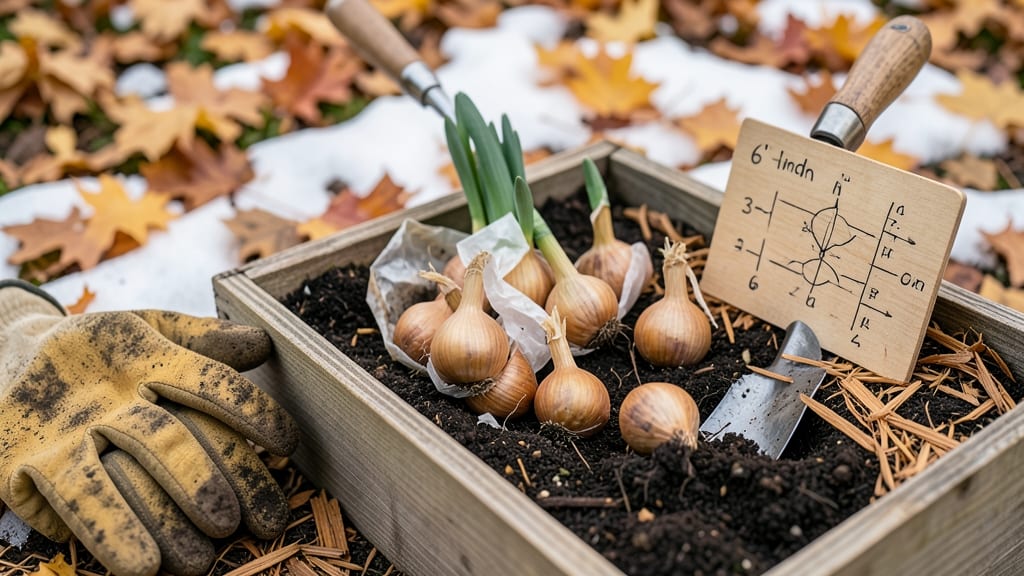
Planting daffodils in Minnesota isn't just about grabbing bulbs and digging holes—it's about catching that narrow fall window before the ground freezes solid. Get it wrong, and your 🌼 might never bloom. But with Minnesota's 4a-5b zones, timing these hardy flowers right means vibrant spring displays year after year.
Most gardeners in the North Star State know the golden rule: plant daffodils 6 weeks before frost, typically between late September and October. But here's the catch—Minnesota's unpredictable frost dates can shift that window by weeks.
We'll break down exactly when to plant in your specific zone and how to adjust for early freezes or late thaws.
Why does timing matter so much? Daffodils need time to establish roots before winter sets in. Plant too early, and your bulbs might rot in warm soil. Plant too late, and they won't have enough time to grow before the ground freezes.
I'll show you how to read your soil's temperature cues and choose the perfect moment for your Minnesota garden.
We'll also cover hardy varieties that thrive in our cold winters and share pro tips for soil prep that make all the difference. Whether you're a first-time planter or a seasoned gardener, these insights will help you avoid common mistakes and get the most out of your daffodil investment.
Minnesota daffodil planting timeline by hardiness Zone (5a-4a)
Minnesota’s USDA hardiness zones 4a-5a create a tight window for planting daffodil bulbs—typically between late September and mid-October. The goal? Plant them 4-6 weeks before the ground freezes to ensure roots establish before winter.
In Zone 5a (southern MN), this often means late September to early October, while Zone 4a (northern MN) shifts to mid-September to mid-October to beat frost.
Daffodils thrive when planted in cool soil (60°F or below), which is why fall planting is critical. If you miss this window, spring planting is possible but less reliable—bulbs may not bloom as vigorously.
Let’s break down the exact timing by zone to help you avoid common mistakes like planting too early (risking rot) or too late (bulbs won’t root).
🌼 Key Insight: Use Minnesota’s average first frost dates as your guide: Zone 5a (e.g., Twin Cities) typically sees frost by mid-October, while Zone 4a (e.g., Duluth) freezes by early October. Aim to plant 6 weeks before these dates.
| Zone | Ideal Planting Window | Soil Temp Goal | Frost Risk |
|---|---|---|---|
| 5a (e.g., Rochester, Mankato) | Late September – Early October | Below 60°F | Low (plant after Labor Day) |
| 5a (e.g., Minneapolis, St. Paul) | Mid-September – Mid-October | Below 60°F | Moderate (watch weather forecasts) |
| 4a (e.g., Duluth, Brainerd) | Mid-September – Early October | Below 55°F | High (plant by early October) |
🌱 Pro Tip: Use a soil thermometer to confirm temps—daffodils need cool roots to establish before winter.
In Zone 5a, you can often plant daffodils as late as early October, but avoid waiting until mid-October—bulbs may not root deeply enough before frost. For Zone 4a, act faster: mid-September is ideal, with early October as the absolute deadline.
If you’re in northern MN, consider early-blooming varieties like ‘Tête-à-Tête’ or ‘Ice Follies’, which establish roots quicker.
Missed the fall window? Spring planting is possible but comes with trade-offs. Plant daffodils in late April to early May (after the last frost) for smaller blooms the first year.
However, they’ll multiply over time, so don’t give up—just expect a delayed show. For guaranteed results, stick to fall planting.
Another critical factor is bulb size. Larger bulbs (12/14 count) establish faster and are better suited for northern MN’s short growing season. Smaller bulbs (24 count) may struggle in Zone 4a if planted too late.
Always choose hardy varieties like ‘Minnesota’ or ‘Jersey’, bred to thrive in cold climates.
Watch for unpredictable warm spells in late fall. A sudden 60°F+ day in October can trick daffodils into sprouting, only to be killed by a subzero freeze.
To prevent this, mulch heavily (4-6 inches) with straw after planting. This insulates bulbs and regulates soil temperature, giving roots a fighting chance.
Finally, test your soil before planting. Daffodils prefer well-draining, slightly acidic soil (pH 6.0-7.0). Amend heavy clay soils with compost or sand to prevent rot. In sandy soils (common in northern MN), mix in peat moss to retain moisture. Proper drainage is non-negotiable—waterlogged bulbs rot.
Timing your daffodil planting in Minnesota boils down to one rule: Plant when soil temps drop below 60°F and 6 weeks before frost. Use local frost forecasts (like the MN State Climatology Office) and adjust for your microclimate.
With this approach, you’ll enjoy bold spring blooms year after year—no matter where in Minnesota you garden. 🌸
Critical factors that shift daffodil planting dates in Minnesota
Minnesota’s fall planting window for daffodils isn’t just about hardiness zones—soil temperature, frost predictions, and bulb variety play equal roles. Soil temps below 50°F signal it’s time to plant, but northern Minnesota’s earlier frosts demand extra caution. Even a 5°F temperature drop can damage exposed bulbs.
Your local frost date isn’t the only deadline. Bulb variety matters too: early bloomers like ‘Ice Follies’ need planting 6-8 weeks before frost, while late varieties like ‘Tête-à-Tête’ can wait until mid-October. Check your bulb packaging for days to maturity—this determines your exact window.
Don’t rely solely on USDA zone averages. Minnesota’s microclimates vary wildly—urban areas stay warmer, while rural spots freeze faster. Use a soil thermometer ($10 at garden centers) to confirm 60°F soil temps at 6-inch depth before planting. This is your true planting cue, not just calendar dates.
Watch weather forecasts for unseasonable warmth in early fall. A 60°F October day might trick you into planting too late. Early frosts in northern Minnesota (Zone 4a) can arrive by late September, so have a backup plan—store bulbs in a cool, dark place until conditions improve.
Bulb size also shifts timing. Larger 12/0 bulbs establish roots faster than smaller 8/9 bulbs, giving you a 2-week buffer if frost arrives early. For northern gardens, prioritize larger bulbs or plant 2 weeks earlier than southern Minnesota guidelines.
Mulching strategy can extend your window by 1-2 weeks. Apply 4-6 inches of straw mulch after planting to insulate bulbs from freeze-thaw cycles. Remove mulch in early spring (March) to prevent rot from melting snow.
Pro tip: Mark your planting date on a calendar and set a reminder for 6 weeks later. This helps track root establishment—if bulbs haven’t rooted by then, they’re vulnerable to winter heaving when soil freezes and thaws. Well-rooted bulbs handle Minnesota’s wild temperature swings like champions.
- 1 Soil Temperature: Plant when soil hits 60°F at 6"—not air temp.
- 2 Frost Predictions: Northern MN (Zone 4a) needs 2-week earlier planting than Zone 5b.
- 3 Bulb Variety: Early bloomers need 6-8 weeks to root; late bloomers get 4-6 weeks.
- 4 Bulb Size: Larger 12/0 bulbs root faster than smaller 8/9 bulbs—plant earlier.
- 5 Mulching: Straw mulch adds 1-2 weeks of frost protection after planting.
Remember: Minnesota’s frost dates are not set in stone. Use local gardeners’ reports (check MN Department of Agriculture alerts) and adjust your timeline.
If you’re unsure, err on the earlier side—daffodils planted too late won’t bloom as robustly, but early planting gives them a head start for next spring’s vibrant display.