
Plants
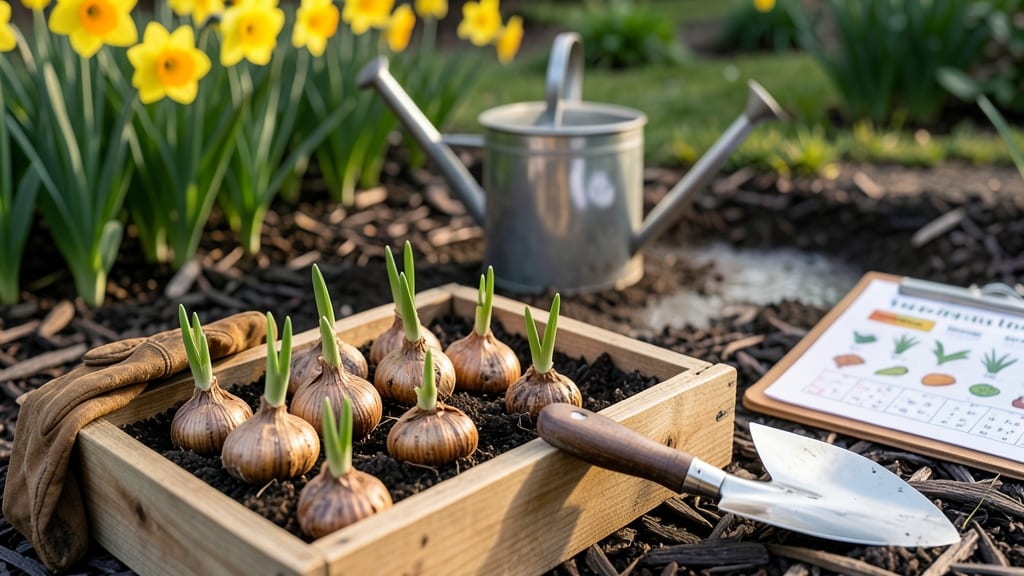
Planting daffodils in Zone 9b at the wrong time means missing out on those cheerful 🌼 blooms you crave in spring—because in this desert climate, timing is everything. Unlike cooler zones, Zone 9b’s mild winters and scorching summers demand a precise window: too early, and your bulbs bake in summer heat; too late, and they won’t root before spring’s dry spell kicks in.
Most gardeners in Phoenix or Southern California deserts swear by October through December as the sweet spot—but here’s the catch: your microclimate matters. Urban heat islands? Plant earlier. Coastal breezes?
You might stretch it to January. I’ll show you how to read your soil’s cues and adjust for zero-frost success, even when the calendar says “too late.”
Think you can just toss bulbs in the ground whenever? Think again. The 6-8 week rule before the ground cools (aim for 50–60°F soil temps) is your golden ticket to blooms.
Skip this, and you’ll end up with sad, stunted 🌼s—or worse, no flowers at all. Let’s fix that.
Ready to nail your planting window? I’ll walk you through the exact steps—from soil prep to post-planting care—to ensure your daffodils thrive in Zone 9b’s tricky climate. No more guesswork, just vibrant spring color guaranteed.
Optimal planting windows for daffodils in Zone 9b: month-by-month breakdown
Zone 9b’s mild winters and rare frosts create a unique challenge for daffodil planting—timing isn’t about avoiding frost but about soil temperature and moisture balance. Unlike colder zones, daffodils here need cool soil (50–60°F) to root before summer heat returns.
Plant too early, and bulbs may sprout prematurely; too late, and they’ll struggle to establish before the heat of Zone 9b’s dry summers 🌡️.
My go-to window is October through December, but adjustments are key. Early fall (September–early October) works in cooler microclimates, while late fall (December) suits warmer inland areas. Let’s break down the month-by-month best practices to ensure your daffodils thrive without summer stress 🌼.
Here’s your Zone 9b daffodil planting timeline, including soil prep, moisture needs, and critical deadlines:
| Month | Soil Temp Goal (°F) | Ideal Planting Time | Moisture Needs | Key Considerations |
|---|---|---|---|---|
| September | 60–70°F (cooler microclimates only) | Early September (high elevations) | Keep soil moist | Risk of premature sprouting; best for coastal or shaded areas. |
| October | 55–65°F | Prime window (Oct 1–31) | Deep watering weekly | Soil cools enough for root growth; avoid summer heat stress. |
| November | 50–60°F | Nov 1–15 (best for inland areas) | Moderate moisture | Last chance before winter rains; bulbs need 6–8 weeks to root. |
| December | 45–55°F (rare frost risk) | Dec 1–15 (emergency planting) | Light watering | Only for late bloomers; bulbs may sprout in spring. |
| January–February | N/A (avoid) | Not recommended | N/A | Bulbs risk rot or heat stress if planted too late. |
In Zone 9b’s dry heat, daffodils planted in October–November establish roots before summer’s intensity. I’ve seen bulbs planted in early December survive, but they often bloom later or need extra care. The critical factor is soil temperature—use a soil thermometer to confirm it’s below 65°F before planting 🌡️.
For spring planting (a last resort), wait until January–February when soil cools slightly, but expect smaller blooms and weaker bulbs. Spring-planted daffodils rarely perform as well as fall-planted ones in Zone 9b’s climate. Stick to fall for the best results 🌱.
Pro tip: Mulch heavily after planting (3–4 inches of straw or wood chips) to retain moisture and regulate soil temperature. This is especially critical in Zone 9b’s hot, dry summers, where bulbs can dry out if not protected.
Water deeply once a week for the first month post-planting to encourage root growth ✂️.
If you’re in a coastal microclimate (like San Diego), you can plant 1–2 weeks earlier thanks to milder temperatures. Inland areas (like Phoenix) should wait until mid-October to avoid summer heat stress. Always test your soil—sandy soils dry out faster and may need more frequent watering 💧.
Remember: Daffodils need 6–8 weeks to establish roots before summer arrives. Plant too late, and you’ll miss the window entirely. Mark your calendar for October 15–November 15 as your sweet spot for Zone 9b success 📅.
Microclimate adjustments: how to plant daffodils earlier or later in Zone 9b
Zone 9b’s diverse microclimates—from desert heat to coastal breezes—can shift your daffodil planting window by weeks. In cities like Los Angeles or Phoenix, urban heat islands may require earlier fall planting, while coastal areas like San Diego can extend windows into early winter.
Understanding these nuances ensures your bulbs establish roots before summer’s return.
For hot inland areas, aim to plant by mid-October to avoid soil overheating. In cooler coastal zones, you might push planting until December. Shaded spots under trees can delay planting by 2–3 weeks compared to sunny beds, as cooler soil retains moisture longer.
Here’s how to adapt your timing based on local conditions:
Mulching is your secret weapon in Zone 9b. Apply 3–4 inches of organic mulch (straw or wood chips) after planting to insulate bulbs from temperature swings. This trick lets you plant 2–3 weeks later in hot zones or 2 weeks earlier in cooler microclimates.
Pro tip: Test your soil’s moisture retention before planting. If it dries out in 24 hours, amend with compost or use hydrogel beads to hold water for bulbs. This is especially critical in sandy soils common to Zone 9b.
Even with adjustments, avoid planting in summer or early fall—daffodils need cool soil to root. If your microclimate pushes boundaries, opt for potted daffodils planted in late winter for a controlled environment.