Plants
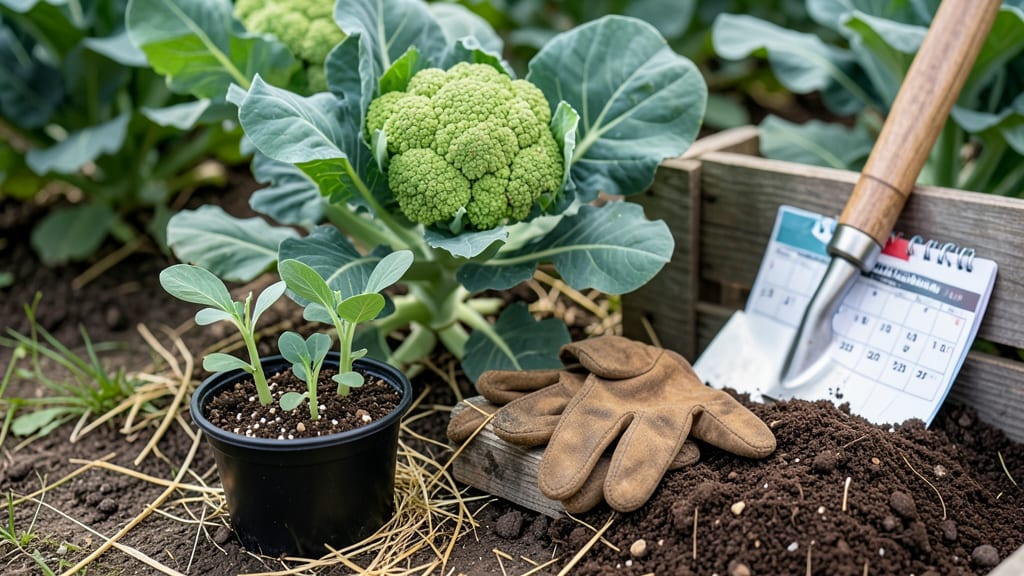
Knowing when to plant cauliflower in Georgia isn’t just about following a calendar—it’s about outsmarting the state’s unpredictable heat spikes and sudden frost risks. One wrong move, and your plants bolt before you even see a head, leaving you with bitter disappointment instead of a harvest.
The key? Nailing those microclimate-specific deadlines that separate successful gardens from failed experiments.
If you’ve ever wondered why your neighbor’s cauliflower thrives while yours struggles, it’s likely because they’re planting at the perfect soil temperature—not just the right date.
In Georgia’s 7b to 8b zones, late February through early March and August through early September are your golden windows, but the real magic happens in adjusting for mountain chill, Piedmont heat, or coastal humidity.
Let’s break down exactly when to start seeds, transplant seedlings, and protect your plants from Georgia’s most common pitfalls.
You don’t need a PhD in agriculture to grow cauliflower here—just a few practical tricks like succession planting and shade cloth timing. I’ll show you how to stretch your harvest from spring to fall, even in Georgia’s erratic weather, so you’re not left scrambling when the next heatwave hits.
Ready to turn your garden into a cauliflower powerhouse?
From choosing the right varieties for your region to avoiding the classic bolting trap, this guide gives you the exact steps to plant with confidence. Whether you’re a first-time gardener or a seasoned pro, these microclimate tweaks will have you harvesting firm, flavorful heads all season long—no guesswork required.
Georgia’s 3 best planting windows for cauliflower (avoiding bolting in every region)
Georgia’s USDA zones 7b-8b create a tricky balance for cauliflower growers. The state’s humid summers and unpredictable spring heat can cause plants to bolt prematurely, but precise timing minimizes this risk.
I’ve grown cauliflower across North Georgia’s mountains, Central Georgia’s Piedmont, and South Georgia’s coastal plains—here’s what I’ve learned about the perfect windows.
Your last frost date is the first critical deadline. In most of Georgia, this falls around March 15, but mountain regions like Dahlonega can see frost until April 1.
Coastal areas like Savannah rarely experience frost after February 28. These variations mean your planting schedule must adapt to your microclimate.
Cauliflower thrives in cool weather (55–75°F) and struggles when soil temperatures exceed 80°F. In Georgia, this means spring plantings must happen before April, while fall plantings should start by early September. Missing these windows risks bitter, inedible heads or plants that bolt into seed stalks.
| Region | Spring Planting Window | Fall Planting Window | Soil Temp Threshold | Key Risk |
|---|---|---|---|---|
| North Georgia (Mountains) | Late March - Early April | Mid-August - Late August | 60-65°F (minimum) | Late frost damage |
| Central Georgia (Piedmont) | Early March - Mid-March | Early August - Early September | 65-70°F (ideal) | Spring heat spike |
| South Georgia (Coastal) | February 20 - March 10 | Late July - Early August | 70-75°F (maximum) | Humidity stress |
For spring plantings, I recommend starting seeds indoors 6-8 weeks before your last frost date. This gives seedlings a head start in cooler conditions. For example, if your last frost is March 15, begin seeds by January 20.
Use grow lights to prevent leggy seedlings, and harden them off for 10-14 days before transplanting.
Transplant seedlings when soil temperatures are consistently above 60°F and nighttime temps stay above 50°F. In Central Georgia, this typically means mid-March. Use shade cloth (30-50%) for the first week to protect young plants from sudden heat spikes.
I’ve seen seedlings wilt dramatically when temperatures jump from 65°F to 85°F in a single day.
Fall plantings require even more precision. Seedlings must establish roots before September 15 to avoid bolting. In South Georgia, I’ve had success with late July transplants, while North Georgia growers should wait until mid-August.
Use row covers to extend the season—these can add 4-6 weeks of protection against early frosts.
One trick I’ve learned is to plant successionally in both spring and fall. For spring, stagger transplants every 2 weeks from March to April. For fall, repeat the process from August to early September.
This ensures a continuous harvest and reduces the risk of losing an entire crop to weather fluctuations.
Monitor your garden’s microclimate closely. Areas near trees or buildings may stay cooler longer, while south-facing beds heat up faster. Use a soil thermometer to check temperatures at 2-inch depth—this is the critical zone for cauliflower roots.
If soil temps exceed 80°F, your plants will bolt within 3-5 days.
Finally, choose bolt-resistant varieties like 'Snowball Y Improved' or 'Purple of Sicily' for Georgia’s climate. These tolerate heat better than standard varieties, giving you a 10-15% higher success rate in marginal conditions. Pair them with companion plants like bush beans or lettuce to improve soil moisture retention.
With these windows and techniques, you’ll avoid the bolting nightmare that ruins so many Georgia cauliflower crops. The key is precision timing—plant too early, and frost kills seedlings; plant too late, and heat sends them to seed.
Get it right, and you’ll enjoy crisp, flavorful heads from May through November.
How to extend your cauliflower season in Georgia (succession planting & shade tricks)
Georgia’s long growing season and unpredictable weather make extending your cauliflower harvest beyond the usual spring window both challenging and rewarding. With the right techniques, you can enjoy fresh heads well into fall and early winter, avoiding the dreaded bolting that comes with summer heat.
The key lies in strategic succession planting and protective measures like shade cloth and row covers.
Fall plantings are your best bet for a second harvest, but timing is critical. Start seeds indoors 8-10 weeks before your target transplant date, which for most of Georgia falls between mid-July and early August.
This gives seedlings enough time to mature before cooler temperatures arrive. For coastal areas with milder winters, you might even squeeze in a winter harvest with proper protection.
Here’s how to maximize your cauliflower season using proven Georgia-specific strategies:
✅ Step-by-Step Season Extension Guide
- Start late summer seeds indoors (mid-July) for August transplants—aim for 60°F soil temps before moving outdoors.
- Use shade cloth (30-50%) during peak afternoon heat (1 PM–5 PM) to prevent bolting in 90°F+ temperatures.
- Apply row covers at night in September to protect from unexpected frost (especially in North Georgia).
- Plant heat-tolerant varieties like 'Purple of Sicily' or 'Snowball Y Improved' for better fall performance.
- Harvest before first frost (typically mid-November in most zones) or use low tunnels to delay frost by 2–4 weeks.
For succession planting, stagger your sowings every 2–3 weeks from late July through early September. This ensures a continuous harvest rather than a single flush of maturity.
In USDA Zone 8a (common in Central Georgia), you can even try a winter crop by planting in late September and using thick row covers to insulate plants.
Watering becomes even more critical during fall plantings. Deep watering every 2–3 days (1–2 inches per week) prevents stress-induced bolting. Avoid overhead watering in the evening to reduce disease risk from Georgia’s high humidity. Mulch with straw or shredded leaves to retain moisture and regulate soil temperature.
Don’t overlook companion planting—pair cauliflower with bush beans or radishes to improve soil structure and deter pests like cabbage moths.
In South Georgia’s warmer microclimates, you might extend harvests until December with proper protection, while North Georgia growers should aim to finish harvests by late October before hard frosts arrive.
With these techniques, you can turn Georgia’s fall and winter into a productive cauliflower season—just remember: shade, succession, and timing are your secret weapons against bolting. 🌱