
Plants
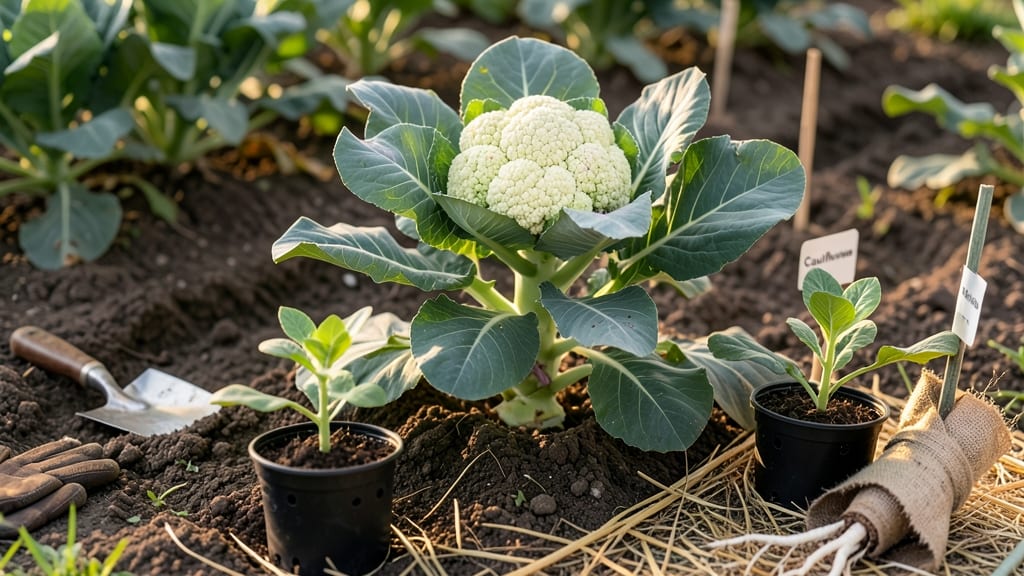
Knowing when to plant cauliflower in Michigan can mean the difference between a bumper crop and wasted effort—especially when unpredictable frost dates loom. This cool-weather crop 🥬 thrives in Michigan’s 5b-6b zones, but timing is everything to avoid bolting or stunted growth.
Spring plantings should start 4-6 weeks before your last frost date (typically mid-April to early June), while fall crops need to hit the ground by late July for a late-season harvest. The key? Soil temperatures between 50-60°F—too cold, and seedlings struggle; too warm, and heads form poorly.
Whether you’re growing early varieties like ‘Snowball Y’ or late-season ‘Purple of Sicily,’ I’ll break down the exact windows, soil prep tricks, and how to adjust for Michigan’s microclimates. Skip the guesswork and plant with confidence.
Ready to turn your garden into a cauliflower powerhouse? Let’s dive into the step-by-step schedule that’ll have you harvesting firm, flavorful heads all season long.
Michigan cauliflower planting timeline by soil temperature & frost dates
Cauliflower thrives in Michigan’s cool-season climate, but timing is critical. The last spring frost typically arrives between mid-April and early May, depending on your region (Southern Michigan vs Northern Michigan).
For fall crops, aim for late July to early August planting to harvest before the first frost in mid-October.
Soil temperature is your best guide: cauliflower seeds and transplants need consistent soil temps of 50-60°F. Use a soil thermometer to confirm—cold soil slows germination and stunts growth. In USDA Zones 5b-6b, this usually means waiting until after Mother’s Day in most areas.
For spring plantings, start transplants indoors 4-6 weeks before your last frost date. Harden them off before transplanting into the garden when soil reaches 55°F. In Southern Michigan, this often means mid-April to early May for direct sowing or transplanting.
Fall plantings require 12-14 weeks to maturity before frost. Seedlings should be in the ground by early August in most of Michigan. Use row covers to extend the season into early October if needed.
🌱 Critical Deadlines: Plant spring cauliflower 4-6 weeks before last frost (typically April 15-May 1); fall crops 12-14 weeks before first frost (typically July 15-August 1).
| Planting Window | Soil Temp Requirement | Frost-Free Days Needed | Best Varieties |
|---|---|---|---|
| Spring (Mid-April - Early June) | 50-60°F | 90-120 days | Snowball Y, Purple of Sicily |
| Fall (Late July - Early August) | 55-65°F | 70-90 days | Early Snowball, Graffiti |
Northern Michigan gardeners (e.g., Traverse City) should plant 2-3 weeks later than Southern Michigan (e.g., Detroit) due to later frost dates. Check your local frost calendar—Almanac.com’s frost maps are a great resource.
For succession planting, sow seeds every 2 weeks from April to June. This ensures a continuous harvest through summer and early fall. Use shade cloth in peak summer (July-August) to protect plants from bolting due to heat.
Always test your soil pH (aim for 6.5-7.0compost or lime if needed. Cauliflower is heavy feeders, so mix in aged manure or balanced fertilizer at planting time.
Pro tip: Blanch the heads 2-3 days before harvest by tying the outer leaves together. This keeps the curds tight and white for a longer shelf life.
Michigan cauliflower planting timeline by soil temperature & frost dates
Cauliflower thrives in cool weather, but Michigan’s unpredictable frost dates make timing tricky. For spring plantings, aim to transplant 4-6 weeks before your last frost date—typically mid-April to early May in most regions.
Fall crops need 12-14 weeks to mature before frost hits (mid-October), so plant late July to early August
Soil temperature is critical—cauliflower roots need 50-60°F soil to establish. Use a soil thermometer to confirm warmth before planting. In colder northern Michigan (USDA Zone 5b), wait until late May for spring plantings, while southern areas (Zone 6b) can start as early as April
For early varieties like ‘Snowball Y Improved,’ plant as soon as soil warms in spring (around April 15 in southern Michigan). Late varieties (e.g., ‘Purple of Sicily’) tolerate cooler temps and can handle light frosts, so extend your fall window by 2-3 weeks with row covers. Use microclimate advantages—southern exposures warm faster, while northern slopes stay cooler. In urban areas, pavement heat can push soil temps up 5-10°F higher than rural spots. Adjust planting dates accordingly by 1-2 weeks if your garden runs hotter. Always check your local frost dates via the Michigan State University Extension or Almanac. A late frost in May can devastate early plantings, while a warm September might let you squeeze in a second fall crop with quick-maturing varieties like ‘Early Snowball.’ Pro tip: Start transplants indoors under grow lights 6-8 weeks before your target outdoor date. Harden them off for 7-10 days before moving to the garden to avoid transplant shock.
Planting Window
Soil Temp Requirement
Frost Deadline
Michigan Region
Spring (Transplants)
50-60°F
4-6 weeks before last frost
Zone 5b: Late May
Zone 6b: April-May
Spring (Seeds)
45-50°F
Indoor start 8-10 weeks before transplant
Zone 5b: Start indoors March
Zone 6b: Start indoors Feb-March
Fall (Transplants)
50-60°F
12-14 weeks before first frost
Zone 5b: Late July
Zone 6b: Early August