
Plants
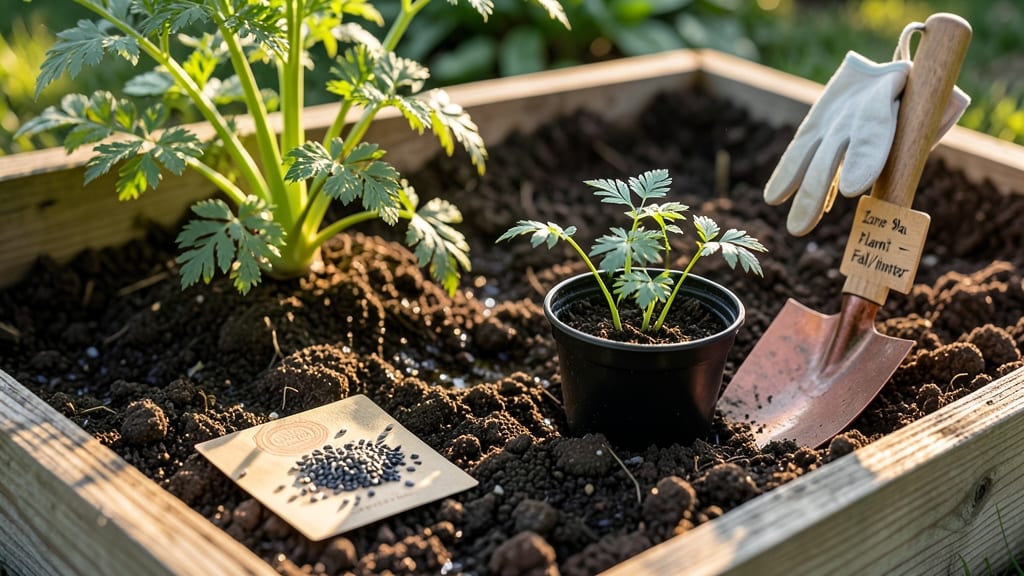
Timing is everything when you're planting carrots in Zone 9a—get it wrong, and you'll end up with bitter, woody roots or plants that bolt before they even mature. The secret to crisp, sweet 🥕 all season lies in understanding your local climate's quirks and working with them, not against them.
If you've ever struggled with carrots that turn tough or flower too early, you're not alone. Zone 9a's long growing season and warm winters create unique challenges, but they also open up planting windows most gardeners only dream about.
The key is knowing exactly when to start seeds and when to let your soil rest.
I'll walk you through the precise planting schedule that works for my Zone 9a garden—from the ideal fall windows when temperatures are perfect for germination to the often-overlooked winter opportunities that give you a head start on spring harvests.
No more guessing games about whether your carrots will survive the heat.
By the end, you'll have a clear plan for three successful planting seasons in Zone 9a, plus my top strategies for beating bolting and growing straight, flavorful roots even when the mercury rises. Let's get those seeds in the ground at exactly the right time.
Best planting windows for carrots in Zone 9a’s climate
Zone 9a’s mild winters and hot summers create unique challenges for growing carrots. Unlike cooler climates, you can’t plant them year-round—soil temperatures above 85°F trigger bolting (flowering), while summer heat causes woody roots. The key is timing: focus on fall, winter, and early spring when conditions are ideal.
Carrots thrive in cool-season windows when daytime temps stay between 60°F and 75°F. In Zone 9a, this means avoiding June through August, when even evening temps can stress seedlings. Instead, plan for September through March, when cooler nights and shorter days slow growth and prevent bolting.
Here’s the breakdown of your best planting windows, including soil temp targets and heat tolerance limits to maximize yield:
| Season | Ideal Planting Month | Soil Temp (°F) | Daytime Temp (°F) | Notes |
|---|---|---|---|---|
| Fall | September–October | 60–75°F | 70–85°F | Best window; harvest before winter solstice. |
| Winter | November–January | 50–65°F | 55–70°F | Slow growth; protect from frost if present. |
| Spring | February–March | 55–70°F | 65–80°F | Harvest before soil warms above 75°F. |
| Avoid | April–August | Above 85°F | Above 90°F | Risk of bolting and woody roots. |
For fall planting, aim for September 15–October 15 in Zone 9a. Soil should be warm but not hot—ideal temps are 60–75°F. Use shade cloth if daytime temps exceed 80°F to prevent bolting.
Carrots sown in late September will mature by December, giving you crisp roots before winter slows growth.
Winter planting (November–January) is trickier in Zone 9a due to variable frost risk. If you experience light frosts, use row covers or plant in microclimates (e.g., near south-facing walls).
Carrots grown in winter will mature slowly but avoid the summer heat stress that ruins texture. Harvest before March, when soil temps rise.
Spring planting in February–March gives you a second harvest window. Start seeds indoors in late January for transplants, or direct-sow in early February when soil temps drop below 75°F.
Avoid planting after March 15, as soil warms too quickly, leading to forked or bitter roots. Use succession planting every 2–3 weeks to extend harvests.
Pro tip: Test soil temps with a soil thermometer before planting—carrots won’t germinate well in soil above 80°F. If your garden heats up faster (e.g., dark soil or poor airflow), opt for shorter varieties like Paris Market or Little Finger, which mature faster and tolerate slightly warmer soils.
🌱
Best planting windows for carrots in Zone 9a’s climate
Zone 9a’s warm winters and long growing season make carrots a rewarding but tricky crop. The key is avoiding soil temperatures above 85°F, which causes bolting (flowering), and planting when days are cool but not freezing.
My best results come from three strategic windows: late summer, fall, and early spring.
Carrots thrive in 60–70°F soil, which in Zone 9a means focusing on September–November and February–April. Summer planting is a gamble—even shade won’t prevent heat stress. I’ve learned the hard way that May plantings often yield small, woody roots due to creeping heat.
| Season | Ideal Planting Month | Soil Temp | Notes |
|---|---|---|---|
| Late Summer | Late August–September | 65–75°F | Quick harvest before heat peaks |
| Fall | October–November | 60–70°F | Best for storage carrots |
| Early Spring | February–April | 55–65°F | Avoid frost-sensitive varieties |
For fall plantings, aim for 6–8 weeks before first frost (even if rare in Zone 9a). I’ve had success with November sowings that mature by December, giving sweet roots just in time for holiday meals. Use row covers if nights dip below 40°F to protect tender seedlings.
Spring is my favorite window—plant in February for baby carrots by April or March for full-sized roots by June. The trick? Start seeds indoors in late January and transplant when soil warms to 60°F. I’ve found shade cloth (30%) extends spring harvests by 2–3 weeks.
Zone 9a’s microclimates matter: Coastal areas stay cooler longer, while inland spots heat up faster. Test your soil with a thermometer—if it’s above 75°F, delay planting. My go-to varieties for heat tolerance are Danvers Half Long and Nantes, which handle brief heat spikes better than others.
Remember: Carrots hate competition. Plant them 2–3 inches apart in loose soil and keep weeds at bay. In Zone 9a, succession planting every 2 weeks ensures a steady harvest. With these windows, you’ll avoid the woody, bitter roots that plague summer plantings.