Plants
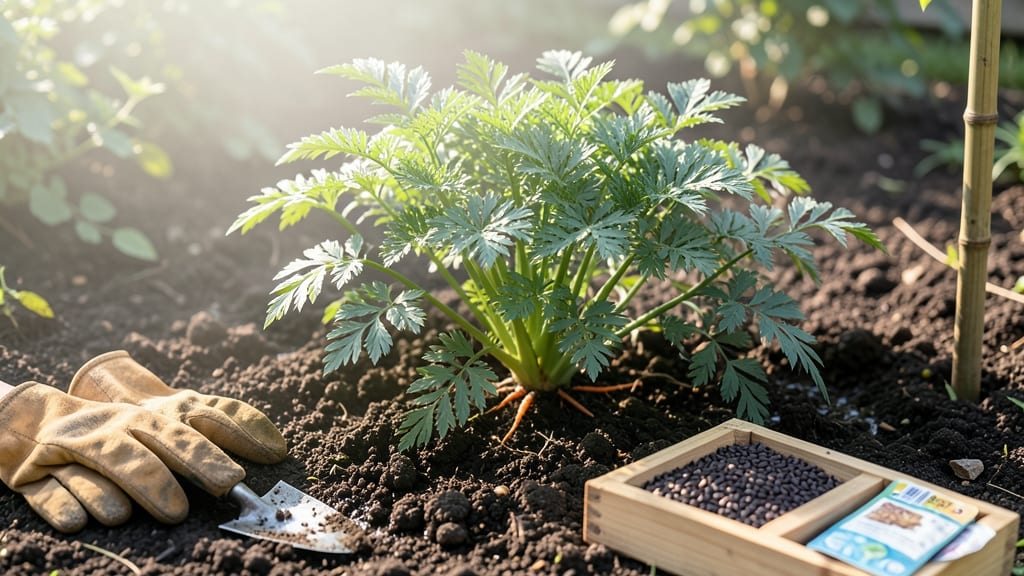
Timing your carrot 🥕 planting in Vermont isn’t just about sticking seeds in the ground—it’s about working with the state’s unpredictable frost dates and short growing season to guarantee sweet, crisp roots every time.
If you’ve ever planted carrots only to watch them bolt in the heat or freeze before harvest, you know the stakes.
Vermont’s USDA Zone 5b climate demands precision: plant too early, and frost will turn your seedlings to mush; too late, and your harvest window shrinks faster than a snowbank in July.
But here’s the good news: with the right schedule—two key planting windows in spring and fall—you can stretch your harvest from June to October, even in Vermont’s chilly conditions. I’ll walk you through the exact dates, soil prep tricks, and frost-proof strategies that actually work for our region.
Ready to stop guessing and start growing? Let’s dive into the frost-free timeline that’ll turn your garden into a carrot goldmine, no matter how many times Mother Nature throws a curveball.
Vermont carrot planting calendar: exact dates for frost-free success
Timing is everything when growing carrots in Vermont’s USDA Zone 4-5 climate. With an average last frost date of mid-May and first frost in mid-October, you’ve got just 150 frost-free days to grow a full crop.
Miss the window, and you’ll end up with stunted roots or bolted greens. Let’s break down the precise planting schedule to maximize your harvest.
For spring planting, aim for mid-April to early May—this gives carrots 80-90 days to mature before summer heat sets in. Fall planting should start late July to mid-August, allowing roots to develop before winter.
These windows ensure your carrots reach harvest-ready size (3/4 inch diameter) before cold snaps arrive.
Vermont’s short growing season means choosing the right varieties matters. Opt for short-season cultivars like ‘Early Nantes’ (58 days) or ‘Paris Market’ (60 days) for spring, and ‘Danvers’ (70 days) for fall. Longer-season varieties like ‘Chantenay’ (80 days) may not fully mature in Vermont’s climate unless planted early.
| Season | Planting Window | Soil Temp | Days to Harvest | Notes |
|---|---|---|---|---|
| Spring | Mid-April to early May | 50°F+ | 58-70 days | Use row covers for early starts |
| Summer (Succession) | Late May to June | 60°F+ | 60-65 days | Keep soil moist to prevent bolting |
| Fall | Late July to mid-August | 65°F+ | 70-80 days | Use cold-hardy varieties |
| Late Fall | Mid-August to early Sept | 55°F+ | 60-70 days | Harvest before hard frost |
Don’t let Vermont’s unpredictable weather derail your carrot plans. Always check your local last frost date—it can vary by 1-2 weeks depending on your exact location (e.g., Burlington vs. Rutland).
For extra protection, use frost blankets or cold frames to extend your growing window by 2-3 weeks in spring or fall.
Soil temperature is just as critical as air temperature. Carrot seeds need soil temps of at least 50°F to germinate reliably. Use a soil thermometer to confirm readiness—cold soil will leave you waiting weeks for sprouts.
In early spring, consider black plastic mulch to warm the soil faster and jumpstart your crop.
Pro tip: Plant a test row 2 weeks before your target date to gauge soil conditions. If germination is slow, wait another week. This small step can save you from planting too early and risking frost damage to tender seedlings.
Patience in spring pays off with crisp, sweet carrots all season long.
For fall planting, aim to harvest before hard frosts arrive—even cold-hardy carrots taste best when pulled before the ground freezes. If you’re unsure about frost dates, err on the side of earlier planting.
Carrots stored in sandy soil or containers can tolerate light frosts, but they’ll lose quality faster than fresh-pulled roots.
Vermont’s microclimates add another layer of complexity. Gardens in southern Vermont (like Bennington) may have 10-14 extra frost-free days compared to northern areas (like St. Johnsbury). Adjust your planting dates accordingly—southern growers can push spring planting 1 week later or extend fall harvests by 2 weeks.
Remember: Succession planting is your secret weapon. Instead of one massive planting, sow small batches every 2 weeks from April to July. This ensures a continuous harvest from June through October, even in Vermont’s short season. It’s the key to enjoying homegrown carrots all summer long.
How to extend your carrot harvest season in Vermont’s short growing season
Vermont’s cool climate and short growing season (just 150 frost-free days) can feel limiting for carrots, but with smart strategies, you can enjoy fresh roots from early summer through fall.
The key lies in succession planting, cold-hardy varieties, and protective tools like row covers. Let’s break down how to stretch your harvest window without sacrificing quality.
Start by planting short-season varieties like ‘Paris Market’ or ‘Early Nantes’, which mature in just 50-60 days. These are perfect for early spring or late summer plantings. Pair them with longer-maturing types like ‘Danvers’ (70 days) for a staggered harvest.
For example, sow ‘Paris Market’ in late April for a June harvest, then replant in early July for a September-October crop.
Succession planting is your secret weapon. Instead of one big planting, scatter seeds every 2-3 weeks from mid-April to early July. This ensures a continuous supply of baby carrots or mature roots. For fall, aim to plant 8-10 weeks before your first frost (typically mid-August in Vermont). Use short-day varieties like ‘Chantenay’, which thrive in cooler temps and store well.
Don’t overlook protective tools like floating row covers or low tunnels. These can push your harvest window 3-4 weeks later by shielding plants from light frosts (down to 25°F). For example, cover late August plantings to coax roots to maturity in October. Just
Choose bolt-resistant varieties like ‘Rainbow’ or ‘Solar’ to avoid the bitter taste and poor texture caused by temperature fluctuations. These varieties handle Vermont’s cool nights and variable spring weather better than standard types. Pair them with companion plants like leeks or rosemary, which deter pests and improve flavor.
Finally, harvest strategically to prolong production. Pull outer leaves regularly to reduce stress on the plant, and thin seedlings to 2-3 inches apart for larger roots. Store freshly harvested carrots in sandy soil or moist sand in a cool basement (around 32-40°F) for up to 3 months.
This lets you enjoy homegrown carrots long after your garden bed is snow-covered.