
Plants
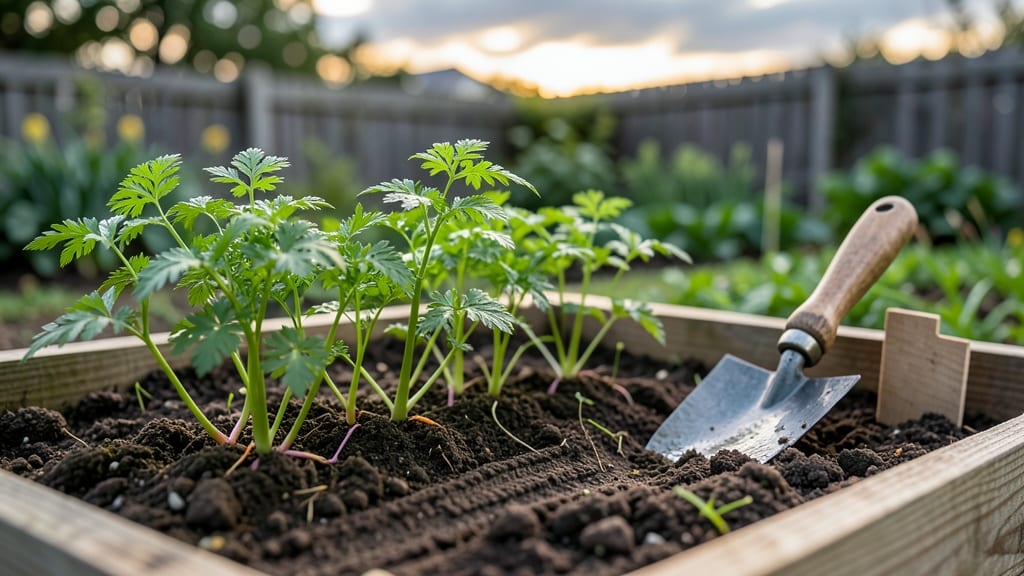
Timing your fall carrot planting just right could mean the difference between a goldmine of crisp, sweet roots and a disappointing harvest. With USDA Zone 6a frost creeping in by mid-October, getting those 🥕 seeds in the ground at the perfect moment is everything.
Most gardeners make one critical mistake: planting too late or too early, which leads to stunted growth or frost damage. But here's the good news—fall carrots actually thrive in cooler weather, producing sweeter, more flavorful roots when grown right.
The secret lies in understanding your local frost dates and soil conditions.
I'll walk you through the exact 4-8 week window before your first frost that works for your zone, plus soil prep tips to ensure straight, healthy roots. Whether you're a seasoned gardener or just starting, these insights will help you avoid common pitfalls and maximize your harvest.
Ready to grow carrots that taste like they came from a farmer's market? Let's dive into the step-by-step guide that'll have you pulling perfect roots from October straight through winter.
USDA zone-specific fall carrot planting dates by region
Fall carrot planting is all about timing—too early and you risk bolting, too late and frost ruins your harvest. The key is planting 4-8 weeks before your first frost date, when soil temps stay between 50-60°F for germination.
Here’s how to pinpoint your exact window based on your USDA hardiness zone.
Carrots thrive in cooler fall weather, developing sweeter roots when nights grow chilly. In Zones 3-5, aim for mid-August to early September plantings, while gardeners in Zones 6-10 can extend planting until late September or early October. Always check your local first frost date—this is your deadline.
Fall Carrot Planting Timeline by USDA Zone
| Zone | Planting Window | Soil Temp Threshold | First Frost Target |
|---|---|---|---|
| 3-5 | Mid-August to early September | 50-55°F | October 15-November 1 |
| 6-7 | Late August to mid-September | 55-60°F | October 1-November 15 |
| 8-10 | September 1-October 1 | 60-65°F | November 15-December 15 |
*Adjust dates 1-2 weeks earlier for high-altitude gardens or cooler microclimates.
For precise timing, use the USDA Plant Hardiness Zone Map to find your exact zone, then subtract 60 days from your first frost date. For example, if frost hits November 15 in Zone 6, plant by September 15. This ensures carrots mature before hard freezes.
Pro tip: In Zones 8-10, you can even plant a second crop in November for a winter harvest, using row covers to protect tender tops. Just be sure to choose cold-hardy varieties like 'Danvers' or 'Nantes' for best results.
Soil temperature is just as critical as dates. Use a soil thermometer to confirm temps are above 50°F before sowing. Cold soil slows germination, leading to patchy stands. If temps dip below 45°F, wait a week or use black plastic mulch to warm the soil faster.
Don’t overlook daylength sensitivity. Carrots planted too early in fall may bolt when days shorten. In Zones 3-5, start with short-day varieties like 'Chantenay' to prevent premature flowering. In warmer zones, intermediate-day types like 'Paris Market' adapt better to shifting light cycles.
For urban gardeners with limited space, container-growing carrots works well in fall. Use deep pots (at least 12 inches deep) and plant 2-3 weeks earlier than ground plantings—containers cool faster. Always place pots in full sun and keep soil consistently moist.
Remember: Frost isn’t the enemy—light frosts actually sweeten carrot roots! The goal is to harvest before hard freezes (below 20°F) that damage roots. In Zones 3-5, plan to harvest by late October, while Zones 6-7 can extend until mid-November.
Critical factors that determine fall carrot success (beyond dates)
Fall carrot planting isn't just about timing—your soil preparation and post-planting care directly impact whether you'll harvest crisp, sweet roots or misshapen, bitter ones. The right soil texture (loose, stone-free) is non-negotiable, as carrots need room to grow straight.
Even the best fall dates won't save you if your soil is compacted or rocky.
Start by testing your soil pH—carrots thrive in neutral to slightly acidic soil (6.0-7.0). If your soil is heavy clay, mix in compost or sand to improve drainage. I once planted carrots in untouched clay soil and ended up with crooked, stunted roots—a lesson I won't repeat!
A simple soil test kit (under $20) can save you from this frustration.
Another game-changer is companion planting. Carrots love being near leeks, rosemary, or chamomile, which deter pests like carrot flies. Avoid planting near onions, celery, or parsnips, as they share diseases. I interplant carrots with lettuce or radishes to maximize space and confuse pests naturally.
Once planted, consistent moisture is key—carrots need 1 inch of water per week, but avoid overwatering, which causes forked roots. Water deeply in the morning to reduce evaporation and fungal risks. A 2-3 inch layer of mulch (straw or shredded leaves) helps retain moisture and regulate soil temperature.
Watch for late-season pests like aphids or wireworms. If you spot chewed leaves or holes in the soil, act fast with neem oil or row covers. I once lost half my fall crop to wireworms—since then, I’ve added diatomaceous earth to the planting area as a preventative measure.
Finally, don’t ignore harvest timing. Carrots left too long in cold soil can become woody or split. Pull them when roots are 1-1.5 inches thick and tops are 3-4 inches tall for baby carrots, or wait until 6-8 inches tall for full-sized ones.
Store harvested carrots in sandy soil or damp sand in a cool, dark place to extend freshness.
By mastering these critical factors, you’ll transform your fall carrot patch from a gamble into a reliable harvest—no matter your USDA zone. The right soil, companions, and care make all the difference! 🌱🥕
⚠️ Common Mistakes to Avoid in Fall Carrot Planting
- Planting too late: Seeds need 50-60°F soil to germinate—waiting until October risks poor sprouting.
- Skipping soil prep: Heavy clay or rocks cause crooked roots. Always loosen soil to 12 inches deep.
- Overwatering: Leads to rotten roots. Water deeply but infrequently (1 inch/week).
- Ignoring pests: Wireworms and carrot flies thrive in fall. Use row covers or neem oil proactively.
- Harvesting too late: Frozen soil makes roots woody. Pull when tops are 3-4 inches tall for baby carrots.