
Plants
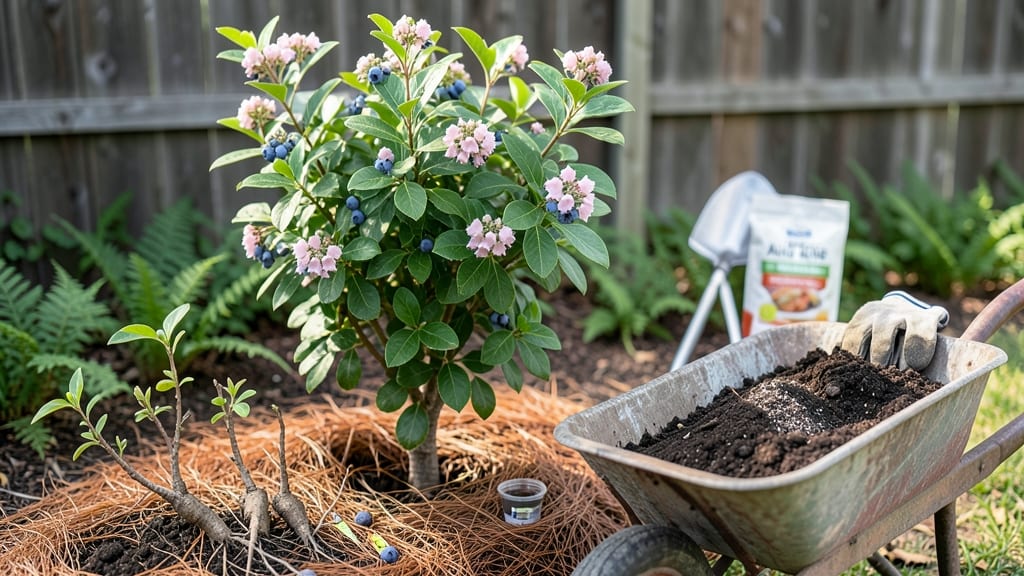
Knowing when to plant blueberries in Zone 5 can make or break your harvest—because these 🫐 bushes thrive only when given the perfect start. Unlike warmer climates, Zone 5's unpredictable late frosts and short growing season demand precise timing, whether you choose spring or fall planting.
The key to success lies in understanding your local frost dates and soil conditions. Planting too early risks frost damage, while waiting too long can stunt root growth before winter sets in.
I'll break down the best windows—late April to June for spring and September for fall—and share expert tips to give your bushes the strongest foundation possible.
From adjusting soil pH to protecting young plants from cold snaps, every detail matters in Zone 5. Whether you're a first-time gardener or a seasoned pro, these strategies will help you avoid common mistakes and set your blueberries up for a bountiful first harvest next summer.
Ready to transform your backyard into a blueberry powerhouse? Let's dive into the timing, prep, and care that will turn your new bushes into thriving, fruit-bearing plants year after year.
Best time to plant blueberries in Zone 5: spring vs fall planting guide
In Zone 5, planting blueberries at the wrong time can stunt growth or even kill young bushes before they establish roots. The two best windows are late spring (after last frost) and early fall (before first frost), but each has unique advantages for your climate.
Spring planting gives bushes a full growing season to root before winter, while fall planting lets them establish roots in cool soil before dormancy. Let's compare both methods to help you decide which works best for your schedule and local conditions.
🌱
| Blueberry Planting Comparison in Zone 5 | ||
|---|---|---|
| Factor | Spring Planting (Late April - Early June) | Fall Planting (September - Early October) |
| Ideal Temperature | 50-60°F (10-15°C) after last frost | 50-60°F (10-15°C) before first frost |
| Root Establishment | 6-8 weeks before winter dormancy | 8-10 weeks before winter |
| First Year Growth | Moderate (focuses on root growth) | Slower above-ground growth, stronger roots |
| Frost Risk | Low (after last frost) | Higher if planted too late |
| Watering Needs | High (establishing in warm weather) | Moderate (cooler temps reduce evaporation) |
| Best For | Busy gardeners who can commit to summer care | Those who prefer cooler planting conditions |
| Zone 5 Specific Tip | Use frost blankets if late spring planting | Plant by mid-September for best results |
For Zone 5 gardeners, fall planting often gives bushes a slight edge because the cool soil temperatures reduce stress. However, spring planting allows for earlier fruit production if you're patient.
I recommend fall planting for most beginners because it reduces summer watering demands while still giving roots time to establish.
If you choose spring planting, aim for late April to early June—after your last expected frost date (typically mid-May in Zone 5). For fall, September is ideal, with early October as a cutoff before winter dormancy begins.
Both methods work well, but success depends on soil preparation and aftercare. Acidic soil (pH 4.5-5.5) is non-negotiable for blueberries, and mulching heavily helps retain moisture and regulate soil temperature during both planting seasons.
🌿
Pro tip: If you're unsure about your last frost date, check local agricultural extension services or use a frost calendar for your specific county. In Zone 5, late frosts can occur well into May, so don't rush planting—wait until the danger has passed to avoid shocking tender new growth.
Remember, blueberries are perennial plants, so taking the time to plant correctly now will pay off with years of harvests. Whether you choose spring or fall, proper timing sets the foundation for a healthy, productive bush that will thrive in your Zone 5 climate.
Best time to plant blueberries in Zone 5: spring vs fall planting guide
In Zone 5, blueberries thrive when planted during two distinct windows: late spring or early fall. Each season offers unique advantages, but timing matters to avoid late frosts or early winter chill. Let's break down the best months and why they work for your climate.
The ideal planting window in Zone 5 spans from late April to early June for spring and September to early October for fall. Spring planting gives bushes time to establish roots before summer heat, while fall planting allows roots to settle before winter dormancy.
Both approaches work, but each has trade-offs.
🔹 Spring planting (April-May) is ideal when soil temperatures reach 45°F (7°C) and last frost dates have passed. This gives young bushes 6-8 weeks to root before summer heat stress. However, planting too early risks frost damage to tender new growth.
| Factor | Spring Planting (April-June) | Fall Planting (September-October) |
|---|---|---|
| Best Months | Late April–Early June | September–Early October |
| Soil Temp | 45–60°F (7–15°C) | 50–65°F (10–18°C) |
| Root Growth | Moderate (summer heat risk) | Optimal (cool roots before winter) |
| Frost Risk | Low (after last frost) | Moderate (early winter chill) |
| First Fruit | Year 3–4 | Year 2–3 |
Fall planting is often preferred in Zone 5 because cooler temperatures reduce transplant shock and allow roots to establish before winter. Aim to plant 6–8 weeks before your first frost (typically mid-October in Zone 5). This gives bushes time to harden off and survive winter dormancy.
For both seasons, avoid planting when soil is waterlogged or frozen. In spring, wait until the ground thaws and drains well. In fall, plant before soil temps drop below 40°F (4°C). Use a soil thermometer to check—this is critical for root health.
Pro tip: If you miss the ideal windows, bare-root blueberries can be planted in early spring (March) as long as the ground isn’t frozen. Just be ready to protect young plants from late frosts with row covers or mulch.