
Plants
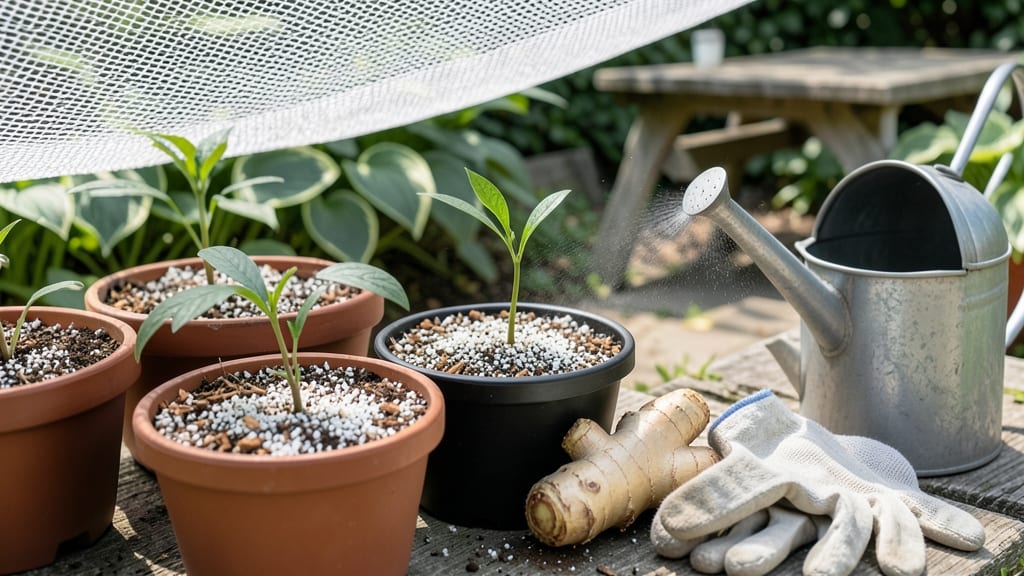
If you’ve ever wondered when to plant ginger in Zone 9, the answer isn’t as simple as "spring" or "fall"—it’s about avoiding the heat and giving your rhizomes the perfect start.
Unlike colder zones, Zone 9’s frost-free winters mean you can plant ginger year-round, but timing still matters to prevent rot or stunted growth.
Ginger thrives in Zone 9’s mild winters, making January through March the sweet spot for planting. This window lets the roots establish before summer’s intense heat kicks in, ensuring a stronger harvest by October or December. Skipping this timing could mean smaller yields or even lost plants.
Here’s the game-changer: ginger grows as a perennial in Zone 9, but it’s treated like an annual for harvests. By planting in winter, you skip the frost risk entirely and align with the plant’s natural cycle—cooler temps, partial shade, and consistent moisture set the stage for success.
I’ll walk you through the exact steps to time your planting, from soil prep to post-harvest care, so you can enjoy fresh ginger straight from your garden. Let’s get those rhizomes in the ground the right way!
Best planting times for ginger in Zone 9: spring vs. fall breakdown
Zone 9’s warm climate makes ginger a year-round possibility, but timing still matters. Unlike tropical climates, ginger thrives best when planted during cooler months to avoid soil overheating. The ideal window spans January through March, when temperatures hover between 70-85°F—perfect for rhizome establishment without fungal risks.
Fall planting is possible but riskier. While ginger can handle Zone 9’s mild winters, planting after October 15 may lead to stunted growth or inconsistent harvests. The key is balancing soil warmth and rainfall patterns—Zone 9’s winter rains can drown rhizomes if drainage isn’t ideal.
🌱 Key Insight: Ginger is a perennial in Zone 9 but is typically grown as an annual crop for simplicity. This means you’ll replant each year, but with the right timing, you can enjoy year-round harvests by staggering plantings.
| Factor | Spring Planting (Jan-Mar) | Fall Planting (Oct-Nov) |
|---|---|---|
| Soil Temp | 70-85°F (ideal) | 60-75°F (cooler but manageable) |
| Rainfall | Moderate (Jan-Mar) | High (Oct-Nov) |
| Growth Speed | Fastest (10-12 months to harvest) | Slower (12-14 months) |
| Harvest Window | Oct-Dec (same year) | Oct-Dec (next year) |
| Microclimate Tip | Coastal areas: Plant by Feb 15 | Inland areas: Plant by Oct 1 |
🌿 Pro Tip: Use a soil thermometer to confirm temps before planting.
For coastal Zone 9 (e.g., Southern California), spring planting is ideal. The Pacific Ocean’s cooling effect keeps soil temperatures stable, while inland areas (e.g., Arizona) benefit from fall planting to avoid summer’s extreme heat.
If you’re in a transition zone (e.g., near the Zone 8/9 border), aim for late January plantings. This gives rhizomes time to establish before peak summer heat arrives in June. Monitor your local USDA frost maps—even Zone 9 can see rare cold snaps.
Another critical factor is rhizome quality. Always use organic, disease-free rhizomes from reputable suppliers. Soak them in warm water for 6 hours before planting to encourage sprouting. This step is non-negotiable in Zone 9’s humid climate.
Remember: ginger in Zone 9 grows best with partial shade. Morning sun is perfect, but afternoon shade prevents wilting. Use 30-50% shade cloth if your garden gets intense midday sun. This simple adjustment can double your yield.
Finally, mulching is your best friend. Apply 2-3 inches of straw or wood chips after planting to retain moisture and regulate soil temperature. In Zone 9’s dry spells, this can mean the difference between a thriving patch and a struggling crop.
For maximum harvests, consider staggered plantings. Plant a small batch in January, another in March, and a final one in October. This ensures a continuous supply of fresh ginger year-round.
Best planting times for ginger in Zone 9: spring vs. fall breakdown
Zone 9’s warm climate makes ginger a year-round possibility, but timing still matters. Unlike cooler zones, you won’t battle frost—just heat and humidity. The ideal window is January through March, when soil temperatures hover between 70-85°F and afternoon heat is less intense.
This gives rhizomes time to establish before summer’s peak.
Fall planting is possible but riskier. If you opt for October-November, focus on coastal areas where humidity lingers. Inland spots may dry out too quickly, stalling growth. Remember: ginger thrives on consistent moisture, not drought.
| Factor | Spring Planting (Jan-Mar) | Fall Planting (Oct-Nov) |
|---|---|---|
| Soil Temp | 70-85°F (ideal) | 65-75°F (cooler risk) |
| Humidity | Moderate (safe) | High (coastal) or low (inland) |
| Sun Exposure | Morning sun only | Partial shade critical |
| Harvest Window | Oct-Dec (10-12 months) | May-July (shorter season) |
| Best For | First-time growers | Experienced gardeners |
Microclimates in Zone 9 can shift planting windows by weeks. Coastal areas like San Diego or Santa Barbara stay milder longer, allowing fall planting into early December. Inland spots like Phoenix or Las Vegas should stick to spring. Use a soil thermometer—ginger rhizomes rot if soil exceeds 85°F.
Pro tip: Pre-soak rhizomes for 6-8 hours before planting to jumpstart growth. This is especially critical in dry inland zones where summer drought can creep in early. Pair this with mulching (2-3 inches of straw) to lock in moisture.
Zone 9’s lack of frost means ginger grows as a perennial, but harvest timing still matters. For the sweetest flavor, aim to harvest when foliage yellows—typically October-December for spring plantings. Fall-planted ginger may mature faster but often yields smaller rhizomes.
If you’re in a high-humidity area (like Miami or Houston), watch for fungal risks. Space plants 12 inches apart and avoid overhead watering. For low-humidity zones, group plants together to create a microclimate that retains moisture.
Remember: ginger in Zone 9 is a long-term investment. While harvests appear in 10-12 months, the plant itself can live for years if left undisturbed.
Plan your garden layout accordingly—ginger thrives in partial shade and rich soil, making it a great companion for other tropical plants like banana trees or citrus.☀️