
Plants
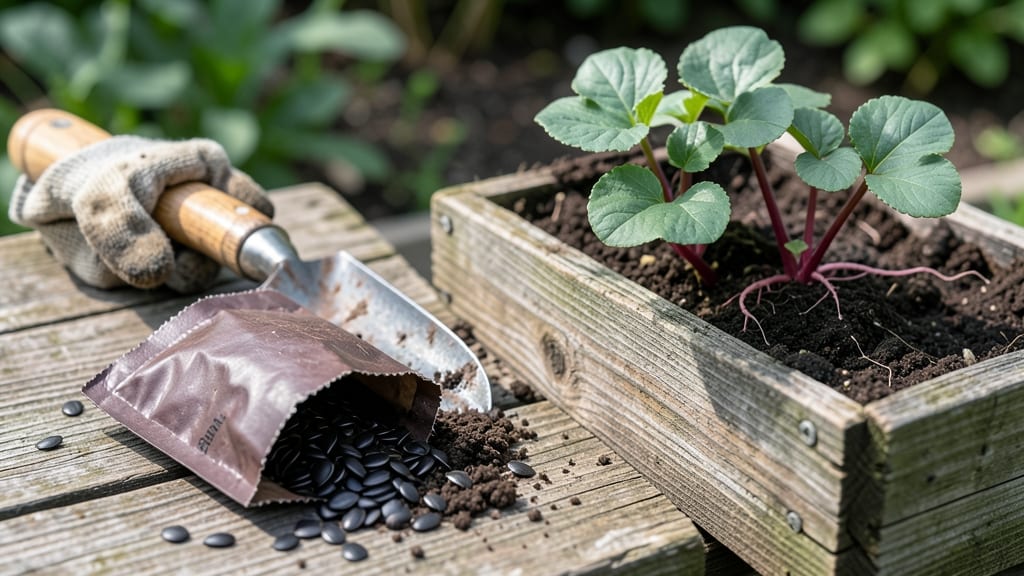
Timing your beet 🍠 planting in Zone 7a can mean the difference between a bumper crop of sweet, tender roots and a disappointing harvest. Miss the window, and you risk bolting plants or stunted growth—both of which ruin the flavor and texture you love.
The key is knowing exactly when to sow seeds for the best results, whether you're planting in early spring or late summer.
In Zone 7a, where last frosts typically arrive around March 15, the ideal time to start beets is 4–6 weeks before the final frost date. This gives seedlings enough time to mature before summer heat sets in.
But don’t stop there—late summer plantings (around August) can extend your harvest well into fall, as long as you account for the 60–75 days it takes for roots to reach perfection.
What makes this timing even trickier is Zone 7a’s microclimates—whether you're in the Piedmont, Coastal Plain, or Northern Virginia, soil temperatures and frost patterns vary.
I’ll break down the exact dates and strategies to ensure your beets thrive, from soil prep to succession planting, so you can enjoy homegrown harvests all season long.
Ready to grow bold, straight beets that rival store-bought? Let’s dive into the precise planting schedule that works for your climate, so you can avoid common mistakes and enjoy a garden full of vibrant 🍠 roots.
Optimal spring planting dates for beets in Zone 7a
Zone 7a’s unpredictable spring weather makes timing critical for beets—plant too early, and frost will kill tender seedlings; too late, and your harvest arrives when summer heat causes bolting. The sweet spot? 2–4 weeks before your last frost date, when soil temperatures hit 50°F (10°C) consistently.
For most of Zone 7a (including Northern Virginia, Piedmont, and Coastal Plain), this means mid-March to early April.
Start seeds indoors 4–6 weeks before transplanting to extend your season. Harden off seedlings for 7–10 days before moving them outdoors, ensuring they’re ready for Zone 7a’s fluctuating temperatures. Use row covers if nights dip below 40°F (4°C) to protect young plants.
Soil temperature is your best indicator—use a soil thermometer to confirm 50°F (10°C) minimum. Cold soil slows germination, leading to uneven sprouts or poor establishment.
If your soil is still chilly, wait another week or two. Northern Virginia’s cooler microclimates may need to delay until early April, while Coastal Plain areas can start slightly earlier.
| Stage | Action | Zone 7a Timing |
|---|---|---|
| Prep Soil | Amend with compost; ensure drainage | Late February–early March |
| Direct Sow | Plant seeds ½" deep, 1–2" apart | Mid-March–early April |
| Thin Seedlings | Space to 3–4" apart; harvest thinnings | 3–4 weeks after sowing |
| Fertilize | Light feed (5-10-10) after thinning | April–May |
| Harvest | Pull roots at 1–3" diameter | Late May–July |
For successive harvests, sow new seeds every 2 weeks after your initial planting. This ensures a steady supply of tender beets throughout spring and early summer. Use shade cloth during peak heat (above 80°F/27°C) to prevent bolting, which turns roots woody and bitter.
If your Coastal Plain area experiences earlier warming, start in late February but be prepared to protect seedlings with row covers if frost returns. Piedmont regions with cooler nights should wait until early April for safer germination.
Always check your local USDA frost calendar—Zone 7a’s last frost can vary by 2–3 weeks across the region.
Container growing works in Zone 7a, but choose deeper pots (12"+) to accommodate root growth. Plant 2–3 seeds per container and thin to the strongest seedling. Containers warm up faster than soil, so start them 3–4 weeks earlier than in-ground plantings to align with your outdoor schedule.
Watch for soil crusting after rains—beets need consistent moisture but hate soggy soil. Mulch with straw or grass clippings to retain moisture and suppress weeds, which compete for nutrients. Drip irrigation is ideal for even watering without disturbing seedlings.
By following these Zone 7a-specific windows, you’ll avoid the most common pitfalls—frost damage, bolting, and poor germination—and enjoy sweet, straight beets from spring through summer. 🌱
Fall planting strategy: extending beet harvest before winter
Fall planting lets you enjoy sweet beets long after summer’s heat fades, but timing is everything in Zone 7a. Start seeds 8–10 weeks before your first frost (around late July to early August) to ensure roots mature before winter sets in.
This window gives beets 60–75 days to grow—just enough to develop tender, flavorful roots before cold slows them down.
Choose cold-hardy varieties like ‘Detroit Dark Red’ or ‘Golden’ for fall. These varieties tolerate light frosts (down to 25°F/-4°C) and even sweeten when exposed to cool nights. Avoid heat-sensitive types like ‘Chioggia’, which bolt quickly in late summer’s warmth.
- 📅 Sow seeds in late July–early August for a fall harvest before frost.
- 🌡️ Aim for soil temps below 70°F (21°C) to prevent bolting.
- 🌱 Thin seedlings to 3–4 inches apart for straight, uncrowded roots.
- 🍂 Mulch with straw or leaves to insulate roots from early frosts.
- ❄️ Harvest before hard frosts (below 20°F/-7°C) or protect with row covers.
For a prolonged harvest, make succession plantings every 2 weeks from mid-July through early August. This staggered approach ensures a steady supply of beets as temperatures drop. If your Coastal Plain area has milder winters, you might even harvest into December with protection.
Watch for early frost warnings—if temperatures dip below 30°F/-1°C, cover plants with lightweight row covers or old blankets to shield them overnight. Beets can survive light frosts, but prolonged cold turns roots woody and bitter.
Use a soil thermometer to monitor temperatures; aim to harvest before roots freeze solid.
Container growing works well for fall beets, especially in urban gardens with limited space. Use 12-inch-deep pots and plant 2–3 seeds per container. Move containers to a sunny, sheltered spot and bring them indoors if frost threatens. This flexibility lets you extend your harvest even in small spaces.
Fall beets thrive with consistent moisture but avoid overwatering as temperatures drop. Reduce watering slightly in September to harden off roots before harvest. A light mulch of straw keeps soil moist and insulates roots from temperature swings.
With the right timing and care, you’ll enjoy homegrown beets well into autumn—long after summer crops have faded. 🌿