
Plants
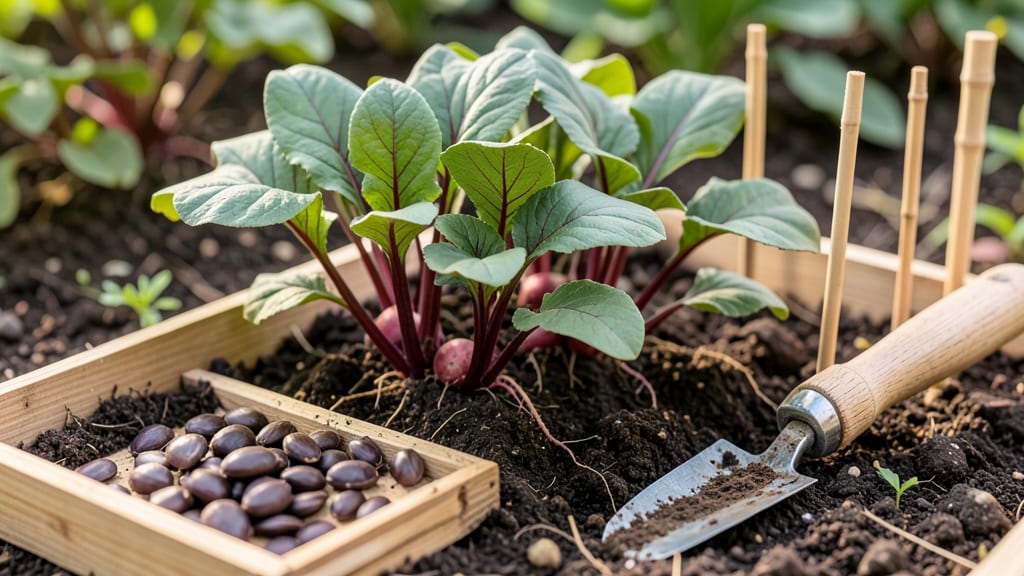
When to plant beet seeds in Zone 6 is the key to avoiding tough, woody roots or bolting—two common pitfalls that can ruin your harvest. Plant them too early, and you’ll end up with tough, woody roots; too late, and summer heat will send them bolting before you even get a chance to enjoy them.
Here’s the secret: beets love cool weather, so the best windows are right after your last frost in spring or before the heat sets in during late summer. I’ve tested these exact timing strategies in my own Zone 6 garden, and they’ve never failed me.
Whether you’re growing Detroit Dark Red or sweet golden varieties, this guide will walk you through the precise weeks before frost that guarantee tender, flavorful beets. No more guesswork—just a foolproof schedule for your garden calendar.
Ready to unlock the most efficient way to grow beets year after year? Let’s dive into the exact planting schedule that works for Zone 6’s unpredictable climate.
Best planting windows for beets in Zone 6: weeks before/after frost
In Zone 6, timing is everything when planting beet seeds. These cool-season crops bolt—or go to seed—when temperatures rise above 75°F (24°C). To avoid bitter greens and stunted roots, focus on two ideal windows: early spring and late summer.
Planting too late in spring or too early in fall risks poor yields, so let’s break down the exact schedule for your region.
Most Zone 6 gardens experience their last spring frost around mid-April, while the first frost arrives in mid-October. Beets thrive when soil temperatures hover between 50°F (10°C) and 70°F (21°C).
Planting 4-6 weeks before your last frost date ensures optimal growth, while late-summer sowings should occur 8-10 weeks before the first frost to allow for a full harvest.
Here’s the critical timeline you need to follow for maximum beet production in Zone 6:
| Planting Window | Weeks Before/After Frost | Ideal Soil Temp (°F) | Notes |
|---|---|---|---|
| Early Spring | 4-6 weeks before last frost (March-April) | 50-60°F (10-15°C) | Start indoors 4 weeks before last frost for head start. |
| Late Summer | 8-10 weeks before first frost (July-August) | 60-70°F (15-21°C) | Use shade cloth if temps exceed 75°F (24°C). |
| Fall Extension | 12 weeks before first frost (September) | 50-60°F (10-15°C) | Cover with row fabric for frost protection. |
For spring plantings, aim to sow seeds in March or early April when soil temperatures are consistently above 50°F (10°C).
In my garden, I’ve found that Detroit Dark Red and Golden varieties perform best when started in late March, giving them enough time to mature before summer heat sets in.
If you’re unsure about your last frost date, check your local USDA Plant Hardiness Zone Map or use a soil thermometer to confirm readiness.
Late-summer plantings are just as crucial for a fall harvest. Sow seeds in July or early August, but be prepared to provide shade during heatwaves. I’ve had success using 30% shade cloth to keep soil temperatures below 75°F (24°C), which prevents bolting.
This second planting often yields sweeter beets, as they develop in cooler fall weather.
One common mistake is planting beets too early in February, when soil is still cold and slow to warm. While some cold-hardy varieties like ‘Burpee’s Golden’ can tolerate light frosts, they’ll grow sluggishly in freezing temperatures.
Wait until soil reaches at least 50°F (10°C) before sowing. You can test this by pressing your hand into the soil—if it feels warm to the touch, it’s ready!
If you’re eager to start even earlier, consider starter plants or container gardening near a south-facing window. Beets grow well in pots, and you can transplant seedlings outdoors once temperatures stabilize. This method gives you a 2-3 week head start on the season, extending your harvest window.
For continuous harvests, stagger your plantings every 2-3 weeks during the spring and fall windows. This ensures a steady supply of fresh beets from late May through October. In my experience, this method also reduces the risk of bolting, as younger plants are less sensitive to heat spikes.
Always remember: beets are cool-season crops, and their success hinges on timing. By following this schedule, you’ll avoid the disappointment of bitter greens or woody roots—and enjoy a bounty of sweet, tender beets all season long. Happy planting!
Best planting windows for beets in Zone 6: weeks before/after frost
In Zone 6, timing is everything for growing beets. These cool-weather crops thrive when soil temperatures hover between 50°F and 70°F. Planting too early in cold soil or too late in summer heat can cause bolting or poor root development.
For spring crops, aim to sow seeds 4-6 weeks before your last frost date—typically mid-March to early April in most of Zone 6.
For fall harvests, focus on late summer sowings. Start seeds 8-10 weeks before your first frost (around mid-July to early August). This ensures beets mature before cold weather sets in. In Zone 6, where frost arrives around mid-October, this timing guarantees a full harvest before winter.
| Planting Window | Soil Temp | Harvest Time | Notes |
|---|---|---|---|
| Early Spring (March-April) | 50°F-60°F | May-June | Ideal for baby beets; avoid bolting |
| Late Summer (July-August) | 60°F-70°F | September-October | Best for full-sized roots; tolerate light frost |
| Succession Planting (April-July) | 55°F-65°F | May-September | Staggered sowings every 2-3 weeks |
If you're unsure about your exact last frost date, use Zone 6's average of mid-April as a guideline. For example, if your frost date is April 15, plant seeds by March 15 for spring beets.
In late summer, count back 8 weeks from your frost date to determine your final planting window.
For succession planting, sow seeds every 2-3 weeks from spring through early summer. This ensures a continuous supply of fresh beets. Just avoid planting after mid-July, as the heat will trigger bolting—the plant's natural response to stress that makes greens bitter and woody.
Pro tip: Use black plastic mulch in late summer plantings to keep soil cool and prevent bolting. This simple trick extends your harvest window by 2-3 weeks in Zone 6's warmer months. Always water deeply after sowing to encourage germination in the 50°F-60°F soil range.
Remember, beets are cold-hardy but not frost-tolerant. While they can handle light frosts, they won't thrive in freezing temperatures. Plan your fall harvest to finish before October 15 in most of Zone 6 to avoid stunted growth or poor flavor.