
Plants
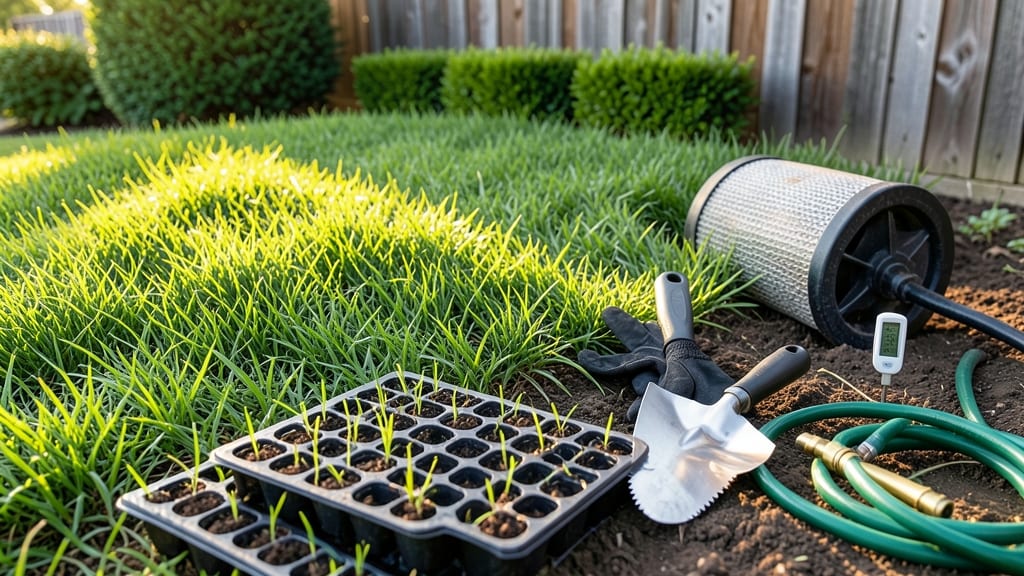
Planting Bermuda grass at the wrong time in Florida can mean the difference between a lush, green lawn and a patchy, struggling one. The key to fast establishment lies in understanding the ideal months—when soil temperatures are just right and rainfall supports root growth.
Florida’s unique climate means you’ve got two perfect windows: spring and late summer, each offering distinct advantages for your 🌱 Bermuda grass.
If you’ve ever wondered why some lawns take off while others lag, timing is the most important factor. Planting in March through May gives your grass a head start before summer’s heat, while late summer (August to September) helps it establish before winter slows growth.
These windows align perfectly with Florida’s 8a-11 zones, where frost isn’t a concern but heat and humidity play a big role.
I’ve seen firsthand how a few weeks can make or break a lawn’s success. The right timing means faster root development, better drought resistance, and a lawn that stays thick and vibrant all year.
Let’s break down exactly when to plant for maximum results—and how to avoid common mistakes that slow down growth.
Whether you’re starting from seed or sod, these insights will help you skip the guesswork. Ready to transform your Florida yard into the envy of the neighborhood? Let’s get started with the best months to plant Bermuda grass for a lawn that takes over fast.
Best months to plant Bermuda grass in Florida for maximum growth
Bermuda grass (Cynodon dactylon) is a powerhouse for Florida lawns, but planting it at the wrong time can leave your yard struggling. The ideal window depends on Florida’s two distinct growing seasons: spring and late summer.
For spring planting, aim for April to May when soil temperatures consistently stay above 65°F—perfect for seed germination and root development.
If you prefer late summer planting, August to September is your best bet. This timing lets the grass establish roots before cooler months slow growth. Southern Florida’s warmer climate may extend your window slightly, while North Florida gardeners should wait until after the last frost risk (usually mid-March).
Why does timing matter so much? Bermuda grass grows aggressively in warm weather, but seeds need consistent warmth to sprout. Planting too early (February or early March) risks slow germination or even seed rot from cool, wet soil.
Conversely, planting too late (October or later) gives the grass less time to root before winter dormancy sets in.
Here’s how Florida’s three regions differ in their ideal planting times:
| Region | Best Planting Window | Key Consideration |
|---|---|---|
| North Florida (Zones 8a-9a) | April–May or August–September | Wait for soil temps >65°F; avoid early frost risk. |
| Central Florida (Zones 9b-10a) | March–April or July–August | Longer growing season; can plant slightly earlier. |
| South Florida (Zones 10b-11) | February–March or June–July | Year-round warmth; avoid peak summer heat. |
For fastest establishment, focus on soil temperature over calendar dates. Use a soil thermometer to confirm temps are above 65°F at 4-inch depth.
In Florida’s humidity, high heat can also stress young seedlings, so late afternoon shade (like from a temporary shade cloth) can help during peak summer planting.
Rainfall patterns play a role too. Florida’s wet summer months (June–September) can lead to fungal issues if seeds aren’t planted deep enough. Aim to plant when rainfall is moderate—typically April–May or August–September—to balance moisture without waterlogging.
If you’re planting in dry spells, supplement with drip irrigation to keep soil evenly moist.
Pro tip: If you’re overseeding an existing lawn, late summer (August–September) is ideal. The cooling trend in late summer gives new grass a competitive edge over weeds and existing turf. For new lawns, spring planting often yields thicker coverage by summer’s end.
One common mistake? Assuming “as soon as possible” is best. Bermuda grass seeds won’t germinate in cool soil, no matter how eager you are. Patience pays off—wait for the right conditions, and your lawn will take off like a rocket.
Ready to dive deeper? The next section covers pre-planting prep, including soil testing, weed control, and the tools you’ll need to set your Bermuda grass up for long-term success. 🌱
How to prepare your Florida lawn for Bermuda grass planting success
Preparing your lawn for Bermuda grass is the secret to a thick, vibrant lawn that takes over quickly. Florida’s sandy soil and high humidity create unique challenges, so proper prep is non-negotiable.
Start by testing your soil’s pH level—Bermuda grass thrives in slightly acidic to neutral soil, ideally between 6.0 and 7.0. If your soil is off, amend it with lime (to raise pH) or sulfur (to lower pH) 2-3 months before planting.
Weeds are Bermuda grass’s biggest enemy, especially in Florida’s warm climate. Before planting, apply a pre-emergent herbicide to prevent weeds from competing for nutrients. Focus on broadleaf weeds like clover and grass weeds like crabgrass, which can choke out your new Bermuda.
Timing is key—apply herbicide 4-6 weeks before seeding to give it time to work.