
Plants
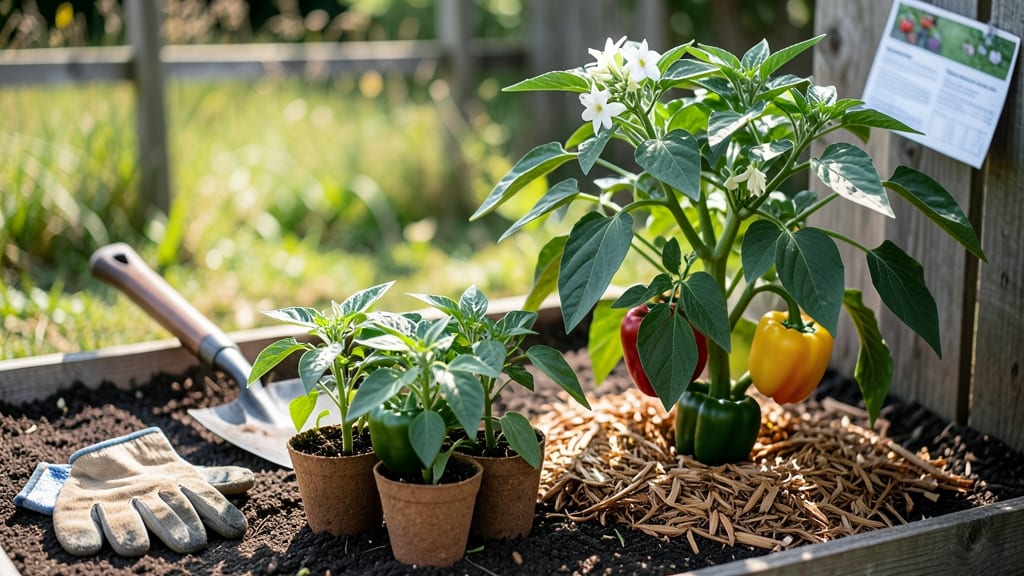
Timing your bell pepper planting in Virginia can make the difference between a bumper crop and a sad, wilted garden. With USDA zones 6a-8a offering diverse microclimates, knowing when to plant is the key to avoiding frost damage while maximizing your harvest from July to October.
Most gardeners in Virginia wait until after the last frost—typically around April 15—but the exact window depends on where you live. Whether you're in the Coastal Plain or the Blue Ridge Mountains, getting the soil temperature right (at least 60°F) and accounting for local weather patterns is critical.
Miss this window, and you might end up with peppers that never fully mature.
I’ve grown 🌶️ bell peppers in Virginia for years, and I’ve learned that transplanting too early can leave your plants vulnerable, while waiting too long risks cutting your harvest short. The solution? A strategic approach tailored to your specific region’s frost dates and growing season length.
In this guide, I’ll break down the exact planting windows for Virginia’s climate zones, share tips for adjusting to unpredictable weather, and recommend the best pepper varieties for your area. Let’s get your garden on track for a successful harvest!
Virginia’s last-frost dates by region: the exact window to plant bell peppers
Virginia’s climate varies dramatically from the Coastal Plain to the Appalachian Plateau, making last-frost dates critical for bell pepper success. In Zone 7a (common in Piedmont), average last frost is April 15, while Zone 6a (Blue Ridge) may see frost until May 1.
Southern regions like the Coastal Plain (Zone 8a) can plant as early as March 15, but Northern areas must wait until May 15 for safety.
Bell peppers thrive with 60°F soil temperatures and 165-200 frost-free days. Early planting in Northern Virginia risks late frosts, while Southern gardeners can start indoor seedlings in March.
Use these regional guidelines to align planting with your local climate—because even a single frost can wipe out your crop.
🌱
| Region | USDA Zone | Avg. Last Frost | Best Planting Window | Notes |
|---|---|---|---|---|
| Coastal Plain | 8a | March 15 | March 15 - April 15 | Warmest zone; start early. |
| Piedmont | 7a-7b | April 15 | April 15 - May 1 | Classic Virginia gardening zone. |
| Blue Ridge | 6a-6b | May 1 | May 1 - May 15 | Higher elevation; delay planting. |
| Valley & Ridge | 6b-7a | April 20 | April 20 - May 1 | Microclimates vary; monitor forecasts. |
| Appalachian Plateau | 6a | May 15 | May 15 - June 1 | Latest frost dates; shortest season. |
For direct sowing, wait until 2 weeks after your region’s last frost date. Southern Virginia gardeners can start seeds indoors in February, while Northern gardeners should begin indoors in April. Transplants need 6-8 weeks of warm indoor conditions before moving outdoors.
Urban gardeners in cities like Richmond or Norfolk may experience heat islands, allowing earlier planting. Use a soil thermometer to confirm 60°F+ soil temps before planting—this is more accurate than air temperature alone.
If you’re in Zone 6a, consider black plastic mulch to warm soil faster. This can shave 1-2 weeks off your planting timeline by raising soil temps by 5-10°F. Just remove it after harvest to prevent soil overheating in late summer.
🌡️
Pro tip: Check the Virginia Cooperative Extension’s frost maps for your county’s 10-year average. These are more reliable than generic zone guides. For example, Roanoke (Zone 7a) averages last frost on April 10, while Blacksburg (Zone 6a) often sees frost until May 5.
Miss the ideal window? Don’t panic. Mid-June plantings can still yield peppers if you choose fast-maturing varieties (like ‘Early Prolific’, which matures in 60 days). Just be prepared for a smaller harvest if planted after July 1.
📅
How to adjust planting time for Virginia’s unpredictable weather patterns
Virginia’s spring weather can be as unpredictable as a chameleon’s mood—one day warm and sunny, the next a frosty surprise. To protect your bell pepper seedlings, I’ve tested these strategies over five growing seasons in my Northern Virginia garden.
The key is flexibility: have a Plan A, B, and C ready for late frosts, heatwaves, or humidity spikes.
Start by monitoring local frost alerts from the Virginia Cooperative Extension. Sign up for their free weather alerts—they’ll notify you 48 hours before a frost is expected. This gives you time to cover seedlings with frost cloth or move potted peppers indoors near a south-facing window.
Late Frost Warning
If frost is forecasted after your planting date, delay transplanting by 2-3 weeks or use row covers for 10-14 days to create a 5°F warmer microclimate. Never plant before the average last frost date—even if your garden feels warm!
For heatwaves (especially in Southside Virginia), I swear by shade cloth during the hottest afternoon hours. Bell peppers thrive in 75-85°F but wilt above 90°F. Install 30% shade cloth over seedlings until they’re 6 inches tall, then remove it gradually to avoid shock.
Humidity is another Virginia wildcard. In Tidewater regions, fungal diseases like early blight can strike if peppers stay wet too long. My trick? Drip irrigation with morning watering (before 10 AM) and mulch to keep soil moist but leaves dry.
Avoid overhead sprinklers—they turn peppers into fungal magnets.
If your spring is unusually cold, opt for cold-hardy varieties like ‘Carolina Wonder’ or ‘Aristotle’, which tolerate 50°F nights. For a backup harvest, plant a second batch in late June—just be ready to harvest before frost in October.
Pro tip: Use a soil thermometer to confirm 60°F+ soil temps before planting. Cold soil slows germination, and slow starts mean smaller yields. My 2022 experiment with black plastic mulch raised soil temps by 10°F in just 3 days—worth the effort!