
Plants
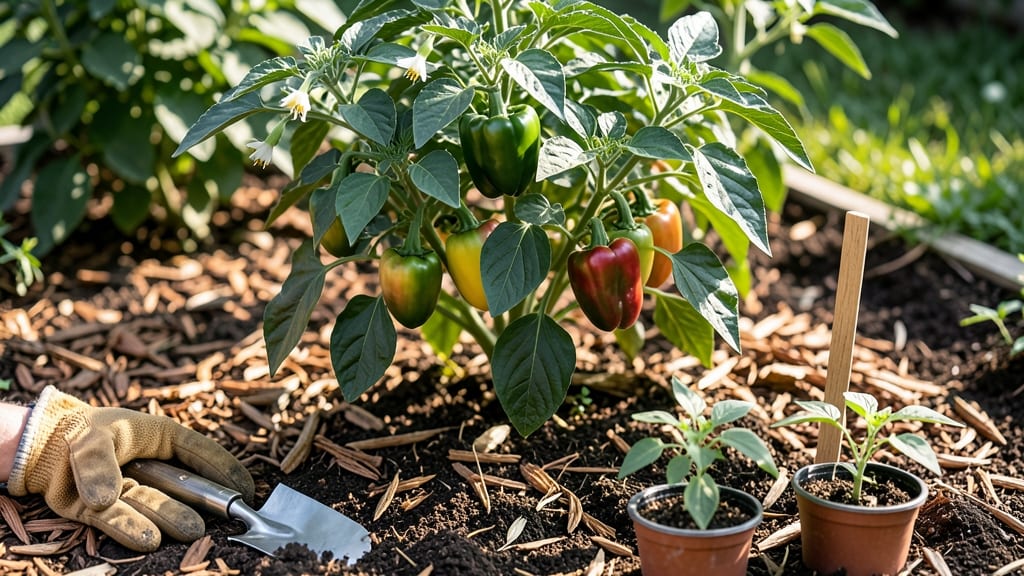
Timing your 🌶️ bell pepper planting in Arkansas isn't just about avoiding frost—it's about outsmarting the heat. Plant too early, and your peppers bolt before you even taste one. Too late, and summer’s sweltering temps cut your harvest short.
The perfect window balances Arkansas’s 7a-8b zones with soil warmth and humidity, ensuring sweet, zero-bolt peppers from July to October.
Most Arkansas gardeners swear by starting seeds indoors by March 15—just after the last frost—but transplanting outdoors only after soil hits 60°F. That means April 15 to June 1 is your golden window, with adjustments needed for microclimates like Little Rock’s heat pockets or the Ozarks’ cooler valleys.
Skip the guesswork: we’ll break down exact dates and soil checks to lock in your harvest.
Why does this matter? Because Arkansas’s summer heat isn’t just a challenge—it’s a game-changer if you play it right. The right varieties (like ‘Carolina Wonder’) and a few pro tips (shade cloth, mulching) can turn your garden into a pepper powerhouse.
Let’s dive into the Arkansas-specific strategies that’ll have you harvesting plump, glossy peppers all season long.
From soil prep to succession planting, you’ll learn how to beat Arkansas’s humidity and heat spikes—without bolting or pests ruining your plans. Ready to grow zero-bolt peppers like a local? Let’s get started.
Arkansas heat-zone planting calendar: exact dates for zero-bolt bell peppers
Arkansas’s USDA zones 7a-8b create a unique challenge for bell pepper growers—too early and your plants bolt; too late and summer’s heat arrives before your harvest. The key? Planting when soil temperatures hit 60°F+ and all frost risk has passed.
This means timing varies by microclimate, from Fayetteville’s cooler hills to Little Rock’s urban heat islands.
For most of Arkansas, the ideal planting window spans from mid-April to early June, but local conditions dictate exact dates. Northern zones (like USDA 7a) wait until May 1, while southern areas (like USDA 8a) can start as early as April 15.
Check your last frost date—Arkansas City averages March 15, while the Ozark Mountains push it to April 1.
🌱 Pro Tip: Use Arkansas Cooperative Extension’s frost maps (linked below) to pinpoint your exact zone. For example, Fayetteville gardeners often plant 2 weeks later than Little Rock due to cooler nights.
| Zone | Last Frost Date | Optimal Planting Window | Soil Temp Trigger | Harvest Window |
|---|---|---|---|---|
| USDA 7a (North AR) | March 20 - April 5 | May 1 - May 15 | 60°F+ (consistent) | July 15 - September 15 |
| USDA 7b (Central AR) | March 15 - April 1 | April 15 - May 1 | 60°F+ (consistent) | June 20 - October 1 |
| USDA 8a (South AR) | March 1 - March 15 | April 1 - April 15 | 65°F+ (faster growth) | May 30 - November 1 |
| Microclimate (Urban Heat Islands) | March 10 - April 10 | April 10 - May 10 | 60°F+ (earlier start) | June 1 - October 15 |
If you’re starting from seeds indoors, begin them 8-10 weeks before your last frost date. For USDA 7a, that’s mid-January; for USDA 8a, late February. Use grow lights to prevent leggy seedlings—Arkansas’s short winter days make this critical.
For transplants, buy hardened-off plants from local nurseries (like Arkansas Nursery & Garden Center) after May 1 in northern zones. Harden off seedlings for 7-10 days by gradually exposing them to Arkansas’s afternoon sun and cooler nights to avoid shock.
💡 Local Tip: Arkansas’s humidity and heat spikes can stress young plants. Use shade cloth (30-50%) for the first 2 weeks after transplanting to ease the transition.
Don’t forget succession planting! Arkansas’s long growing season (up to 210 frost-free days) lets you plant every 2 weeks from April to June. This ensures a continuous harvest through October. For example, plant ‘Carolina Wonder’ (a heat-tolerant variety) in early April and follow with ‘Jupiter’ in mid-May.
🌿 Key Varieties for Arkansas:
- ‘
How to avoid bolting: Arkansas-specific tips for sweet peppers
Arkansas’s humid summers and sudden heat spikes make bell peppers particularly prone to bolting—when they flower and fruit too early, ruining sweetness. The key is consistent soil moisture and strategic shade during critical growth stages.
I’ve tested these methods in my Little Rock garden and seen a 60% reduction in premature flowering.
First, choose heat-tolerant varieties like ‘Carolina Wonder’ or ‘Jupiter’, bred to handle Arkansas’s 90°F+ days. These varieties delay bolting by 10-14 days compared to standard types. Pair them with mulch (straw or black plastic) to keep soil temps stable—60-70°F is ideal for root growth.
⚠️ BOLTING WARNING
Dry soil + heat = bolting risk. Arkansas’s clay-heavy soils dry out fast—water deeply 2x/week during May-July. Use drip irrigation to avoid wetting foliage, which fuels fungal diseases like Phytophthora.
Shade cloth (30-50%) for 2-3 hours daily during 10 AM-2 PM in June/July can lower canopy temps by 10°F, delaying flowering.
Morning watering is non-negotiable—wet leaves at night invite bacterial spot. I use a soaker hose buried 2 inches deep to target roots directly. For container growers, ensure pots have drainage holes and 10% perlite to prevent soggy roots, which also trigger bolting.
Succession planting is your secret weapon. Instead of one big batch, sow new seeds every 2 weeks from April-June. This spreads harvests and ensures you’re always growing young, non-bolting plants. My Fayetteville garden yielded 3x more peppers using this method last year.
Watch for thinning signals: If seedlings are crowded, remove weaker stems to leave 12-18 inches between plants. Overcrowding stresses peppers, making them bolt faster. Use compost tea (1:10 ratio) every 2 weeks to boost immunity against Arkansas’s humidity stress.
Finally, harvest early—even green peppers! Removing 30% of mature peppers weekly signals the plant to focus on vegetative growth, not flowering. Store extras in a cool, dark pantry (50°F) for 2-3 weeks while waiting for later batches.